
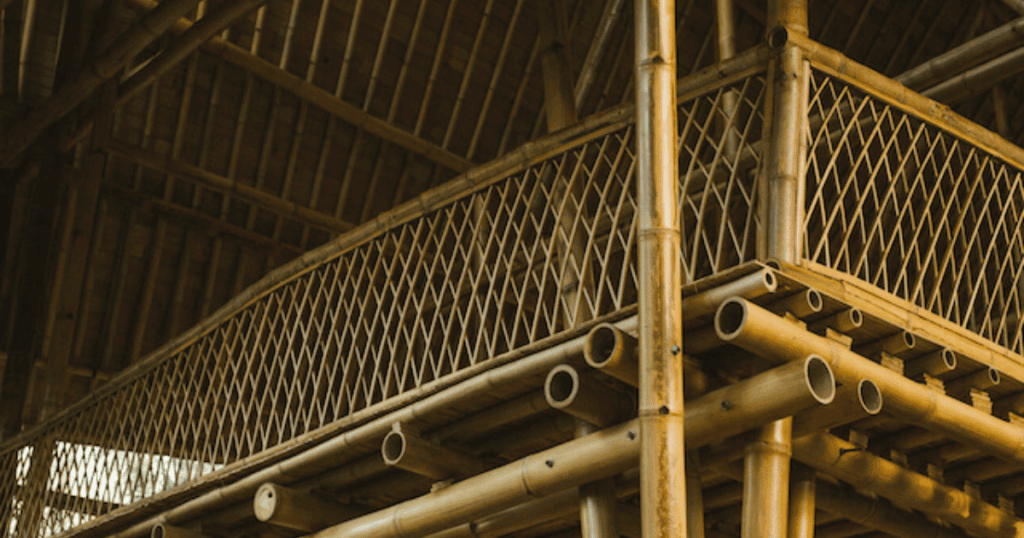
In the realm of construction Advantages of Bamboo in Earthquake, where safety and resilience are paramount, bamboo stands out as an under-rated yet formidable option. This versatile material has been employed for centuries in earthquake-prone areas and, with modern advancements, continues to demonstrate its earthquake-resistant capabilities. As we explore bamboo’s potential in construction, it becomes apparent that bamboo is not just a suitable material for post-disaster shelters but an excellent choice for permanent structures designed to withstand seismic events. Here, we delve into the anti-seismic properties of bamboo, the critical role of design, and global examples that attest to its efficacy.
Bamboo Structure: Anti-Seismic Properties
Strength-to-Weight Advantage
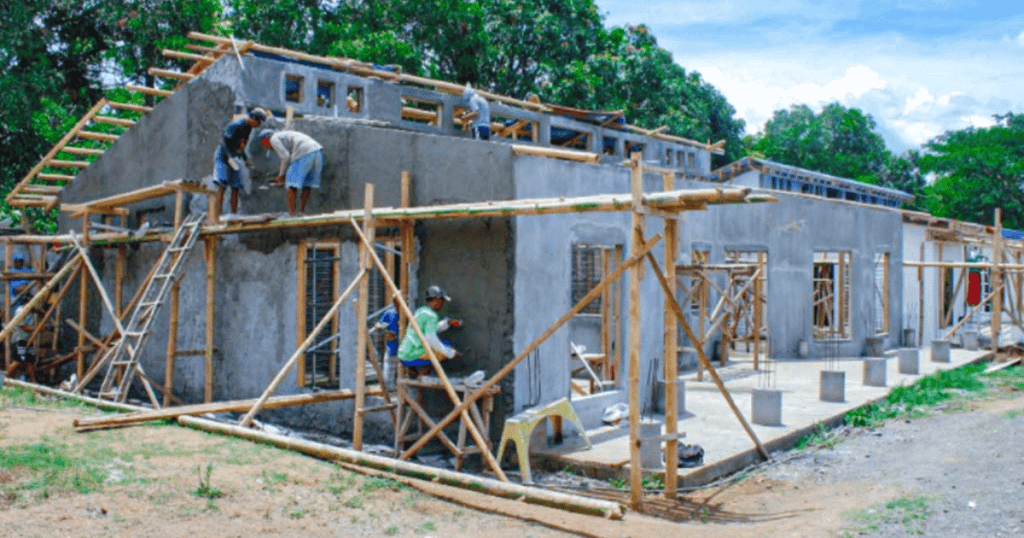
Bamboo boasts an impressive strength-to-weight ratio. During earthquakes, structures constructed with bamboo experience lower forces. In the unfortunate event of a collapse, the lightweight nature of bamboo reduces the risk to occupants, a crucial consideration in earthquake-prone regions.
Flexibility and Tensile Strength
Bamboo’s unique fibrous morphology, coupled with its tensile strength, makes it exceptionally resistant to lateral shocks during earthquakes. The material’s flexibility allows it to withstand and dissipate seismic forces effectively.
Dampening Vibrations
Bamboo’s bi-composition of lignin and vascular bundles plays a vital role in dampening vibrations. These constituents have distinct densities and frequencies, canceling each other out when vibrations pass through bamboo. This cancelation effect promotes structural stability.
Innovative Joinery Systems
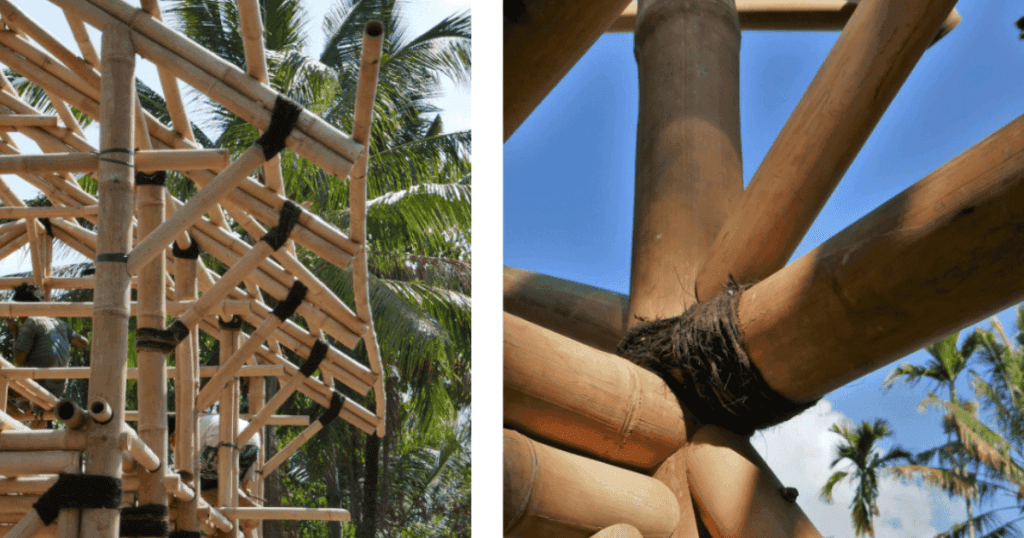
Various joinery systems, including nails, traditional carpentry connections, and ropes, can be engineered to absorb earthquake shocks and distribute forces uniformly within the structure. This approach ensures that different parts of the construction move in unison, enhancing overall stability.
Synergies with Other Materials
Combining bamboo with materials like mud, vegetable components, or daubs can further bolster the structure’s ability to absorb energy, reinforcing its earthquake resistance.
The Impact of Design on Building Safe Structures
In the world of construction, design plays a pivotal role in ensuring the safety of bamboo structures. Context-dependent considerations, such as local bamboo availability and labor skills, influence the design process. Several key design criteria contribute to earthquake-resistant bamboo structures:
Bracing for Earthquake Loads
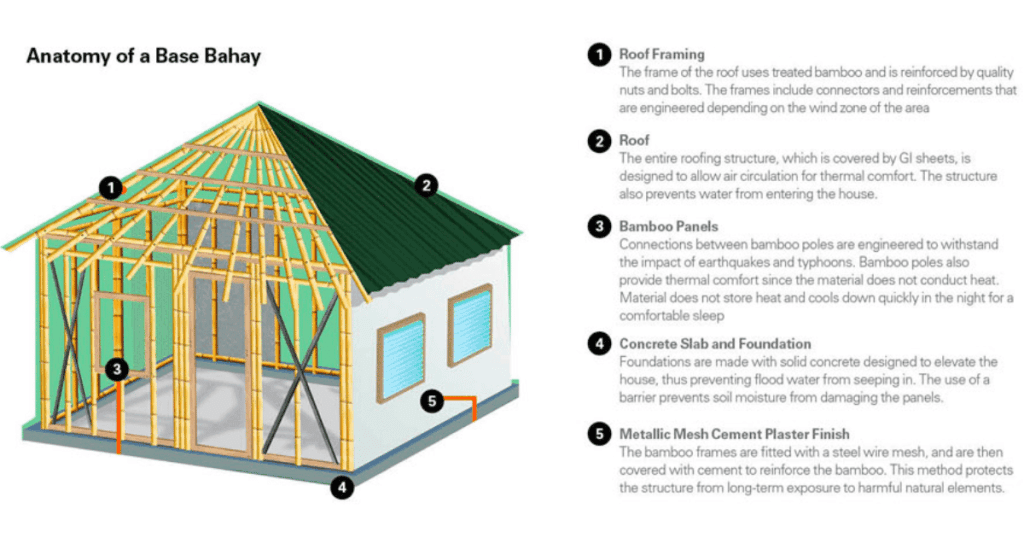
Implementing bracing systems like shear walls and moment frames helps bamboo structures resist earthquake forces. Ensuring proper selection and treatment of bamboo is crucial for structural safety.
Lightweight Roofing
To reduce the forces borne by the structure, it’s essential to maintain a lightweight roof. The structure’s form can also impact its earthquake resistance, making circular designs preferable in many cases.
Tried-and-Tested Joinery
Utilizing well-proven joinery methods effectively distributes loads and shocks within the structure, enhancing its overall earthquake resistance.
Considering the Context
The ideal design of earthquake-resistant bamboo structures takes into account all these criteria, uses high-quality bamboo, and considers the local context.
Successful Global Examples Advantages of Bamboo in Earthquake

Bamboo’s effectiveness in earthquake-prone regions is exemplified by successful cases worldwide. One such example is the use of “bahareque” in South America, a construction method that incorporates bamboo cladding, daubing with mud or cement, and clay tile roofs. This approach has proven resilient in the face of seismic events.
Luis Felipe Lopez, a facilitator at Bamboo U, has played a pivotal role in the development of earthquake-resistant bamboo houses in Colombia. His efforts, including the creation of the Colombian bahareque building code, have contributed to the widespread adoption of earthquake-safe bamboo housing, notably in the Philippines.
In India, the IPIRTI-TRADA system, featuring split bamboo grids tied together with steel wire and fixed onto steel dowels, has revolutionized earthquake-resistant construction. The system creates a unified, robust structure, reinforcing bamboo’s role in seismic safety.
The Future of Earthquake-Safe Bamboo Houses
As we explore the capabilities of bamboo in earthquake-resistant construction, it becomes evident that spreading knowledge about bamboo selection and treatment is of paramount importance. Building codes incorporating bamboo are on the rise globally, highlighting the material’s increasing recognition in construction.
In conclusion, bamboo is a safe and sustainable construction material for earthquake-prone areas. To support its use, it is imperative to disseminate knowledge and promote best practices in bamboo construction. With the right design, materials, and innovation, bamboo can continue to play a significant role in creating resilient and earthquake-safe structures.
Sources:
- Dezeen, Ramboll uses bamboo to build earthquake-resistant housing in Indonesia
- Better Bamboo Buildings, Sebastian Kaminski – Bamboo Buildings in Earthquakes
- INBAR, Bamboo – a Strategic Resource for Earthquake-Prone Regions
- IPIRTI, Seismic performance of Bamboo housing– an overview
- Jagadish Vengala and Raghunath Seshagiri Rao, Sustainable bamboo housing for the earthquake-prone areas