

Have you ever wondered, do insects really need a place to stay?
If you have a garden, you’ve probably seen wild bees, ladybugs, and beetles buzzing around. But today, many beneficial insects are losing their natural habitats—rotting wood, tree bark crevices, and dense grass that once served as their shelters are disappearing.
Bug hotels are often promoted as a solution to attract helpful insects, keeping your garden’s ecosystem balanced while providing natural pest control without chemicals.
Bamboo is widely used as a key material due to its durability and eco-friendliness. But not all bamboo is suitable. Choosing the wrong type can turn your bug hotel into a useless pile of rotting sticks instead of a thriving insect sanctuary.
So, which bamboo works best? And how do you make sure your bug hotel isn’t just decorative but actually functional? Let’s find out.
The Real Benefits Of A Bug Hotel In Your Garden
A bug hotel isn’t just a trendy gardening project—it’s a well-thought-out strategy to invite the right kind of insects into your space. Many gardeners spend time and money battling pests, unaware that nature has already provided a solution. When balanced correctly, an ecosystem regulates itself, and that’s exactly what a bug hotel can help achieve.
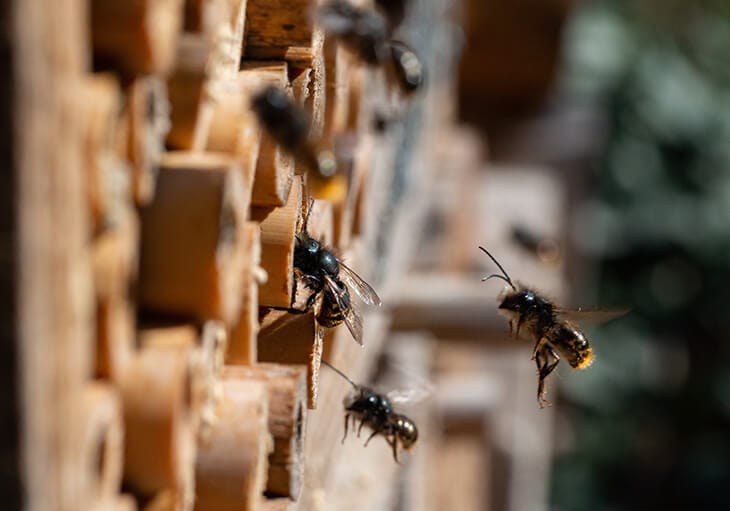
Some insects might be unwelcome guests, but not all bugs are harmful. In fact, many of them play a crucial role in maintaining a healthy garden by aiding pollination, controlling pest populations, and contributing to the natural decomposition of organic matter. Without them, plants struggle to thrive, pest infestations escalate, and the ecosystem loses its balance. A bug hotel offers these beneficial insects a dedicated habitat, ensuring they remain in the garden year after year.
Not All Bugs Are Pests – The Hidden Helpers In Your Garden
The idea that all insects damage plants is a misconception. While some species feed on leaves, stems, or roots, others work tirelessly to maintain the garden’s health. When given the right conditions, nature finds its own way to keep things in order. A well-placed bug hotel encourages this balance, helping beneficial insects settle in and thrive.
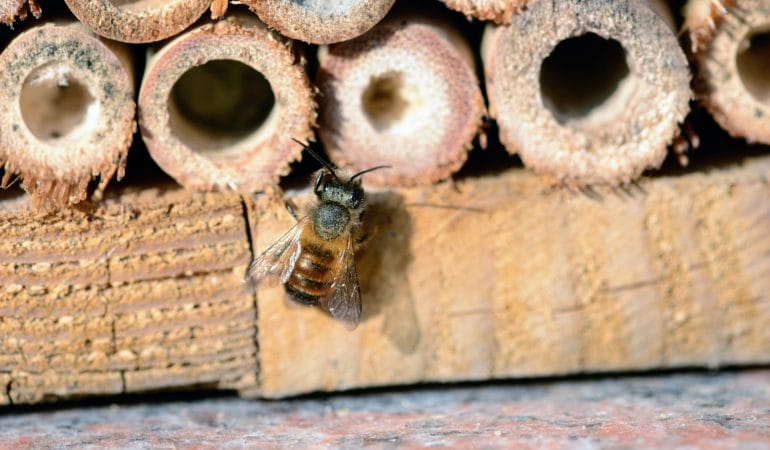
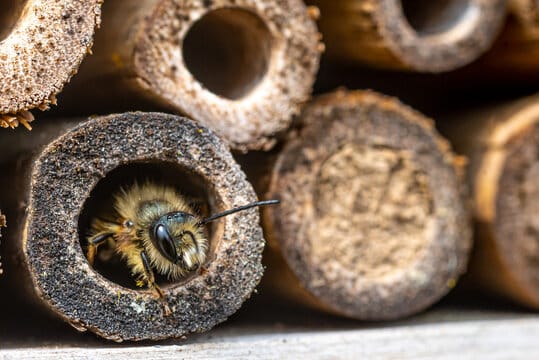
Among the most valuable residents of a bug hotel are wild bees, which excel at pollination. Unlike their hive-dwelling relatives, these solitary bees prefer to nest in small, hollow cavities. Their presence ensures flowers, fruits, and vegetables receive the pollination they need to flourish. Alongside them, ladybugs act as natural pest controllers, feeding on aphids and other soft-bodied insects that often devastate plants. These small but powerful predators can drastically reduce the need for chemical pesticides, offering an organic alternative to keeping crops healthy.
Ground beetles also find shelter in bug hotels, contributing to the ecosystem by preying on soil pests and breaking down decaying plant material. Their ability to consume slugs, snails, and harmful larvae makes them an invaluable part of the garden’s natural defense system. Even spiders, which many people instinctively dislike, provide a service by capturing flies, mosquitoes, and other nuisance insects. Despite their fearsome reputation, they rarely pose a threat to humans and play an essential role in controlling pest populations.
Which Insects Will Actually Use A Bug Hotel?
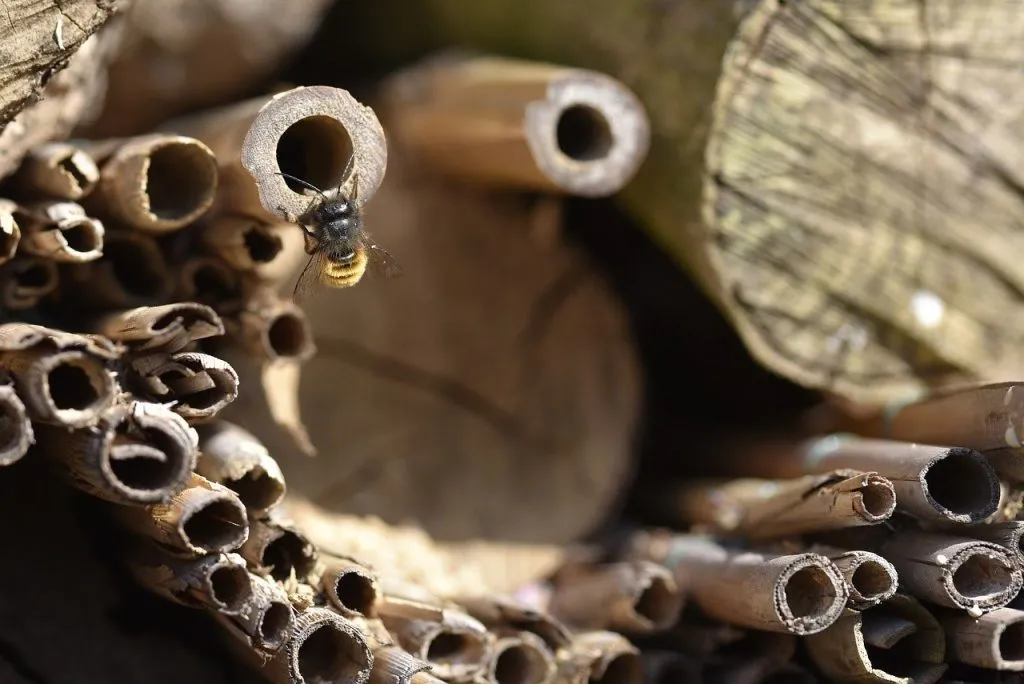
A bug hotel isn’t just a decorative feature; its design directly influences which insects will use it. Wild bees, for example, require hollow plant stems or small tunnels to lay their eggs. Without the right materials, they will look elsewhere. Bamboo tubes, when cut to the correct size and smoothed at the edges, provide the perfect nesting site. The more varied the tube diameters, the greater the diversity of species that will take residence.
Ladybugs prefer cool, dry spaces to overwinter, making a bug hotel a critical refuge during colder months. When positioned near plants prone to aphid infestations, their presence becomes an effective method of pest control. Ground beetles, on the other hand, seek out shaded, protected areas to hide during the day before emerging at night to hunt slugs and caterpillars. Their ability to control these destructive pests makes them a gardener’s ally, but without a suitable habitat, they may not remain in the area long-term.
Spiders, often overlooked in discussions about garden health, find a bug hotel appealing as well. Unlike web-building species, some spiders prefer enclosed spaces where they can wait for prey to pass by. Their role in controlling insect populations shouldn’t be underestimated, as they keep fly and mosquito numbers in check. Despite their intimidating appearance, they contribute significantly to a balanced garden ecosystem.
How A Bug Hotel Supports A Healthier, More Sustainable Garden
The impact of a bug hotel extends far beyond attracting insects. When strategically placed, it enhances the garden’s overall resilience. Increased pollination leads to better fruit and vegetable yields, while a stable population of predatory insects prevents pest outbreaks. By providing shelter for these beneficial species, a bug hotel reduces reliance on chemical treatments, creating a safer and more sustainable environment for plants, pets, and people alike.
A well-maintained bug hotel fosters biodiversity, which is essential for long-term soil health and plant stability. When different species coexist harmoniously, they regulate each other’s populations naturally. This self-sustaining cycle benefits the entire garden, making it more resistant to disease and environmental changes.
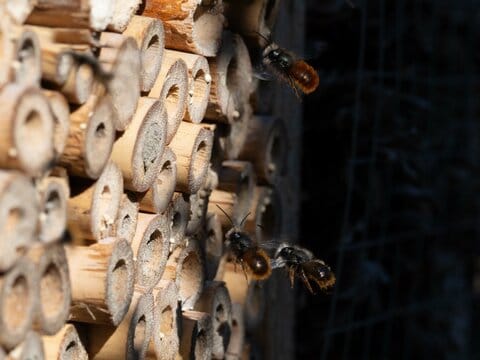
Introducing a bug hotel into a garden isn’t just about aesthetics—it’s about working with nature rather than against it. However, not all bug hotels are created equal, and using the wrong materials can do more harm than good. The next step in ensuring success lies in selecting the right bamboo, as not every type is suitable for long-term outdoor use.
Common Mistakes When Using Bamboo For A Bug Hotel
A bug hotel is only as effective as the materials it’s made from. While bamboo is widely considered one of the best options, not all bamboo is created equal. Many gardeners assume that simply stacking a few bamboo tubes together will instantly attract beneficial insects. The reality, however, is far more complex.
When the wrong type of bamboo is used, or when it’s installed incorrectly, a bug hotel can become completely ineffective—or worse, a breeding ground for mold, pests, and decay. Understanding these mistakes is key to ensuring that a bug hotel doesn’t just look good but actually functions as a long-term home for helpful insects.
Untreated Bamboo – The Hidden Threat Of Mold And Pests
One of the biggest mistakes when using bamboo in a bug hotel is assuming that it is naturally resistant to moisture. While bamboo does have excellent durability, untreated bamboo still contains a high amount of natural sugars, making it extremely susceptible to mold growth and insect infestations. When placed outdoors in a humid or rainy environment, bamboo absorbs moisture, and if it hasn’t been properly dried or treated, it quickly becomes a breeding ground for fungi and bacteria. Instead of offering a safe shelter for bees or ladybugs, it turns into a damp, decaying mass that repels beneficial insects and attracts harmful ones instead.
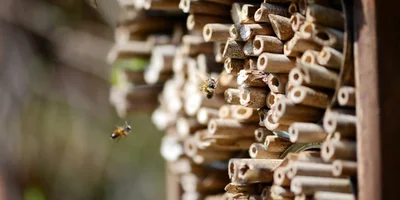
Another misconception is that bamboo will naturally withstand the elements. Many people assume that because bamboo is strong and flexible, it will last for years in a bug hotel without any additional processing. However, if it hasn’t been carbonized or kiln-dried, bamboo rots within a single rainy season, reducing the lifespan of the bug hotel dramatically. The deterioration not only makes it ineffective but can also spread mold spores to nearby plants and structures, creating additional problems in the garden.
To ensure that a bug hotel remains functional, bamboo must undergo proper heat treatment or carbonization. This process removes the natural sugars that attract mold and pests, making it far more resistant to moisture damage. Choosing carbonized bamboo significantly extends the lifespan of the bug hotel, preventing it from becoming a short-term decoration rather than a sustainable solution.
Wrong Bamboo Tube Sizes – A Bug Hotel That No One Uses
A bug hotel needs to be carefully designed to accommodate the specific species that will inhabit it. Simply cutting random bamboo tubes and stacking them together often results in a structure that looks good but is completely useless. The most common issue is choosing the wrong tube diameter, which determines whether insects will actually use the shelter or ignore it completely.
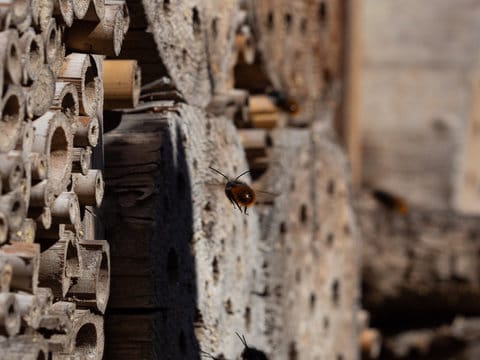
If the bamboo tubes are too large, beneficial insects like wild bees and ladybugs won’t recognize them as suitable nesting spaces. Solitary bees, which are among the most valuable pollinators, prefer small, enclosed tunnels to lay their eggs. If a bug hotel consists of bamboo tubes larger than 12mm in diameter, it becomes unsuitable for most pollinators. The structure might look inviting to humans, but to insects, it’s an open, unprotected space rather than a secure nesting site.
On the other hand, bamboo tubes that are too narrow present a different problem. Tubes smaller than 3mm in diameter can become clogged with debris, soil, or hardened resin, making them unusable over time. In some cases, insects that do enter might get stuck inside, turning what was supposed to be a safe retreat into a trap. The texture of the bamboo also plays a role—if the edges are rough or splintered, insects can injure their wings and legs when trying to enter or exit.
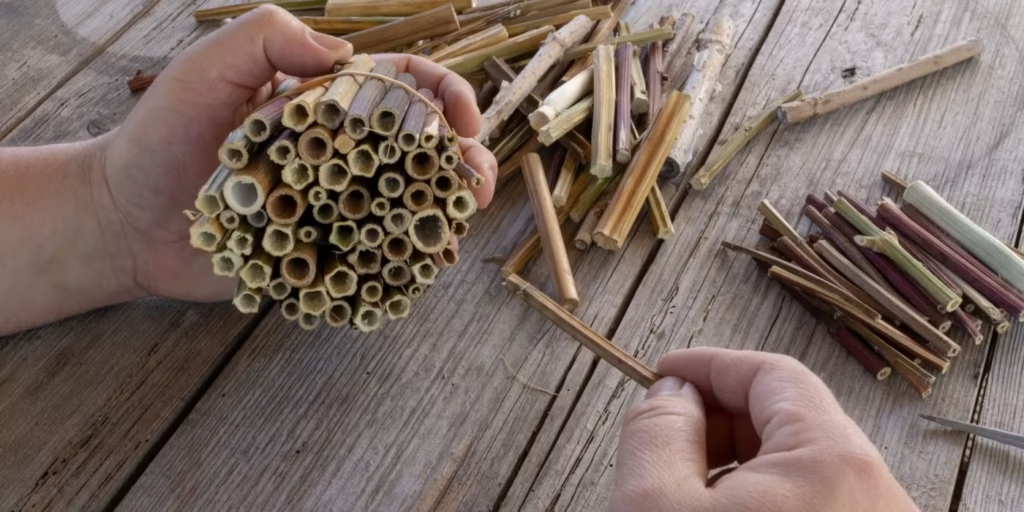
To avoid these issues, a bug hotel should use bamboo tubes ranging from 3mm to 12mm in diameter, ensuring that a variety of species can find a space suited to their needs. Additionally, the ends of each tube should be sanded smooth to prevent injury, making the structure truly inviting to insects rather than an obstacle.
Placing The Bug Hotel In The Wrong Location – The Best Bamboo Won’t Help If Insects Can’t Find It
Even when the bug hotel is built with properly treated bamboo and carefully selected tube sizes, its effectiveness still depends on where it is placed. The location of a bug hotel determines whether insects will actually use it, yet many people make critical mistakes when choosing where to install it.

One of the biggest errors is placing the bug hotel in a shady, damp location. While some insects prefer cool, moist environments, many of the species a bug hotel is designed for—such as wild bees and beetles—seek out warm, sunlit spaces. If the bug hotel is kept in constant shade, it becomes unappealing to these insects and may instead attract mold and moisture-loving pests.
Another common mistake is positioning the bug hotel too far from flowering plants and food sources. Insects won’t travel long distances just to find shelter—if the bug hotel is placed in a corner of the garden away from where they feed, it may sit empty. Without nearby nectar sources, wild bees won’t establish their nests, and without enough natural prey, ladybugs and ground beetles won’t stay to control pests.
Exposure to rain is another overlooked factor. Many bug hotels deteriorate quickly because they are placed in open areas without any protection from the elements. Bamboo, even when treated, can absorb excessive moisture if constantly exposed to rain. A bug hotel without a protective overhang or slanted roof will trap water inside the bamboo tubes, making them unusable and increasing the risk of rot.
To maximize effectiveness, a bug hotel should be installed in a sunny spot, facing southeast or south, where it receives morning sunlight but avoids extreme heat in the afternoon. Positioning it near flowering plants ensures that pollinators can easily access their food sources. Additionally, a simple roof or overhang protects the structure from excess moisture, keeping the bamboo tubes dry and functional for years.
The Difference Between A Functional Bug Hotel And A Useless Decoration
A bug hotel that fails to attract beneficial insects isn’t just a waste of time—it’s a missed opportunity to create a thriving garden ecosystem. Many DIY bug hotels look appealing but don’t actually serve their intended purpose. The wrong type of bamboo, incorrect tube sizes, and poor placement are the three most common reasons why a bug hotel remains empty or deteriorates too quickly.
With the right preparation, however, bamboo can be the perfect material for building a long-lasting, functional bug hotel. Understanding these mistakes allows gardeners to make smarter choices, ensuring that their bug shelters don’t just exist as decorative structures but actively contribute to the health of their gardens.
The key to success lies in choosing bamboo that has been properly treated, ensuring the right tube sizes, and installing the hotel in a location where beneficial insects will actually use it. When all these elements come together, a bug hotel becomes more than just an ornament—it becomes an essential part of a well-balanced, self-sustaining ecosystem.
Choosing The Right Vietnamese Bamboo For A Bug Hotel
Not all bamboo is suitable for building a bug hotel. Some types are too soft and rot easily, while others are too thick and dense, making them unsuitable for the small tunnels that insects prefer. The right choice depends on durability, insect preference, and resistance to weather conditions.
In Vietnam, different bamboo varieties have unique structural properties, lifespans, and resistance to moisture. Selecting the right type is essential to ensure that a bug hotel remains functional for years rather than becoming a short-lived decoration. A poor choice can result in bamboo that cracks, molds, or is simply ignored by insects.
Lo O Bamboo – Large Structure, Suitable For Bigger Insects
With its thick walls and wide diameter, Lo O bamboo is one of the largest bamboo species available in Vietnam. Its tubes can measure 5 to 10 cm across, providing a solid structure that can withstand prolonged exposure to sun and rain. Many assume that a bug hotel with larger bamboo is automatically more inviting to insects, but in reality, the size of the tunnels must match the nesting preferences of each species.
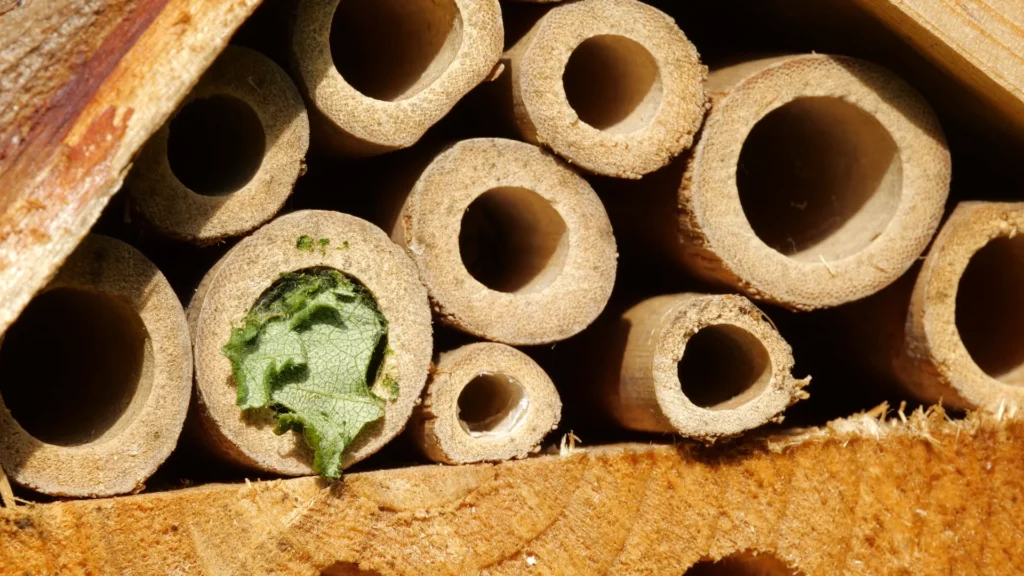
This type of bamboo is best suited for larger insects like carpenter bees or mature ladybugs, but it fails to attract smaller species such as solitary bees, which prefer narrower spaces for their nests. If a bug hotel is made exclusively from Lo O bamboo, it will likely remain underutilized because most beneficial insects will not find the tube size suitable.
While it may not be ideal for the nesting compartments, Lo O bamboo can still serve an important role. Due to its durability, it works well as a structural frame for a bug hotel, ensuring that the entire system remains stable. However, relying solely on this type of bamboo is a mistake, as it limits the diversity of insects that will take residence.
Tam Vong Bamboo – The Best Choice For A Functional Bug Hotel
Among all Vietnamese bamboo species, Tam Vong stands out as the best choice for a bug hotel. With a moderate diameter between 2 to 5 cm, it is naturally well-suited for solitary bees, ladybugs, and beetles—the key species that benefit gardens the most. Its thicker walls provide excellent durability, making it more resistant to weather conditions than thinner varieties like Giang bamboo.
Tam Vong bamboo has a natural resistance to termites and decay, but like all bamboo used in a bug hotel, it must be properly treated before use. If left untreated, it can crack along the length of the tube, especially under prolonged sun exposure. Once cracks form, it loses its ability to protect insects, making it uninhabitable over time. To prevent this issue, Tam Vong should be carbonized or kiln-dried before being placed in a bug hotel.
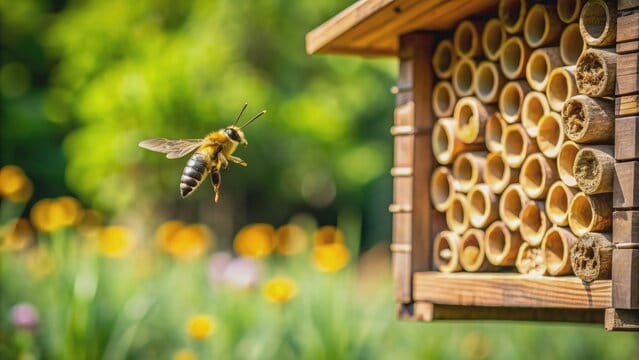
When properly cut into segments and arranged in clusters, Tam Vong bamboo creates a diverse environment that attracts multiple insect species. Unlike Lo O bamboo, which has too much open space, the compact size of Tam Vong’s hollow structure mimics the natural cavities insects seek out for shelter. This is why it is the preferred choice for most well-designed bug hotels.
Wondering how durable bamboo really is? Find out how long bamboo stakes last in different environments.
Giang Bamboo – Small And Ideal For Tiny Insects
For those wanting to attract smaller insects, Giang bamboo is a suitable addition to a bug hotel. With its thin walls and smaller diameter, it is one of the best choices for wild bees that require compact nesting spaces. The lightweight structure of Giang bamboo makes it easy to work with, allowing bug hotels to incorporate multiple sizes and configurations to attract a wider range of insects.
However, Giang bamboo has a shorter lifespan than other types. Because of its thinner walls, it is more prone to absorbing moisture, which can lead to mold and decay if not placed under proper conditions. When exposed to frequent rain, Giang bamboo can warp or split, significantly reducing its effectiveness.
The best way to use Giang bamboo in a bug hotel is by placing it in a sheltered section, preferably under a roofed area or within the inner compartments of the structure. This protects it from direct rain exposure while still allowing insects to take advantage of its ideal nesting size.
Mo Bamboo – Durable But Not Ideal For Insect Nesting
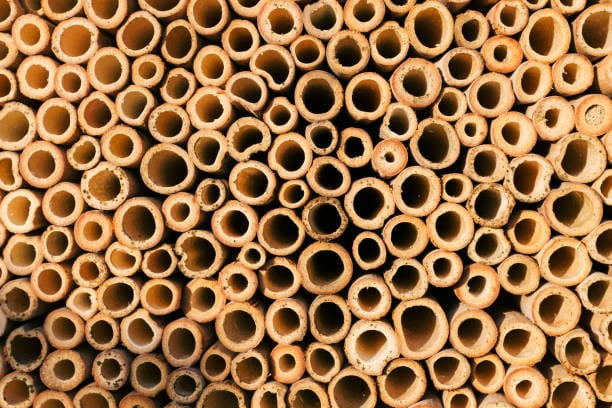
Known for its thicker walls and high durability, Mo bamboo is another option that can last for years without deteriorating. Unlike Giang bamboo, which is susceptible to moisture damage, Mo bamboo performs better in wet environments when treated correctly.
However, the major drawback of Mo bamboo is that its walls are too thick to be an ideal nesting space for insects. The lack of hollow space makes it less attractive to species like wild bees, which require tunnels to build their nests. This means that while it can contribute to the overall structure of a bug hotel, it does not directly support insect populations in the same way that Tam Vong or Giang bamboo does.
One way to incorporate Mo bamboo effectively is by combining it with more suitable types. By using Mo bamboo as a structural component and adding Tam Vong or Giang bamboo for nesting areas, a bug hotel can balance both durability and functionality.
Which Bamboo Works Best For A Bug Hotel?
Selecting the right bamboo for a bug hotel is not just about choosing the strongest or most durable variety. The diameter, structure, and placement all determine whether insects will actually use it. While some types of bamboo last longer, they may not be suitable nesting materials, and others, despite being ideal for insects, require careful weather protection to remain effective.

For the best results, a bug hotel should primarily use Tam Vong bamboo, as it offers the perfect balance of durability and insect compatibility. It should be carbonized or kiln-dried to prevent cracking and arranged in a way that maximizes nesting opportunities. Adding Giang bamboo as a secondary material increases biodiversity, while Lo O or Mo bamboo can serve as structural reinforcements.
A bug hotel isn’t just about stacking bamboo together—it’s about understanding the needs of the insects and choosing materials that encourage them to stay. By selecting the right combination, a bug hotel can become a long-lasting, self-sustaining ecosystem rather than just another garden ornament.
How To Maintain A Bamboo Bug Hotel For Long-Term Use
A bug hotel isn’t something you build once and forget about. If left unattended, even the best-designed structure can turn into a damp, moldy mess that repels insects rather than attracting them. Bamboo, while durable, is still an organic material, meaning it will eventually weather, crack, or become home to the wrong kinds of pests if not properly maintained.
But with the right care, a bamboo bug hotel can last for years, providing a safe, functional habitat for beneficial insects. It all comes down to preparing the bamboo properly, setting it up in the right location, and knowing when it’s time for a refresh.
Bamboo Preparation – Why It’s The Make-or-Break Factor
The biggest mistake people make when building a bug hotel is assuming that bamboo is naturally weatherproof. It’s not. Freshly cut bamboo contains sugars and starches that attract mold, fungi, and even unwanted insects. If it’s used without proper treatment, it can start rotting within months, turning your carefully crafted bug hotel into a waste of time and materials.
This is why heat treatment is essential. Bamboo used in a bug hotel should be carbonized or kiln-dried, which removes the organic compounds that cause decay and makes the bamboo far more resistant to moisture and pests. Without this step, even the sturdiest-looking bamboo will eventually blacken, soften, or develop a fuzzy layer of mold, especially in humid environments.
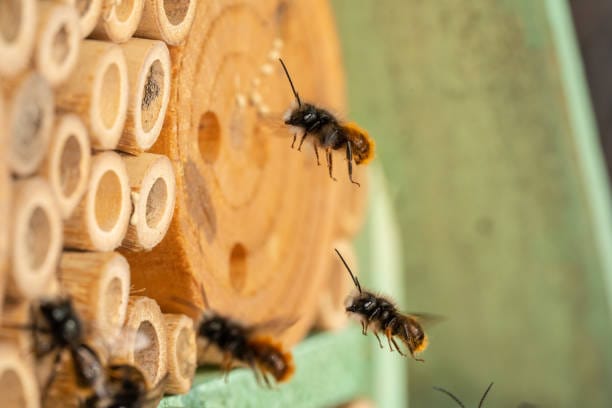
Smoothing the ends of bamboo tubes is another step that’s often overlooked. Rough, splintered edges can injure delicate insect wings and legs, making the space uninviting to the very creatures it’s meant to attract. A quick sanding to remove sharp edges ensures that wild bees, ladybugs, and other beneficial insects can comfortably crawl in and out.

Placement Matters – Why The Right Spot Can Make Or Break A Bug Hotel
Even perfectly prepared bamboo won’t last long if a bug hotel is placed in the wrong location. The biggest enemy? Moisture. If bamboo sits directly on the ground or gets hit with heavy rain, it will absorb water like a sponge, speeding up the rotting process.
Raising the bug hotel off the ground is a simple fix. Keeping it at least 20 cm above soil level prevents it from soaking up ground moisture and keeps unwanted pests, like ants and woodlice, from taking over. Elevating it also improves air circulation, which helps bamboo dry out faster after rain.
A bug hotel also needs some level of protection from rain. While insects don’t mind a little moisture, constant dampness can turn bamboo into a moldy disaster. A small roof or overhang helps deflect heavy rain while still allowing enough airflow to keep things dry.

And let’s not forget sunlight. Wild bees and ladybugs prefer warm spots with morning sun, so placing a bug hotel in deep shade might leave it completely empty. At the same time, too much exposure to the afternoon sun can dry out bamboo too quickly, causing cracks. The sweet spot? An area that gets gentle morning sun but isn’t baking hot all day.
Knowing When It’s Time To Replace Bamboo
Even with the best preparation and placement, bamboo doesn’t last forever. Over time, weather exposure, insect activity, and natural wear and tear will take their toll. If left unchecked, old bamboo can become a breeding ground for mold, mites, and even harmful pests that make the bug hotel unusable.
Signs that bamboo needs replacing are usually easy to spot. If the tubes are turning black, feel soft, or smell musty, they’ve absorbed too much moisture and are starting to rot. Mold isn’t just bad for bamboo—it also repels beneficial insects, so any discolored or fuzzy-looking tubes should be swapped out immediately.
Cracks and splits are another red flag. While a few surface cracks are normal, deep splits make bamboo less stable and more prone to collapsing. Worse, sharp edges from cracked bamboo can injure insects trying to crawl inside, making it unusable.
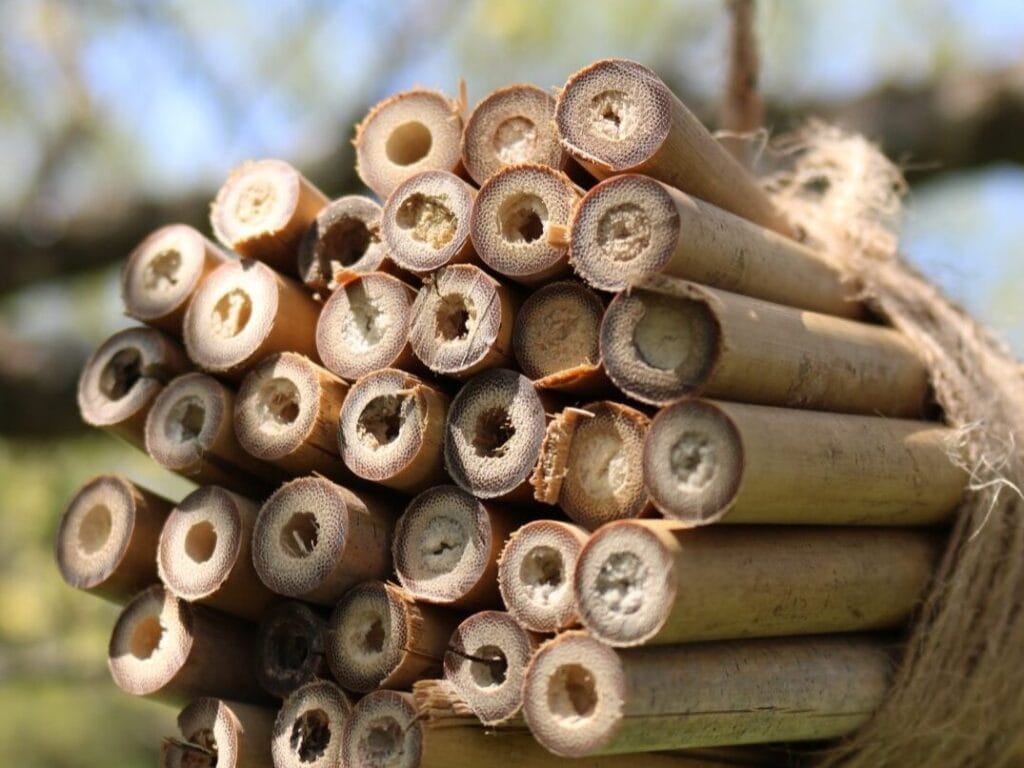
Routine maintenance is key to keeping a bug hotel effective. A quick inspection every six months helps catch problems early. Any bamboo that looks too dark, too soft, or too damaged should be replaced before it starts affecting the rest of the structure.
A Well-Maintained Bug Hotel Means A Thriving Garden
A bug hotel isn’t just a decorative piece—it’s part of a bigger ecosystem. When maintained properly, it supports pollinators, natural pest controllers, and decomposers, keeping the garden healthy without the need for chemicals. But when neglected, it quickly becomes ineffective, or worse, a source of mold and pests rather than a haven for beneficial insects.
The key takeaway? A bamboo bug hotel isn’t just something you build and forget about. With the right preparation, the right placement, and a little routine maintenance, it can remain functional for years, playing a crucial role in a balanced, self-sustaining garden.
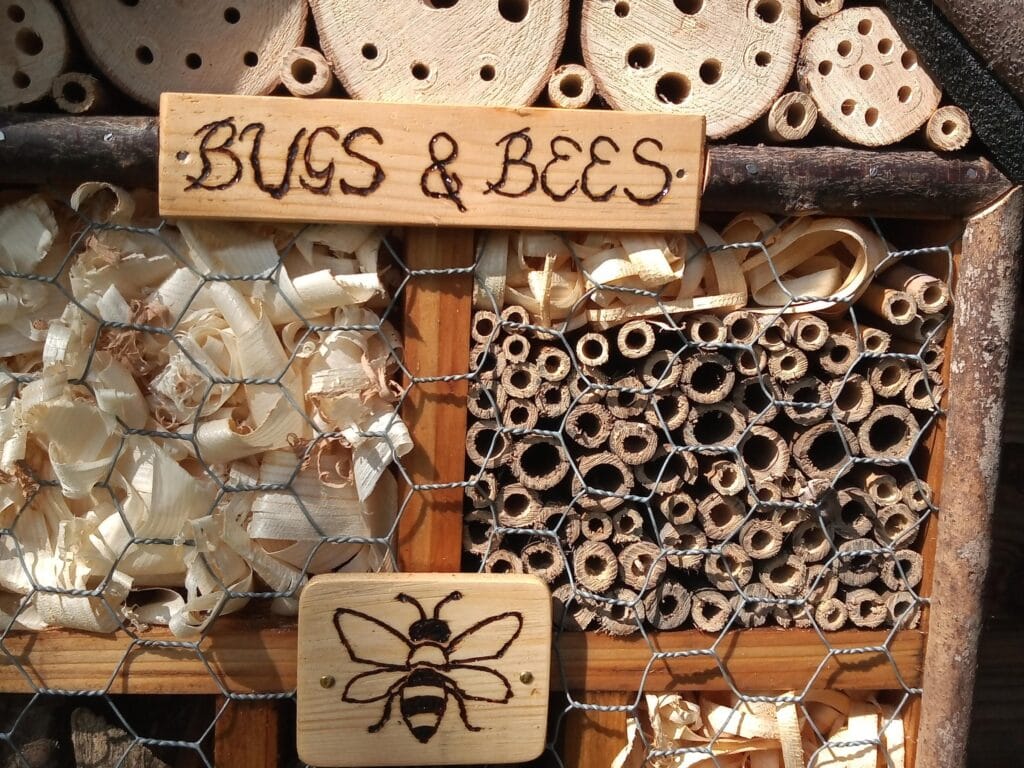
Looking to upgrade your outdoor space? Check out these eco-friendly landscaping ideas to complement your bug hotel.
Conclusion
And that’s it—everything you need to know to build a bug hotel that actually works!
A bamboo bug hotel isn’t just a fun garden project—it’s a way to invite pollinators, natural pest controllers, and other helpful insects into your space. But like anything, it all comes down to choosing the right materials. Pick the wrong bamboo, and your bug hotel might end up being nothing more than an outdoor ornament. Pick the right one, and you’ll have a thriving insect habitat that lasts for years.
At Bamboo Supplier, we make sure you get high-quality, properly treated bamboo that’s built to last. Whether you need Tam Vong for durability, Giang for smaller species, or Lo O for structural support, we’ve got you covered.
Thinking about setting up your own bamboo bug hotel? Let us know which insects have moved in—we’d love to hear how it’s working in your garden!
