
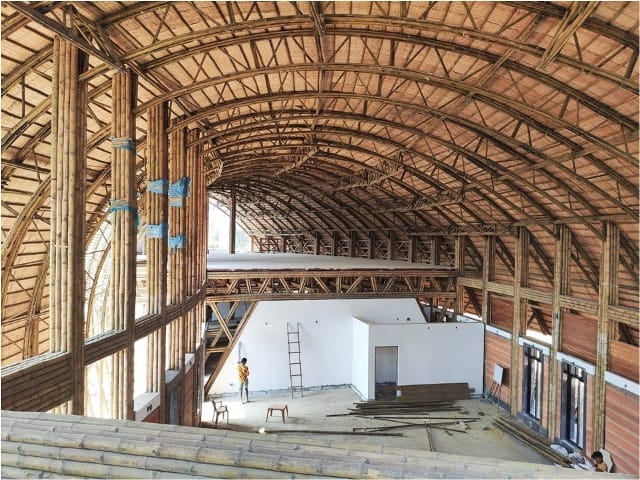
Bamboo, with its sustainable and versatile nature, has become a popular choice in construction worldwide. However, working with bamboo presents unique challenges that, if not addressed correctly, can lead to structural issues and reduced durability. This article explores the common mistakes in bamboo construction and provides insights into avoiding them for safer, longer-lasting bamboo structures.
A Detailed Analysis of Common Mistakes and Solutions
Mistakes in Material Selection and Treatment
In bamboo construction, selecting the right material and treating it properly are critical steps to ensure the longevity and stability of the structure. When these two processes are mishandled, bamboo construction mistakes often occur, resulting in significant issues such as structural weakness, pest infestation, and premature degradation. These bamboo construction mistakes can undermine the entire project, leading to costly repairs and safety risks. Let’s explore these mistakes in greater detail and understand how to avoid them.
Choosing the Wrong Type of Bamboo
One of the most common bamboo construction mistakes arises from choosing an inappropriate type of bamboo for the specific needs of a building project. Bamboo, a highly versatile material, comes in various species, each with unique characteristics such as density, diameter, and flexibility. Each species is suited for different applications, and selecting the wrong one can compromise the integrity of the structure.
For example, Phyllostachys edulis (Moso bamboo) is well-known for its high strength and density, making it ideal for load-bearing construction. However, using bamboo varieties such as Bambusa vulgaris, which is more flexible and not as strong, could lead to structural instability. Similarly, bamboo harvested too early, when it has not reached full maturity, may not have the necessary hardness and durability to withstand heavy loads or harsh environmental conditions.
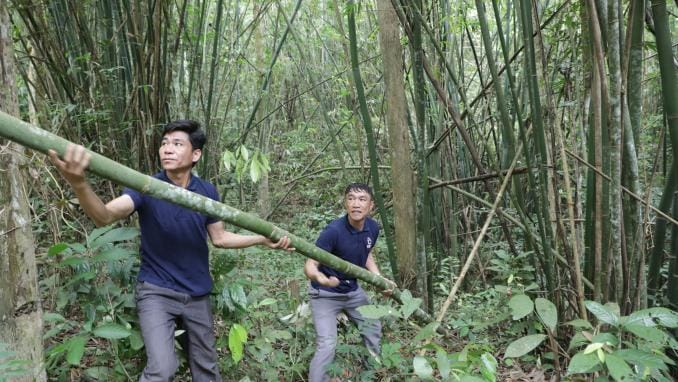
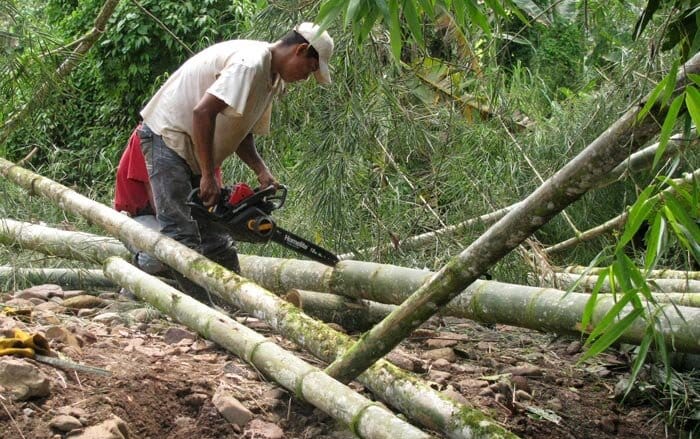
When selecting bamboo for construction, it’s essential to consider several key factors to avoid bamboo construction mistakes. The age of the bamboo is one of the most important elements; it should be harvested when it reaches full maturity, typically between three and five years, to ensure its strength. The diameter of the bamboo should be consistent, as bamboo with irregular thickness can weaken the structure.
Additionally, bamboo should be free of bends or kinks, as these imperfections can affect its ability to bear weight and make it more prone to damage over time. Bamboo that is too young may not have the necessary stiffness and resistance to bending, while bamboo that is too old may become brittle and crack under pressure. Properly selecting bamboo based on these attributes will ensure the material performs as needed throughout the lifespan of the construction.
Failing to Properly Treat Bamboo
Another prevalent mistake in bamboo construction is neglecting to treat the bamboo before use. Bamboo, being a natural material, is highly susceptible to pests, such as termites, and fungal growth, which can severely degrade its quality and shorten its lifespan. When bamboo is used without treatment, it retains natural sugars and starches that attract these harmful organisms, leading to damage that can be difficult to repair. Without proper treatment, bamboo is also more vulnerable to moisture absorption, which can lead to rotting and weakening of the material.
To prevent these bamboo construction mistakes, bamboo must undergo various preservation methods before it is incorporated into any construction project. The first step is to remove the sugars and starches from the bamboo, which serve as food for termites and fungi. One effective way to achieve this is by soaking the bamboo in water for an extended period, anywhere from several weeks to a few months, depending on the species. This process not only removes the sugars but also helps to reduce the bamboo’s moisture content, making it less prone to mold and mildew growth. However, it is essential to properly dry the bamboo after soaking to prevent it from absorbing excess moisture, which could lead to decay.
Another treatment method commonly used is smoking. Bamboo smoking is a traditional technique that involves exposing the bamboo to smoke in a controlled environment, which kills pests and removes moisture from the material. The smoke also has antimicrobial properties that make bamboo more resistant to fungi and bacteria. Smoking bamboo enhances its durability and ensures that it is better suited for use in construction, especially in environments that are prone to moisture.
For those looking to use bamboo in construction on a larger scale, chemical treatment can be a practical solution. Bamboo can be treated with eco-friendly preservatives such as Borax, which helps to prevent both insect infestation and mold growth. Borax is non-toxic to humans and animals when applied properly, making it a safe option for treating bamboo in construction. However, it’s crucial to ensure that the chemicals are applied in the correct proportions to avoid compromising the material’s structural integrity. While chemical treatments can be effective, they should always be used in conjunction with other preservation methods like soaking and smoking for maximum durability.
By properly treating bamboo before construction, the material becomes much more resilient, durable, and resistant to the environmental challenges it will face throughout the life of the structure. Failing to treat bamboo correctly is one of the most frequent bamboo construction mistakes and can lead to significant long-term issues, such as pest infestations and material decay, that are costly to repair. These bamboo construction mistakes can affect the safety, longevity, and sustainability of the bamboo structure, making the proper treatment process essential for a successful construction project.
Design and Construction Mistakes in Bamboo Buildings
Misalignment of Design with Bamboo’s Characteristics
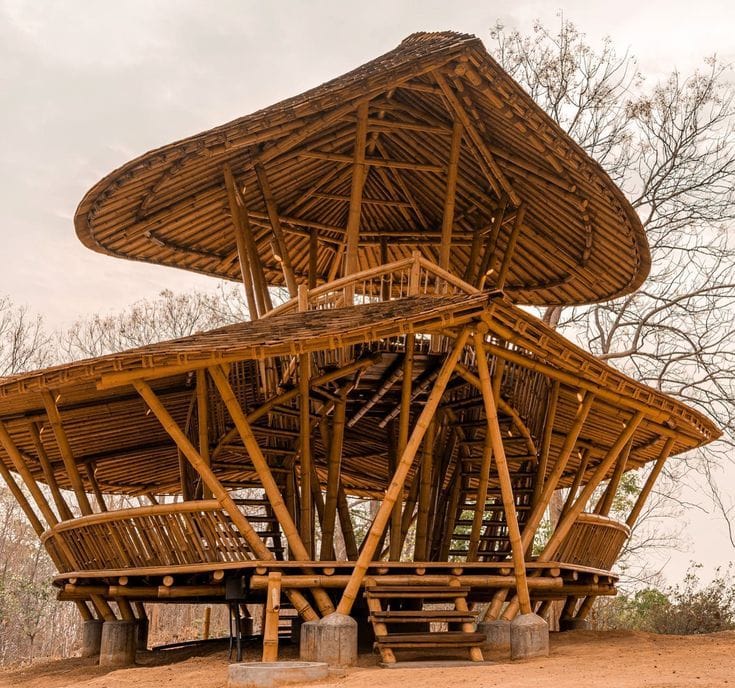
A frequent issue in bamboo construction arises when the design does not adequately consider the material’s inherent properties. Bamboo, while strong and sustainable, is highly flexible and elastic, and these characteristics require specialized design considerations. Unlike more rigid materials like steel or concrete, bamboo can bend and stretch under pressure. When this flexibility is not factored into the design, the structure can face long-term issues such as sagging, warping, or even collapse in severe cases. This is one of the most critical bamboo construction mistakes that can undermine the entire project.
The fundamental issue here is that bamboo’s elasticity, combined with its natural growth patterns, requires careful planning to ensure the structure can withstand both dynamic and static loads. Bamboo, being a living material, tends to shrink and swell based on environmental conditions such as humidity and temperature. If the design does not account for these natural fluctuations, the structure may be subjected to unnecessary stress, leading to distortion. Failing to consider these elements is another key bamboo construction mistakes that can compromise structural integrity.
The solution lies in the design phase, where key principles must be followed to adapt the structure to bamboo’s properties. One of the first considerations is load distribution. Bamboo’s strength is not uniform across its entire length, so the design must ensure that the weight is spread evenly across the structure to prevent overstretching at any single point. For example, in large bamboo beams, it is essential to place the load at specific points where the bamboo can naturally bear weight, rather than evenly across the beam.
Additionally, the design should include provisions for movement and expansion, such as leaving gaps or using flexible connections that can absorb changes in size without compromising the stability of the overall structure. Ignoring these factors could lead to another of the most common bamboo construction mistakes.
A crucial aspect is also ensuring proper moisture control in the design. Bamboo, being highly susceptible to rot and decay when exposed to water, requires designs that shield it from excessive moisture. This can be achieved by incorporating raised foundations, protective coatings, or overhangs to prevent direct exposure to rain or water from the ground. Failure to protect bamboo from water damage is a critical bamboo construction mistakes that should be avoided.
Another aspect of the design process that can significantly benefit bamboo construction is the use of specialized design software. Such software can simulate how bamboo will react under various stressors, allowing for more precise calculations that traditional design methods may overlook. These tools can account for factors such as the bamboo’s natural elasticity, variations in humidity, and specific load-bearing capacities, ensuring a safer, more reliable construction plan. By using these tools, designers can avoid common bamboo construction mistakes related to load-bearing capacity or dimensional stability.
Inadequate Construction Techniques
Even with the most well-thought-out design, mistakes during construction can undermine the entire project. The second common bamboo construction involves improper execution during the assembly phase, particularly with the joints and connections. Bamboo, unlike conventional building materials, requires specific techniques for joining its components together. Using incorrect joinery or failing to properly secure connections can lead to weak points in the structure, where stress can accumulate and ultimately cause failure.
The first challenge here is understanding the intricacies of bamboo joints. Bamboo is naturally cylindrical and hollow, making its connection points quite different from traditional timber. A poorly executed joint could cause the bamboo to crack or splinter, and these weak points could compromise the integrity of the entire structure. For instance, a poorly executed dowel joint, where two pieces of bamboo are joined with a wooden dowel, could cause the bamboo to split along the grain, leading to a failure in the connection.
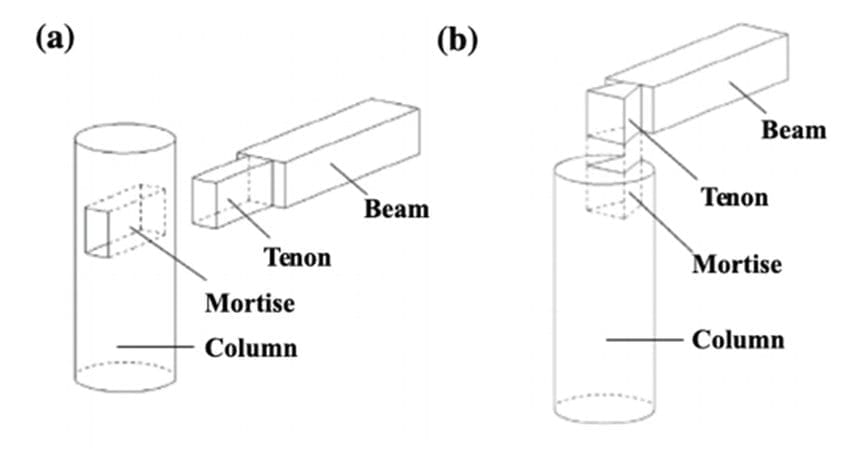
Similarly, in more complex joints like the tenon and mortise, the bamboo must be carefully shaped and fitted to ensure a secure hold. These improperly executed connections can lead to significant structural issues, making them a key bamboo construction mistakes.
To prevent such issues, it is crucial to follow specific techniques for bamboo joinery. The dowel joint, for example, requires careful measurement and alignment, ensuring the dowel is the correct size and that the bamboo pieces fit snugly together. Similarly, tenon and mortise joints, which are commonly used in larger bamboo structures, require precision in shaping both the tenon (the protruding piece of bamboo) and the mortise (the corresponding hole in the other bamboo piece). These joints must fit together securely without the need for excessive force, which could crack the bamboo. Overlooking these technical details would be another significant bamboo construction mistakes.
Additionally, the process of protecting the joints from environmental factors such as moisture cannot be overlooked. Bamboo is particularly vulnerable to water damage, and when joints are exposed to moisture, they can deteriorate more quickly. To protect against this, construction should involve the application of protective coatings or sealants that prevent water from penetrating the bamboo. These coatings not only safeguard the bamboo but also help prevent the growth of fungi, which can contribute to structural weakening over time. Using a water-resistant varnish or applying a natural oil like tung oil to the joints can significantly enhance their durability.
Moreover, bamboo construction techniques should prioritize the long-term durability of the structure. This involves not only focusing on the initial strength of the connections but also ensuring that the structure remains stable throughout its life. This can include periodic maintenance checks, especially in areas where joints are most susceptible to wear and tear. Over time, bamboo can expand or contract due to changes in humidity, so ensuring that joints allow for slight movement is critical in preventing breakage or deformation.
Ultimately, a construction that disregards these essential details—whether in joint design or the protective measures for bamboo—will likely face premature failure. Properly executed construction techniques, combined with a thoughtful design that respects the unique properties of bamboo, are essential to the success and longevity of bamboo-based buildings. These practices not only extend the lifespan of the structure but also ensure it remains functional, aesthetically pleasing, and structurally sound for years to come.
Read our article to learn about 4 bamboo construction systems: Bamboo System: Exploring 4 Key Structural Solutions
Mistakes in the Maintenance and Use of Bamboo Structures
Failure to Perform Regular Maintenance
A significant mistake that can lead to the deterioration of bamboo structures is the lack of regular maintenance. Bamboo, although strong and durable, is a natural material that requires periodic care to maintain its integrity over time. Without a maintenance plan, bamboo structures can suffer from various issues such as cracking, rotting, or weakening of joints, all of which can shorten the lifespan of the building. This is a common bamboo construction mistakes that can severely impact the performance and longevity of the structure.
The root cause of this problem often lies in the lack of foresight when planning the life cycle of a bamboo building. Unlike concrete or steel, bamboo is an organic material that can degrade due to environmental conditions such as moisture, temperature changes, and exposure to pests. When these factors are not addressed through consistent maintenance, the material starts to show signs of wear, ultimately affecting the safety and usability of the structure. These issues represent frequent bamboo construction mistakes that can lead to costly repairs if left unchecked.
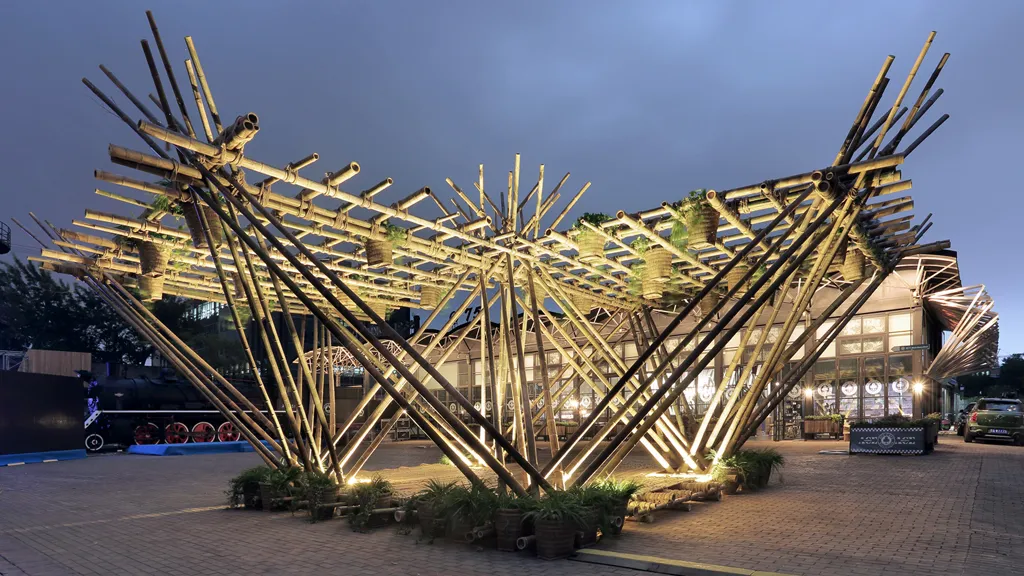
To avoid these bamboo construction mistakes, a detailed maintenance plan should be established right from the outset. This plan should include regular inspections of key structural elements like joints, beams, and supports. The first step is to establish a schedule for routine checks to identify early signs of wear or damage. These checks should focus on looking for any signs of cracking, swelling, or insect activity, as well as checking for any movement in the joints or structural elements. Failure to perform these checks regularly can contribute to common bamboo construction mistakes, such as delayed repairs and structural instability.
Equally important is the treatment of these issues as soon as they are detected. For example, if a crack is found in the bamboo, it should be repaired immediately to prevent further damage. For pest-related issues, such as termite or mold infestations, the bamboo should be treated with natural preservatives to kill the pests and prevent further degradation. Moreover, applying a fresh coat of protective varnish or sealant to the bamboo surface every few years will help preserve its durability and protect it from moisture. These actions help prevent the occurrence of bamboo construction mistakes related to neglecting necessary care.
Specific Maintenance Steps
When it comes to maintaining bamboo structures, there are several key steps that should be followed to ensure the building remains in good condition. First, all joints and connections should be inspected regularly for signs of wear or loosening. This is particularly important for bamboo structures that rely on traditional joinery techniques, as the joints are often the most vulnerable areas. If any connections are found to be weak, they should be reinforced or replaced to prevent further damage. Neglecting these joints is another common bamboo construction mistakes.
Secondly, the surface of the bamboo should be checked for any signs of cracking or splitting. Bamboo can dry out over time, leading to fissures or surface damage, particularly in areas exposed to direct sunlight or varying humidity levels. Applying a protective coating to the surface can help prevent these issues. In cases where cracks or splits are observed, they should be filled or repaired to prevent water from entering and further compromising the bamboo’s strength. Failing to address such problems quickly can result in long-term bamboo construction mistakes that weaken the structure.
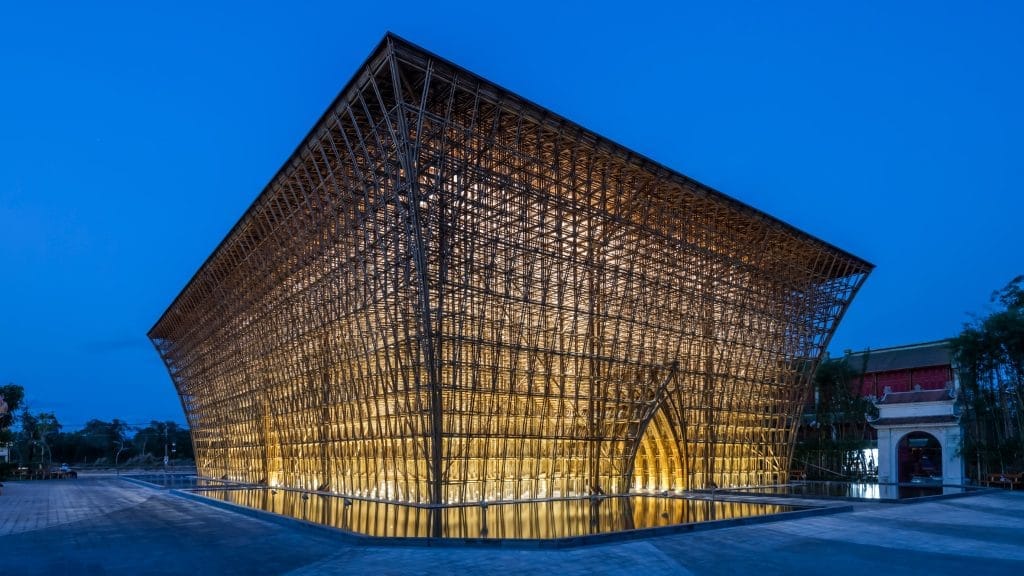
Lastly, regular treatment against pests such as termites or mold is essential. These pests can severely damage the bamboo structure if left untreated. Natural preservatives, such as borax or other eco-friendly treatments, should be applied to the bamboo at least once a year to keep pests at bay. This not only extends the life of the bamboo but also helps preserve the structure’s aesthetic appeal by preventing unsightly damage from mold or rot. Without this preventative treatment, bamboo construction mistakes related to pest damage could significantly compromise the building.
A proactive approach to maintenance is key in avoiding bamboo construction mistakes. By following a comprehensive maintenance routine, bamboo buildings can continue to perform well for many years, maintaining their structural integrity and functionality. Proper upkeep not only extends the life of the structure but also ensures that it remains safe and comfortable for its occupants.
In conclusion, ensuring regular maintenance and timely interventions is critical for bamboo structures. By setting a clear plan and executing it diligently, the risk of common bamboo construction mistakes, such as premature decay or weakening of joints, can be significantly minimized, ensuring the long-term success of bamboo construction projects.
Have a look at our product for your concern about finding a durable material for your project: Our bamboo.
Conclusion and Recommendations
In summary, bamboo construction mistakes can arise at various stages of a project, from material selection and design to the maintenance of bamboo structures. By understanding the common mistakes and implementing the solutions discussed earlier, builders and architects can ensure the durability and sustainability of bamboo constructions. Key bamboo construction mistakes to avoid include the improper selection of bamboo, failure to process bamboo correctly, and not adhering to proper construction techniques. Additionally, overlooking the importance of regular maintenance can significantly shorten the life of a bamboo structure. These are some of the most frequent bamboo construction mistakes that can undermine the structural integrity of the building if not addressed properly.
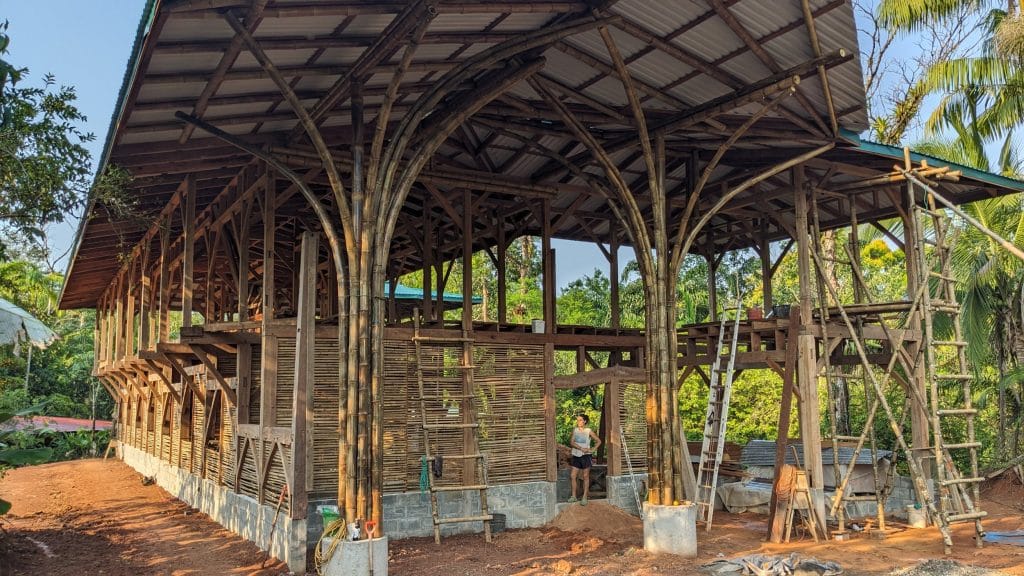
The importance of adhering to correct construction practices cannot be overstated. The meticulousness in every stage—from selecting the appropriate bamboo materials to employing precise construction techniques and committing to regular maintenance—directly influences the quality and longevity of the building. These practices ensure that bamboo construction mistakes are minimized, and the finished structure remains strong, safe, and aesthetically pleasing.
For those involved in bamboo construction, whether you are a builder, architect, or homeowner, it is highly recommended to partner with experienced professionals. Collaborating with a reputable contractor ensures that your bamboo project is executed with the proper care and precision required. Furthermore, continuously enhancing your knowledge about bamboo building techniques will equip you with the tools to avoid common bamboo construction mistakes and contribute to the advancement of sustainable construction practices.
In conclusion, the key to successful bamboo construction lies in thorough planning, attention to detail, and a commitment to following industry best practices. By avoiding the common bamboo construction mistakes outlined in this article and incorporating expert advice, you can achieve a structurally sound and enduring bamboo building that serves its intended purpose for years to come.
Tel: +84 338 286 268
Email: [email protected]
Facebook: Bamboo Supplier