

In recent years, bamboo design has emerged as a leading trend in sustainable construction. With its rapid growth, renewability, and remarkable strength, bamboo offers a unique alternative to traditional building materials like concrete, steel, and wood. As architects and developers look for eco-friendly solutions, bamboo design is quickly becoming a popular choice across residential, public, and infrastructural projects. This article provides a comprehensive guide to the applications, benefits, and limitations of bamboo design in construction, shedding light on why this material is pivotal in the shift toward greener building practices.
Applications of Bamboo Design in Various Types of Construction
Bamboo design is versatile and can be applied to multiple types of construction, each benefiting from bamboo’s unique properties. Below, we explore its role in residential housing, public structures, and infrastructure.
1. Bamboo Design in Residential Housing
Bamboo’s flexibility, strength, and natural appeal make it an ideal material for residential construction. From cost efficiency to environmental benefits, bamboo design is gaining traction in housing projects worldwide.
Bamboo House Design: A Sustainable and Cost-Effective Solution
They offer a sustainable, cost-effective option for residential housing. Building a home with bamboo requires less energy and fewer resources compared to conventional materials, leading to reduced costs and environmental impact. In addition, the bring an organic, earthy aesthetic that helps homes blend seamlessly with natural surroundings. Bamboo’s lightweight yet sturdy structure also simplifies the building process, making it ideal for DIY projects and low-income housing solutions.
For homeowners looking to reduce their environmental footprint, bamboo provides a durable and renewable solution. Using bamboo in home construction can cut down on deforestation and decrease dependence on non-renewable resources. This characteristic, along with bamboo’s ability to naturally regulate temperature, makes bamboo highly appealing for those aiming to build energy-efficient homes.
Unique Bamboo Residential Projects Worldwide
Architects globally are experimenting with bamboo design in residential projects, creating homes that range from traditional to contemporary. In regions like Southeast Asia and South America, bamboo houses are known for their durability and resilience against earthquakes and high winds. Notable projects include the “Green Village” in Bali, Indonesia, where architects have crafted luxury homes entirely from bamboo. Each project demonstrates the adaptability of bamboo, proving that it can cater to various architectural styles and preferences.

In Vietnam, bamboo has been used to create aesthetically pleasing yet functional homes that stand resilient against natural disasters. The combination of bamboo’s flexibility and strength allows it to withstand harsh weather, which is why many bamboo houses in rural areas remain standing for decades. These projects showcase the beauty, durability, and adaptability of them.
Beginner’s Guide to Building a Bamboo House
For those interested in bamboo design for personal use, building with bamboo is surprisingly accessible. A few basic tools and a thorough understanding of bamboo treatment can help beginners get started. Some essential steps include:
- Selecting the Right Bamboo Type: Certain species like Guadua and Moso are particularly strong and suited for construction.
- Treating the Bamboo: Proper treatment protects bamboo from pests and weather damage, extending its lifespan.
- Choosing the Right Design: Bamboo can range from simple frames to complex structural forms, depending on experience and desired style.
This step-by-step approach ensures that bamboo homes are not only aesthetically pleasing but also resilient and long-lasting.
2. Bamboo Design in Public Structures
The eco-friendly qualities of bamboo design make it suitable for public structures, contributing to greener urban environments.
Bamboo in Public Construction Projects: Feasibility and Sustainability
In public spaces, bamboo design serves as both an architectural statement and a testament to sustainable construction. Public projects like schools, community centers, and parks are increasingly incorporating bamboo due to its rapid renewability and carbon sequestration capabilities. Bamboo in public construction reduces environmental impact while providing an affordable building option, aligning with goals of sustainability and cost efficiency in urban development.
In regions prone to natural disasters, bamboo has shown remarkable durability. For example, in rural areas of India and Thailand, bamboo is used to construct public spaces that are not only visually appealing but also resilient against earthquakes and floods. Bamboo in these spaces not only enhances aesthetic appeal but also reduces urban heat, creating comfortable public environments.
Successful Bamboo-Based Public Projects Worldwide
Several public buildings worldwide demonstrate the success of bamboo design in large-scale construction. The “Green School” in Bali, renowned for its commitment to sustainable education, is a prime example of how bamboo can be used effectively in public architecture. Another example is the Makoko Floating School in Nigeria, which uses bamboo to create an adaptive structure suited to a flood-prone environment. These projects showcase the durability, beauty, and versatility of bamboo design in high-traffic public settings.
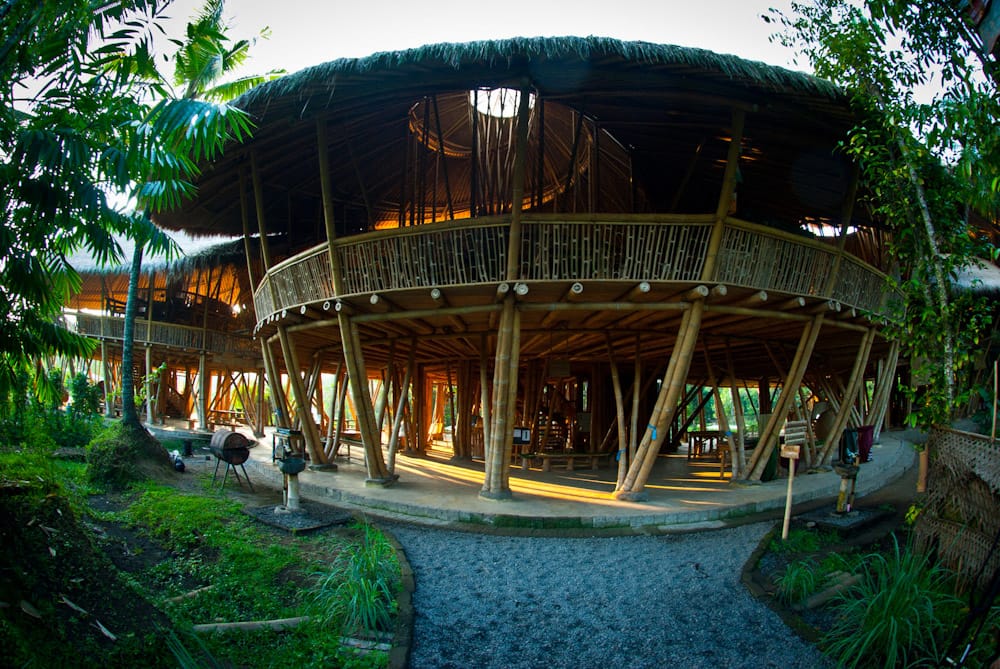
With bamboo’s lightweight properties, transportation and setup of bamboo materials are easier, reducing labor and transportation costs significantly. This advantage makes bamboo an ideal choice for public projects with limited budgets, as it provides an economical yet robust solution.
3. Bamboo Design in Infrastructure
Bamboo’s natural properties make it valuable for infrastructure projects, offering a renewable solution for constructing bridges, elevated platforms, and even roadways.
Using Bamboo in Infrastructure: Bridges, Raised Houses, and More
In infrastructure, bamboo design is particularly effective in regions prone to natural disasters or extreme weather. Bamboo’s flexibility and tensile strength make it ideal for structures like bridges and elevated houses, especially in flood-prone areas. Projects such as the bamboo bridge in Bali demonstrate bamboo’s capacity to support heavy loads and withstand environmental pressures. Furthermore, elevated structures built with bamboo in Southeast Asia show bamboo’s suitability for platforms and houses in areas with high humidity and flooding.
Bamboo’s minimal impact on the environment also makes it suitable for ecological infrastructure projects. In areas where traditional construction would disrupt natural habitats, bamboo can be utilized to reduce environmental disturbances and support local ecosystems.
Advantages of Bamboo Design in Construction
Beyond its visual appeal, bamboo design brings numerous advantages to construction projects, especially in the areas of sustainability, durability, and cost-efficiency.
Why Choose Bamboo as a Primary Building Material?
One of the primary reasons for choosing bamboo design is bamboo’s fast growth and high renewability. Bamboo matures within three to five years, compared to decades for hardwood trees, making it a sustainable choice for construction. Additionally, bamboo design is highly flexible, allowing architects to create unique, organic structures that other materials cannot achieve.

Comparing Bamboo with Traditional Building Materials
Compared to materials like steel, concrete, and wood, bamboo offers a distinct advantage. Bamboo has a tensile strength comparable to steel, yet is lightweight and easy to work with. Bamboo design also allows for cost savings in both transportation and labor due to its lightweight nature. In addition, the renewable aspect of bamboo design makes it far more sustainable than traditional construction materials.
Eco-Friendly and Sustainable Qualities of Bamboo
Bamboo design aligns well with eco-conscious goals as bamboo forests capture carbon dioxide and help reduce greenhouse gases. Additionally, bamboo’s growth improves soil health, prevents erosion, and requires minimal water. These qualities make bamboo design a preferred choice for those aiming to reduce their environmental footprint while achieving aesthetically pleasing results.
Read more: Bamboo Products Manufacturers: Best Eco Solutions 2024
Limitations of Bamboo Design in Construction
While bamboo design offers several advantages, it does have limitations that need consideration to maximize its effectiveness in construction projects.
Challenges of Using Bamboo in Construction and How to Overcome Them
Bamboo design faces challenges in terms of durability and susceptibility to pests and moisture. Without proper treatment, bamboo can degrade quickly in humid climates or be vulnerable to termites. However, modern treatment methods, such as borax soaking, kiln drying, and anti-pest treatments, have significantly extended the durability of bamboo design. Protective coatings can further enhance bamboo’s resilience, ensuring it performs well even in challenging environments.
Durability and Lifespan of Bamboo Structures
The lifespan of bamboo design depends largely on the methods used to treat and maintain it. Untreated bamboo structures may last for only a few years, while properly treated bamboo can withstand decades of use. Advances in technology have improved bamboo preservation, allowing bamboo design to be utilized in more permanent structures and diverse climates.
Choosing the Right Bamboo Supplier for Bamboo Design Projects
For any project incorporating bamboo design, sourcing high-quality bamboo is crucial. The right supplier will ensure that the bamboo used is sustainably harvested, properly treated, and suited to the structural demands of construction.
Woodbase: A Trusted Supplier for Bamboo Design Needs
When selecting a supplier, Woodbase stands out for its commitment to quality and sustainability. With a strong industry reputation, Woodbase provides a variety of bamboo products tailored to meet construction needs, from structural bamboo poles to treated bamboo panels. Their sustainable practices ensure that all bamboo is harvested responsibly, with minimal environmental impact.

Woodbase not only supplies high-quality bamboo but also offers expertise and consultation for project-specific requirements, making them a reliable partner for both large-scale construction and smaller bamboo design projects. Builders, architects, and developers can trust Woodbase for bamboo materials that are both durable and eco-friendly, ideal for achieving long-lasting, sustainable structures.
Conclusion
In summary, bamboo design offers a promising, sustainable solution for the construction industry, one that combines environmental responsibility with architectural innovation. As a renewable resource with low carbon emissions, bamboo aligns with global efforts to reduce environmental impact and promote sustainability. From residential housing to large public projects, bamboo design has proven its worth as a versatile, cost-effective, and aesthetically pleasing building material.
As more builders and designers embrace bamboo design, we can expect a rise in green architecture that values both form and function. For those interested in sustainable construction, bamboo design presents an eco-friendly alternative that could revolutionize how we build in the future. Embracing bamboo design in our projects can lead to a greener, more sustainable world, benefiting both our environment and our communities.
Tel: +84 338 286 268
Email: [email protected]
Facebook: Bamboo Supplier