
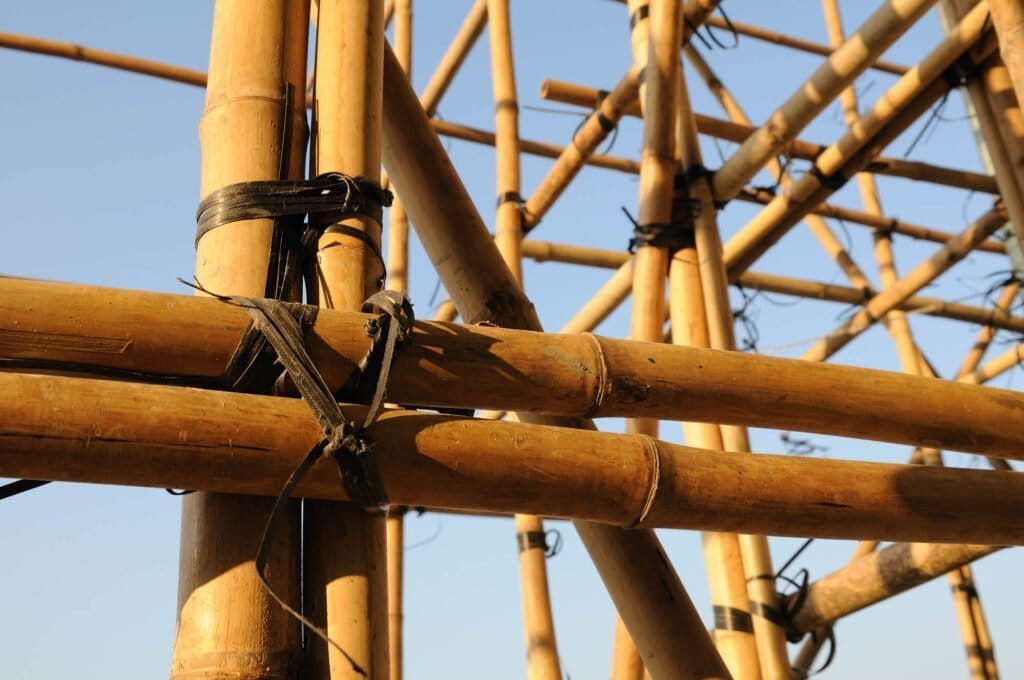
As the construction industry continues to move toward more sustainable solutions, bamboo on-site has become an increasingly popular choice. By using bamboo directly at the construction site, builders can reduce transportation costs, minimize environmental impact, and utilize the material’s inherent strength and aesthetic qualities. In this article, we’ll explore how to effectively prepare and select bamboo on-site for your building projects, ensuring that it contributes to both the durability and sustainability of your structures.
The Benefits of Bamboo On-Site in Construction
Why “on-site”? Well, bamboo on-site is a clever way to make the most of this sustainable material without the extra costs and hassle of transportation. By using bamboo right at the construction site, you’re already cutting down on costs and reducing your carbon footprint. Imagine – no long-haul shipping costs, no waiting for deliveries, and no more worrying about damaging your bamboo during transit. Instead, it’s all there, ready to go, right where you need it.
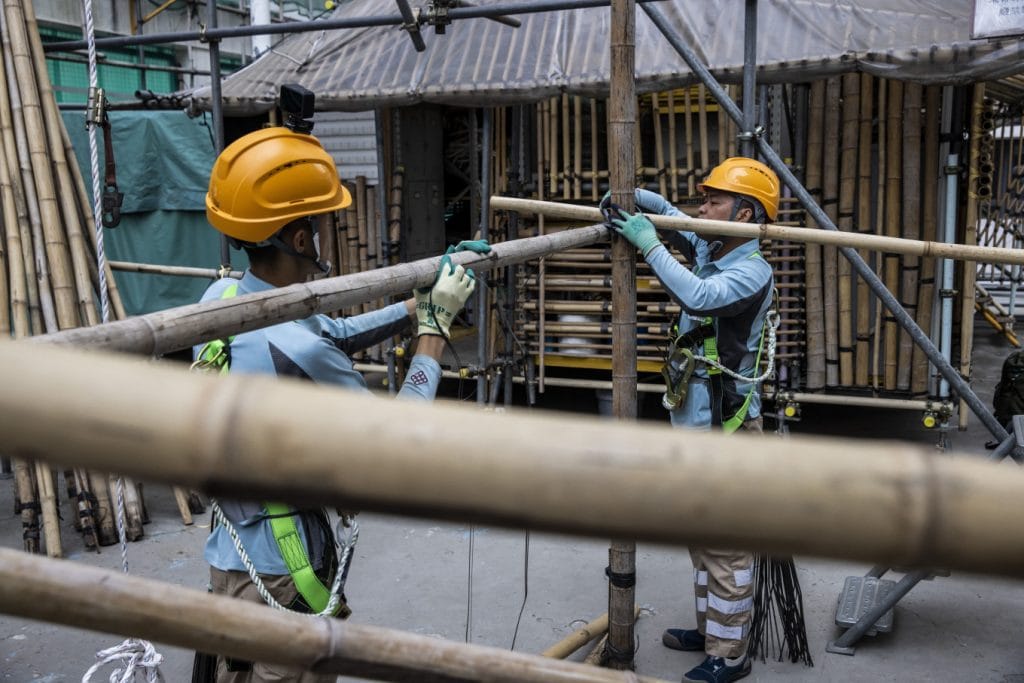
But that’s just the start! One of the greatest benefits of bamboo on-site is the time you save. The construction process becomes smoother and faster because the material is already available and ready for use. Whether you’re building a beautiful bamboo structure or incorporating it into a larger project, using bamboo directly on-site speeds up the entire construction process, allowing for quicker turnarounds.
When it comes to construction techniques, bamboo on-site opens up exciting possibilities. From the way it’s treated to the methods used for joining and reinforcing the bamboo, you can be sure that every piece is perfectly suited to the project. One of the best techniques involves treating bamboo for pests and durability directly at the site, ensuring that each piece is resistant to rot and insect damage without the need for extra steps before use.
Additionally, on-site techniques allow for more customization. Bamboo can be reinforced or treated based on the specific needs of your project. For example, some methods involve weaving bamboo strips together to create stronger, flexible joints, while others focus on securing bamboo with modern fasteners to ensure it stays sturdy for years to come.
Ultimately, using bamboo on-site isn’t just a practical choice – it’s a smart, efficient, and eco-friendly decision for any building project. By cutting out extra transportation and preparation steps, you save time, reduce costs, and keep the natural charm of bamboo intact. Plus, the more you use bamboo this way, the more you contribute to a greener, more sustainable world. How’s that for a win-win?
How to Handle Bamboo On-Site for Construction
When it comes to using bamboo in construction, bamboo on-site brings a fresh and unique approach that not only saves time but also enhances the quality of the material. One of the most exciting aspects of using bamboo directly on-site is the ability to treat and preserve it without the need for extra steps or intermediaries. This means you can ensure both durability and aesthetic appeal, all while maintaining the natural charm of the bamboo.
Pest Control and Protection On-Site
One key aspect of bamboo on-site treatment is pest control. Bamboo, while strong and versatile, is vulnerable to pests like termites and fungi, especially when it’s exposed to the elements. However, treating the bamboo on-site allows you to apply protective measures quickly and efficiently. Simple yet effective methods, like soaking bamboo in natural anti-pest solutions or using heat treatment, help ensure that your bamboo is well-protected from the start. This means fewer worries about pests damaging your material over time!
Surface Treatment for Longevity and Aesthetic Appeal
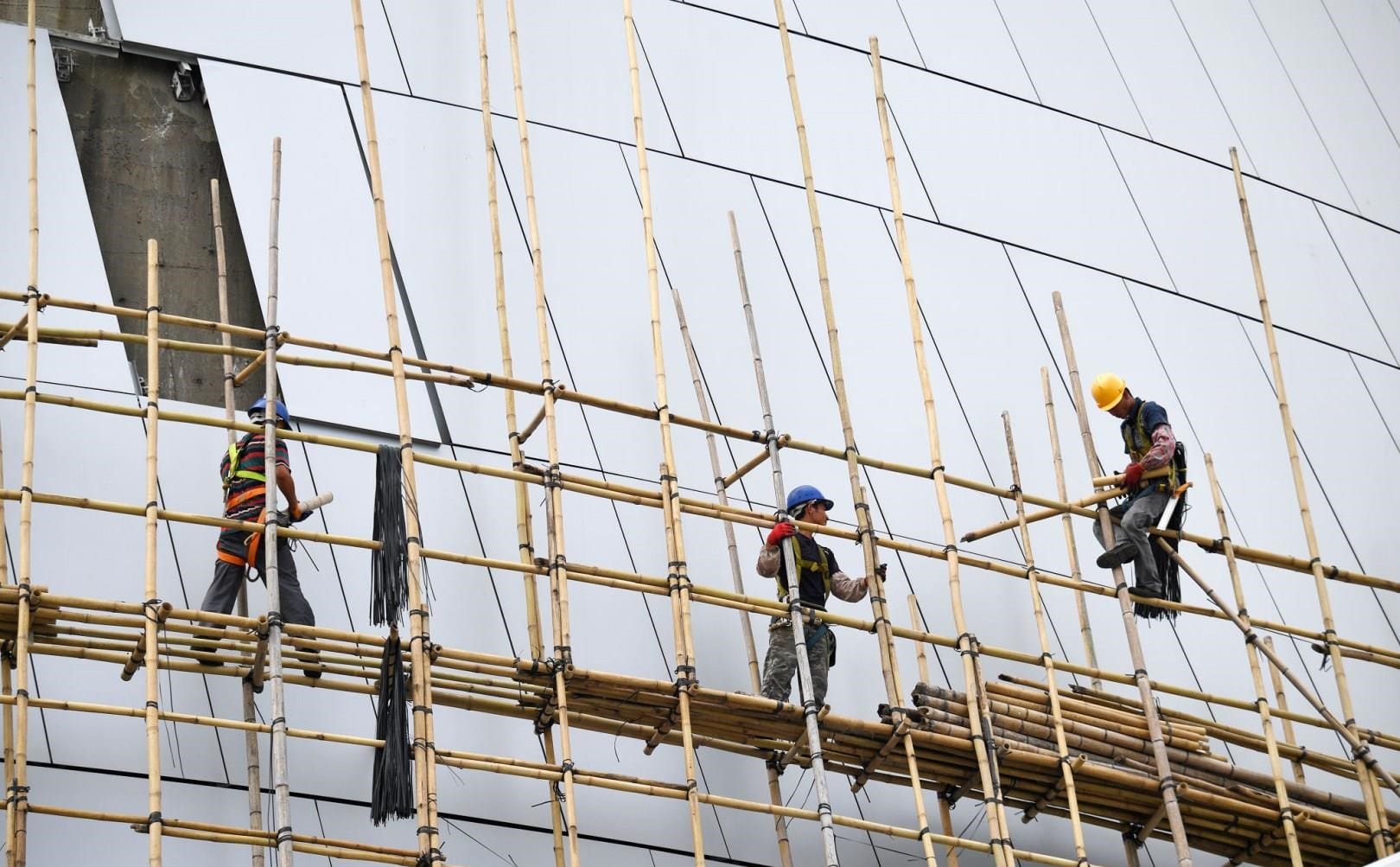
Another vital process is surface treatment. To keep your bamboo looking fresh and beautiful while standing up to the test of time, treating the bamboo’s surface directly on-site is essential. One of the most popular methods is the application of natural oils or waxes that preserve the bamboo’s smooth texture and color, giving it a warm, rich appearance that enhances the aesthetic of your project. These treatments also provide a layer of protection against weathering and wear, ensuring that the bamboo maintains its natural beauty, even in outdoor environments.
With bamboo on-site, these techniques allow you to keep the material’s rustic, natural appeal while ensuring it stands strong against the challenges of construction. Whether you’re building a bamboo fence, a small structure, or incorporating bamboo into a larger architectural project, treating the bamboo directly at the site means you can create something both durable and visually stunning, all while maintaining the material’s organic beauty.
Choosing Bamboo Based on Construction Standards
As an architect and contractor, choosing the right bamboo for a project is like selecting the perfect tool for a job. Bamboo is not just a beautiful, sustainable material; it’s also incredibly strong and versatile – when you pick the right kind for your needs! Let’s talk about how to choose bamboo based on key construction standards, so your project is both safe and stunning.
Load-Bearing Capacity: Ensuring Safety and Strength
One of the first things to consider when selecting bamboo is its load-bearing capacity. Whether you’re using bamboo for structural supports, beams, or flooring, it’s essential to choose bamboo that can handle the weight and stress of the building. The key here is maturity – older bamboo with thicker walls is naturally stronger.
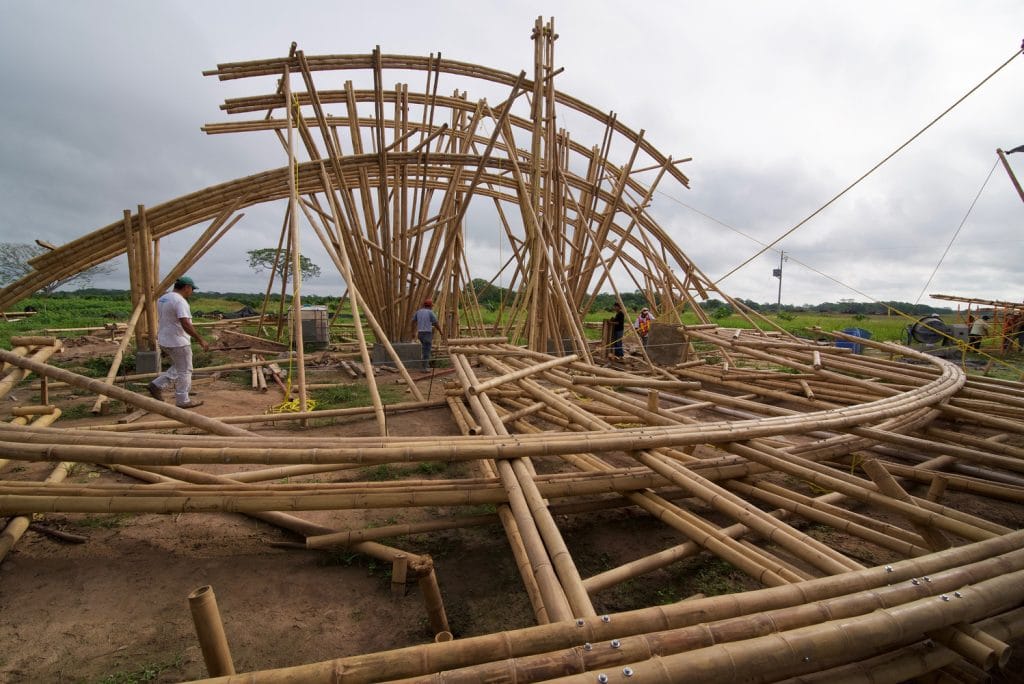
A quick tip for selecting the best bamboo: Look for stalks that are solid and thick at the base. These will provide the necessary strength for heavy-duty applications. And don’t forget to double-check that the bamboo you’re considering matches the specific load requirements of your project to ensure long-term stability and safety.
Water and Pest Resistance: The Secret to Longevity
Bamboo is naturally durable, but when it comes to outdoor construction, we need to be extra cautious about water and pest resistance. Bamboo used for outdoor structures, like fences or pergolas, must withstand the elements, from heavy rainfall to the pesky pests that love to feast on natural materials.
The best approach here is to select bamboo that has been pre-treated for moisture resistance or is from species that naturally resist water and insects. Bamboo that’s been well-treated or harvested from areas with higher altitude tends to be more resistant to both moisture and pests.
For added peace of mind, a quick surface treatment on-site can give your bamboo the extra protection it needs. Whether it’s a water-resistant coating or an anti-pest solution, these simple treatments will ensure your bamboo lasts, keeping its natural beauty and strength for years to come.
Applying Bamboo to Different Architectural Styles
As a botanist who specializes in bamboo and a contractor with hands-on experience in construction, I can tell you that choosing the right bamboo for your project can make all the difference. When using bamboo on-site, especially in Vietnam, there’s a range of bamboo varieties that are perfectly suited to different architectural styles. Each type of bamboo has its own unique characteristics that fit the aesthetic and structural demands of a given design. So, let’s explore how you can apply bamboo on-site to various architectural styles, with an emphasis on the bamboo varieties that thrive in Vietnam.
Read more to learn about bamboo system: Bamboo System: Exploring 4 Key Structural Solutions
Modern Style: Opt for Bamboo with Smooth Texture and Lighter Tones
In modern architecture, the focus is on sleek, minimalist designs that emphasize open spaces, clean lines, and a neutral color palette. Bamboo used in these designs should align with these characteristics, so we’re looking for varieties that offer a smooth, even texture and a light color that complements the airy and open feel of modern spaces.
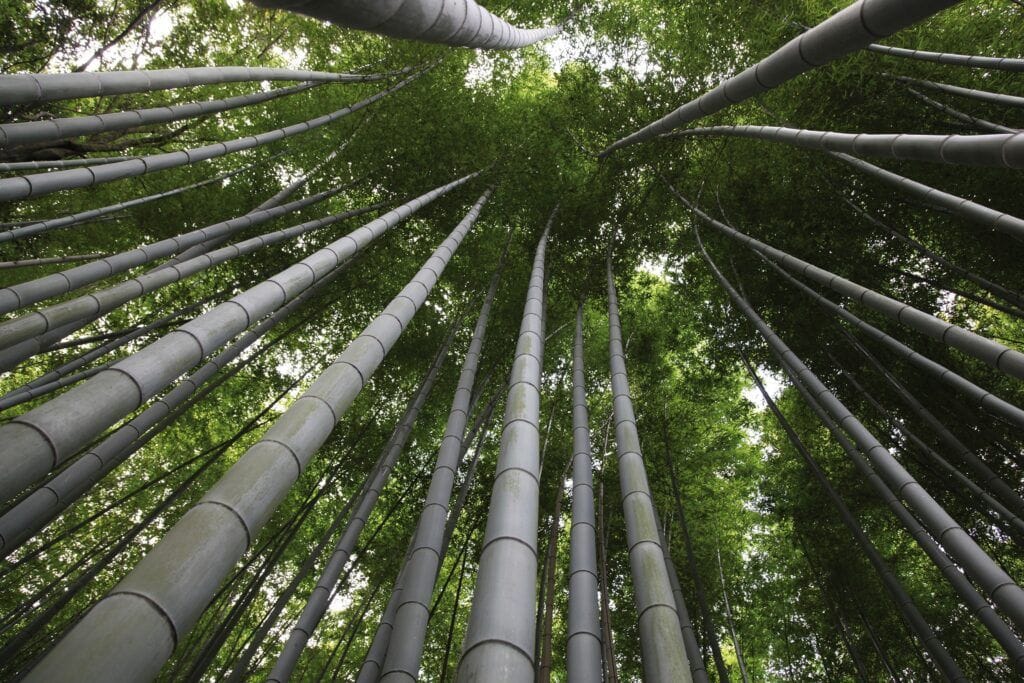
One excellent choice for this style is Luong Bamboo. Known for its clean, light color and smooth, consistent texture, Luong Bamboo works beautifully in modern designs where uniformity and simplicity are key. The bamboo’s slender, straight form lends itself well to furniture, paneling, and lightweight structural elements like partition walls or beams.
Additionally, Moso Bamboo is another great choice for modern architecture. While Moso Bamboo is not native to Vietnam, it can be cultivated in certain regions and is renowned for its strength and elegant appearance. When using bamboo on-site, Moso Bamboo is particularly valuable because of its dense, straight stalks and smooth texture, making it ideal for structural and aesthetic applications like flooring, walls, and furniture pieces in contemporary designs.
What makes Luong Bamboo and Moso Bamboo ideal is their versatility in crafting sleek, modern furniture or decorative pieces. Their straightness and uniformity make them easy to work with, especially in applications that require a polished finish. Both varieties complement neutral tones often found in modern design, making them favorites for both residential and commercial spaces.
Traditional Style: Rich Grains and Warm Tones for an Earthy Feel
In traditional architecture, the focus is on creating a cozy, earthy, and timeless atmosphere that celebrates natural beauty. Here, bamboo should have more visible grains and a darker, richer color to evoke a sense of warmth and connection with nature. In traditional designs, we often want materials that feel grounded and authentic.
Bat Do Bamboo, from the Nua species, is an excellent choice for traditional architecture. It has a deeper, darker hue and distinct natural grains that create a rustic and earthy vibe – perfect for spaces that aim to embrace heritage and culture. The unique grain patterns of Bat Do Bamboo also add character to every structure, giving it a personal and authentic touch that modern materials can’t replicate.
When using bamboo on-site, Bat Do Bamboo is typically used in more decorative applications, such as wall panels, traditional furniture, or even intricate latticework. It works beautifully in homes that seek a connection to Vietnamese culture, adding richness and history to the design. Its strength and durability also make it suitable for structural use in low-rise buildings or as part of the framing in more heritage-inspired projects.
Industrial Style: Thick, Durable Bamboo for a Strong, Raw Look
For industrial architecture, which is characterized by exposed raw materials, bold contrasts, and a slightly rugged aesthetic, you’ll want bamboo that is strong, thick, and can withstand the heavy-duty feel of this style. Mong Bamboo is the perfect choice for such a design. Known for its thicker, sturdier stems and dark, rich color, Mong Bamboo fits seamlessly with metal, concrete, and other industrial materials.
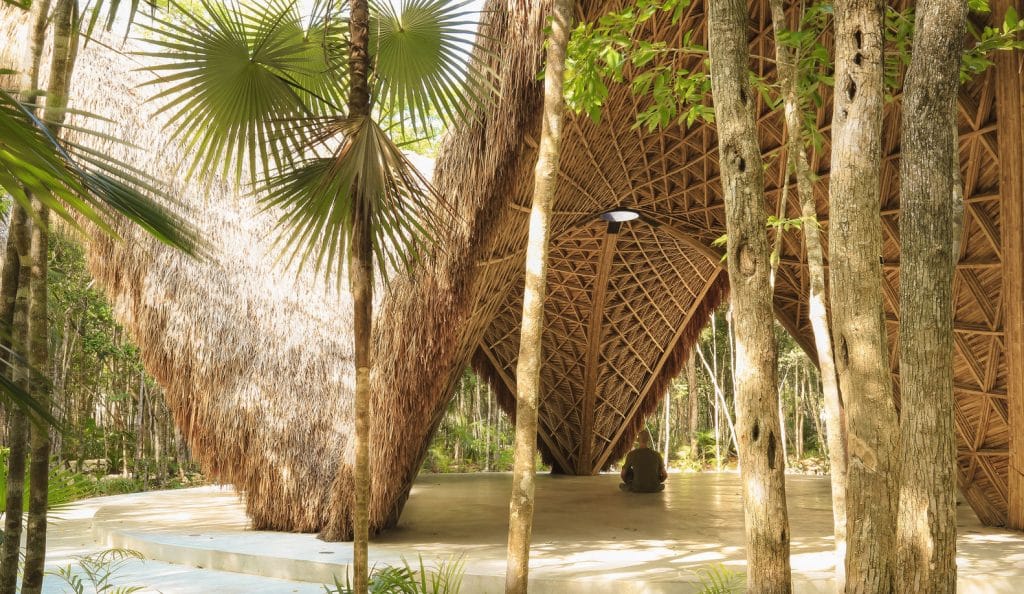
When implementing bamboo on-site, Mong Bamboo is particularly strong and durable, making it an ideal candidate for structural components like beams, columns, and framing in industrial-style buildings. It can also be used for interior features such as partition walls, furniture, or shelving. The bamboo’s thickness provides the structural integrity needed for industrial projects, while its dark, dense appearance complements the raw, unfinished look typical of this style.
What makes Mong Bamboo truly stand out is its ability to combine with heavy materials like steel, glass, and concrete to create a striking contrast. Imagine a warehouse or loft with bamboo beams supporting high ceilings or accent walls made from Mong Bamboo panels – this bamboo really enhances the strength and beauty of the industrial style. It also provides a unique texture that softens the starkness of metals and concrete, balancing the raw with the refined.
Choosing Bamboo Based on Style and Functionality
Selecting the right bamboo not only depends on the architectural style but also on its functional properties, especially when considering bamboo on-site. For example, if you are designing a home or structure in a coastal area, you may want bamboo with high moisture resistance, such as Luong Bamboo, which is lighter and more flexible. When using bamboo on-site, Luong Bamboo and Moso Bamboo can provide the necessary flexibility to withstand coastal weather conditions without compromising on strength.
On the other hand, for areas with higher humidity or exposure to rain, Bat Do Bamboo would be a better choice, as it’s more robust and suited for enduring the elements. Its durability makes it ideal when bamboo on-site needs to withstand the rigors of wet climates, ensuring that your structure remains sound and stable even in challenging weather.
In all cases, understanding the natural properties of the bamboo varieties available in Vietnam and how they fit into the intended design will lead to more successful and sustainable architectural outcomes. Whether it’s the smooth elegance of Luong Bamboo, the warm authenticity of Bat Do Bamboo, or the rugged durability of Mong Bamboo, each type of bamboo offers something special that can transform your space.
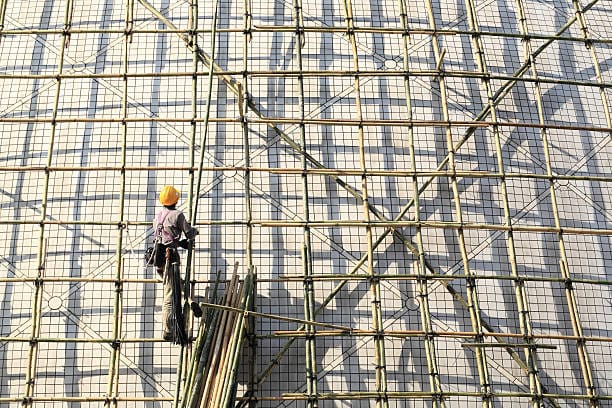
By carefully considering the architectural style and selecting the right bamboo for both aesthetic and structural needs, you’re sure to create a beautiful, functional, and environmentally-friendly space that harmonizes with nature, especially when using bamboo on-site for the most effective results.
Have a look at our product for your concern about finding a durable material for your project: Our bamboo.
Final Thought
As we explore the endless possibilities of bamboo on-site in architecture, it’s clear that this versatile material can not only transform the aesthetic of a space but also contribute to a more sustainable and eco-friendly world. Whether you’re creating a sleek modern retreat, embracing the charm of traditional design, or diving into the bold contrasts of industrial style, bamboo on-site is here to add beauty, strength, and warmth.
Choosing the right bamboo on-site, especially the wonderful varieties from Vietnam, will help bring your vision to life – while also doing your part to nurture the environment. Bamboo is truly a gift from nature, and as architects, contractors, or lovers of beautiful spaces, we are so lucky to have it as an option for our buildings.
So, next time you’re designing or building, think of bamboo on-site as more than just a material – it’s a sustainable partner that can make your space both stylish and kind to the earth.
Tel: +84 338 286 268
Email: [email protected]
Facebook: Bamboo Supplier