

Bamboo structure is rapidly gaining attention as a sustainable, durable, and flexible solution in modern architecture. Known for its minimal environmental impact, high strength-to-weight ratio, and aesthetic appeal, bamboo is becoming the preferred choice for environmentally conscious builders and designers. In a time when sustainability is paramount, it offers an impressive balance of form, function, and eco-friendliness. But what makes bamboo structure such an appealing option, and what should architects, designers, and consumers consider when choosing bamboo for their projects?
Key Benefits of Bamboo Structure
Bamboo structure offers an array of benefits that make it highly suitable for sustainable building. Let’s dive into these advantages in detail.

Environmentally Friendly and Rapidly Renewable
Unlike traditional timber, which requires decades to mature, bamboo can be harvested within just 3-5 years of planting. Bamboo structure thus supports an eco-friendly supply chain, reducing deforestation and preserving biodiversity in forest ecosystems. Bamboo also absorbs carbon dioxide and releases oxygen at higher rates than many trees, making it a powerful tool in combating climate change. When used for it, this renewable resource allows for sustainable construction without exhausting natural resources, helping the industry align with environmental conservation goals.
Flexible Design Options
One of bamboo’s standout features is its natural flexibility, which is ideal for creating organic, flowing architectural designs. Bamboo can be tailored to various forms, from simplistic cottages to elaborate open-concept pavilions. Its unique shape and size variations mean that bamboo structure can be applied to both traditional and modern styles, providing architects with creative freedom. This adaptability makes them an appealing choice in eco-resorts, outdoor venues, and residential projects that emphasize harmony with nature.
Strong and Durable When Treated Properly
Although lightweight, bamboo structure exhibits impressive durability and load-bearing capacity. This is particularly true when bamboo is treated and reinforced with modern preservation methods. When applied correctly, bamboo can withstand substantial weight, pressure, and adverse weather conditions, proving its versatility across different climates. It has even been used in earthquake-resistant buildings, such as in earthquake-prone areas of Asia and South America, where its resilience and flexibility offer added safety and stability.

A Warm, Natural Aesthetic
The natural beauty of bamboo is undeniable, lending warmth and character to any space. Bamboo structure creates a welcoming, serene atmosphere and is ideal for those seeking to blend indoor and outdoor environments. From rustic bamboo homes to elegant spa facilities, the material’s aesthetic appeal offers a connection to nature that resonates with eco-conscious homeowners and businesses alike. This natural, warm look is a defining feature of them that continues to win favor with designers globally.
Limitations and Solutions in Bamboo Structure
Despite its many advantages, bamboo structure also presents certain limitations that can impact its usage. Here are some common challenges and potential solutions for builders interested in using its.
Vulnerability to Pests and Mold
One of the main challenges facing bamboo structure is its vulnerability to pests, including termites, and susceptibility to mold, especially in humid climates. However, modern treatment methods such as kiln drying, chemical preservation, and specialized coatings offer practical solutions. By properly treating bamboo before use, builders can significantly reduce the risk of decay and extend the lifespan of it. For example, projects in tropical climates often use treated bamboo to resist mold and pest damage, ensuring that its remains robust over time.
Limited Durability Compared to Concrete and Steel
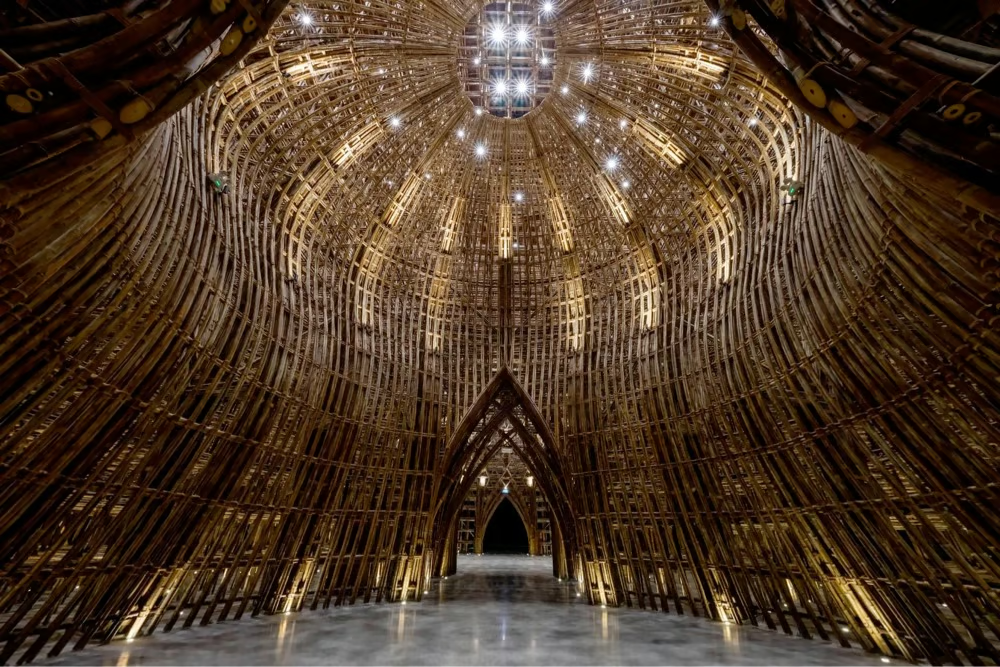
Bamboo, while durable, cannot always match the lifespan or strength of materials like concrete and steel. However, bamboo structure can be reinforced with metal connectors or integrated with other materials to improve its stability and resilience. Techniques such as engineered bamboo, which involves bonding bamboo with adhesives, can further enhance its strength. In hybrid buildings, it is often used for aesthetic and structural elements, with concrete or steel providing the main load-bearing support, thus extending the possibilities for bamboo use in larger, longer-lasting projects.
Difficulty in Large-Scale Projects
Bamboo’s natural form makes it challenging to apply in large-scale or high-complexity projects, especially in urban settings where modern designs often require precision. However, modern engineering solutions, including prefabricated bamboo modules and engineered bamboo, allow builders to create scalable bamboo structures. This approach has been successfully implemented in multi-story buildings, showcasing that bamboo can indeed be used in ambitious architectural designs when paired with thoughtful planning and technology.
Construction Techniques for Bamboo Structure
Creating durable and safe bamboo structures requires adherence to specific techniques. Let’s explore the construction methods essential to maximizing the potential of bamboo in building projects.

Traditional and Modern Joint Techniques
In bamboo construction, the joints play a crucial role in maintaining the stability and durability of the structure. Traditional techniques, such as lashing and pegging, are still widely used in rural and indigenous bamboo buildings. These methods allow the bamboo to maintain its natural flexibility, providing stability even in changing weather conditions. For more complex projects, modern joint techniques such as metal connectors, bolts, and engineered bamboo components have become indispensable. These innovations enable bamboo structure to accommodate greater loads, making it suitable for multi-story buildings and commercial applications.
Treatment Processes to Extend Lifespan
The natural properties of bamboo make it susceptible to environmental damage; thus, proper treatment is essential for long-lasting bamboo structure. Common treatments include kiln drying to reduce moisture content, chemical preservation to ward off pests, and anti-mold coatings that protect bamboo in humid climates. In regions where its is prevalent, such as in Southeast Asia and South America, these treatment techniques have been instrumental in creating resilient and long-lasting bamboo buildings that stand the test of time.
Specialized Tools and Machinery
Constructing a bamboo structure requires specific tools and machinery that can handle the material’s unique properties. Traditional tools, such as saws and chisels designed specifically for bamboo, help builders make precise cuts without damaging the bamboo’s integrity. Modern machinery, including hydraulic presses and bending machines, allows for even greater precision in its construction, especially when creating curved or complex designs. These tools and technologies enable architects to push the boundaries of them design and create increasingly sophisticated bamboo buildings.
Design Principles for Safe and Sustainable Bamboo Structure
The design principles for bamboo structure involve careful consideration of weight distribution, spacing, and load-bearing capacity to ensure safety. For example, columns and beams in are often reinforced with additional support where necessary, particularly in earthquake-prone regions. Sustainable design principles, such as incorporating natural ventilation and maximizing light, also complement bamboo structure’s eco-friendly properties, creating spaces that are both safe and energy-efficient.
Cultural and Historical Significance of Bamboo Structure
Bamboo has held cultural and historical importance across many societies, influencing the architectural designs we see today. Bamboo structure reflects a deep connection between material and cultural identity, showcasing bamboo’s role beyond just a building material.
Bamboo’s Cultural Meaning Across Different Societies
Bamboo symbolizes resilience, strength, and simplicity in many cultures, particularly in Asia. These qualities are mirrored in bamboo structure, where practicality meets symbolic value. In regions like Japan and China, they are used in temples, gardens, and traditional homes, where they represent harmony with nature. Bamboo also has cultural significance in South America and parts of Africa, where it is viewed as a symbol of life and regeneration. These cultural meanings have contributed to bamboo structure’s global appeal as both an architectural and symbolic choice.
Iconic Bamboo Structures in History
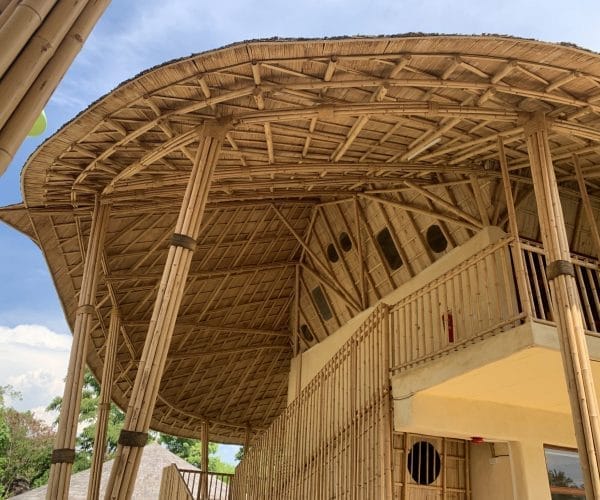
Throughout history, bamboo has been used in iconic buildings, such as traditional bamboo houses in Southeast Asia and bamboo scaffolding in ancient China. Some bamboo structures, like the Green School in Bali, Indonesia, have even achieved international recognition for their innovative and sustainable designs. These structures highlight bamboo’s versatility and its ability to adapt to various architectural styles, showcasing its potential as a timeless building material.
Read more: Bamboo House Structure – The Sustainable Building Solution 2024
The Evolution of Bamboo Structure Over Time
From humble rural huts to high-end urban homes, bamboo structure has evolved significantly over the centuries. In the past, bamboo was primarily used for modest dwellings and agricultural buildings, but today it is celebrated as a material for eco-friendly resorts, luxurious villas, and even commercial spaces. This evolution demonstrates the progress of bamboo structure from traditional applications to modern uses, where it meets both aesthetic and functional requirements.
The Future of Bamboo Structure in Green Architecture
As the world moves toward greener construction practices, bamboo structure is poised to play a major role in sustainable building. The future of bamboo architecture is bright, with exciting developments on the horizon.
Modern Architectural Trends Favoring Bamboo Structure
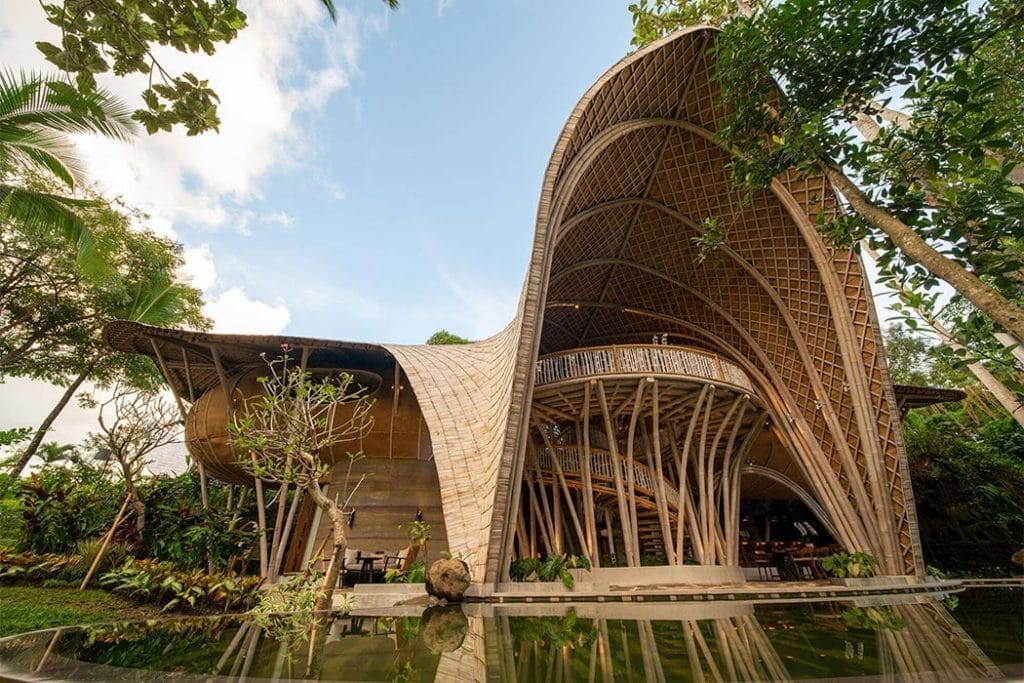
In urban design and eco-conscious building, bamboo structure is gaining popularity as an alternative to resource-heavy materials. Modern architects are using bamboo not just for its environmental benefits but also for its distinct look, incorporating it in eco-resorts, public parks, and residential complexes. As interest in sustainable architecture grows, bamboo structure’s role is expected to expand, transforming urban landscapes with natural, low-carbon designs.
Research and Development in Bamboo Materials
To address the limitations of bamboo, researchers are continually developing new ways to enhance its durability and functionality. Engineered bamboo, for example, combines bamboo fibers with resins to create stronger, more versatile building materials that expand the applications of bamboo structure. With ongoing advancements, bamboo could soon rival traditional building materials in strength and longevity, broadening its potential uses in construction.
The Role of Bamboo Structure in Climate Change Adaptation
As the construction industry seeks to reduce its carbon footprint, it stands out as a promising solution. Bamboo’s fast growth and carbon-sequestering properties make it an ideal material for green buildings that help combat climate change. By incorporating bamboo into their designs, architects and developers can contribute to sustainable development goals while meeting the demands of modern construction.

Conclusion
Bamboo structure represents a harmonious blend of tradition, innovation, and sustainability. As an eco-friendly, renewable, and adaptable building material, bamboo has the potential to redefine the future of architecture. With research and innovation continuing to push its capabilities, bamboo structure is set to play a leading role in sustainable building. From private homes to large commercial spaces, the possibilities of bamboo structure are endless. By choosing bamboo, architects, builders, and homeowners can make a positive environmental impact while creating spaces that inspire and endure.
Tel: +84 338 286 268
Email: [email protected]
Facebook: Bamboo Supplier