
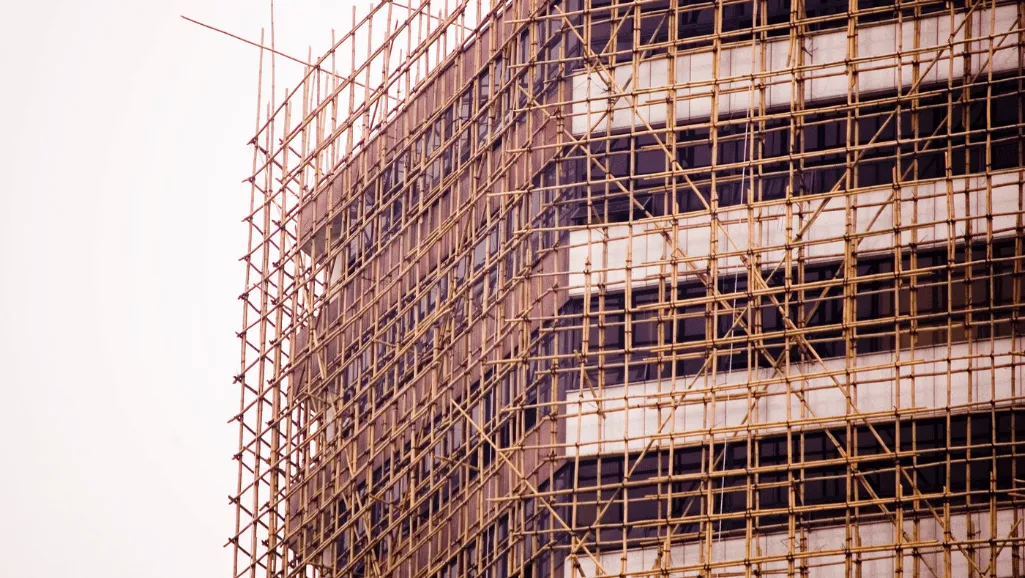
The world of construction is evolving, and with it, the growing need for sustainable practices in architecture. While the traditional use of materials like concrete and steel has dominated the building industry for decades, there is now an emerging focus on alternative materials that are renewable, eco-friendly, and resilient. Green Architecture & Bamboo stands out as one of the most promising solutions for creating sustainable buildings. Bamboo’s incredible strength, rapid growth, and minimal environmental impact make it the ideal material for a greener, more sustainable future in architecture.
The Shift Towards Sustainability in Construction
Historically, the construction industry has heavily relied on materials such as concrete, steel, and brick, which require significant energy to produce and have a long-term environmental impact. These materials, although strong and durable, are not renewable and contribute to deforestation, resource depletion, and pollution. As the global population grows and urbanization accelerates, the demand for housing and infrastructure is placing even greater pressure on the planet’s resources.

In response, Green Architecture & Bamboo presents a solution that aligns with the principles of sustainable development. Bamboo, known for its rapid growth cycle and low carbon footprint, is emerging as a viable alternative to conventional building materials. Its versatility in design, strength, and ability to sequester carbon make it an essential component of eco-friendly architecture.
Bamboo’s environmental advantages go beyond its renewability. It has an extraordinary ability to absorb carbon dioxide, making it a natural ally in the fight against climate change. By incorporating bamboo into architecture, we can significantly reduce the carbon footprint of buildings, contributing to more sustainable urban development.
The Role of Bamboo in Green Architecture
Bamboo is one of the fastest-growing plants on Earth. Some species can grow up to 90 cm (35 inches) in a single day. This rapid growth cycle makes bamboo a highly renewable resource, as it can be harvested every three to five years without damaging the plant. Bamboo is also capable of absorbing large amounts of carbon dioxide, making it an effective tool in the fight against climate change.
In the context of Green Architecture & Bamboo, the material is used in various ways, from structural elements to decorative finishes. Bamboo is not only an aesthetically pleasing material, but its strength and durability are also ideal for both residential and commercial buildings. The use of bamboo in construction reduces the reliance on resource-intensive materials like steel and concrete, which are responsible for high levels of carbon emissions during production.
Bamboo also has unique physical properties that make it stand out as a building material. It is both strong and lightweight, which means it requires less energy to transport and work with during construction. This contributes to the overall energy efficiency of the building process. Additionally, bamboo has natural resistance to pests and moisture, reducing the need for harmful chemical treatments.
Bamboo’s Environmental Benefits
Bamboo’s environmental advantages are vast. As a naturally renewable resource, bamboo can grow without the need for fertilizers or pesticides. Unlike hardwoods, which can take decades to mature, bamboo can be harvested within a few years, making it an incredibly sustainable option for construction. The carbon sequestration properties of bamboo further contribute to its sustainability. Bamboo forests act as carbon sinks, removing significant amounts of carbon dioxide from the atmosphere.

In addition, bamboo is biodegradable, unlike synthetic materials such as plastics and metals. This makes bamboo an ideal candidate for Green Architecture & Bamboo, as it can be easily recycled or composted at the end of its life cycle, reducing waste in landfills and promoting a circular economy.
Another key environmental benefit of bamboo is its minimal water consumption during growth. Unlike other crops that require significant amounts of water, bamboo thrives in regions with moderate rainfall and does not need extensive irrigation, making it suitable for areas facing water scarcity.
Bamboo in Residential Design: Sustainable Homes for the Future
One of the most exciting aspects of Green Architecture & Bamboo is its potential in residential design. The use of bamboo in residential homes offers a sustainable alternative to traditional building materials. Bamboo can be used for everything from flooring to wall panels, and even structural elements like beams and columns. In rural areas, bamboo is already being used for building homes, offering an affordable and eco-friendly option for low-income families.
In urban settings, bamboo is being incorporated into modern homes, providing a unique aesthetic while reducing the environmental impact of construction. Bamboo’s lightness and flexibility make it an ideal material for creating energy-efficient homes that require less energy to heat and cool. When paired with other sustainable design features like passive solar heating, green roofs, and natural ventilation, bamboo helps to create homes that are both environmentally friendly and cost-effective.
The beauty of bamboo lies in its adaptability. It can be woven, laminated, or treated in a variety of ways to create different textures, colors, and finishes. This versatility allows architects to use bamboo in a wide range of design styles, from traditional to contemporary. Bamboo’s flexibility in design makes it possible to create aesthetically appealing homes that also have a minimal environmental impact.
Bamboo in Commercial and Public Buildings
Beyond residential use, Green Architecture & Bamboo is increasingly being employed in commercial and public buildings. Many companies and government agencies are seeking to reduce their carbon footprints and create eco-friendly spaces for their employees and the public. Bamboo’s strength, versatility, and aesthetic appeal make it an excellent choice for large-scale commercial and institutional buildings.
In office buildings, bamboo can be used for flooring, wall coverings, and even structural components like beams and supports. Bamboo’s lightweight nature makes it easier to transport and work with, reducing the overall energy expenditure during construction. Additionally, bamboo’s aesthetic qualities create visually appealing spaces that are both functional and environmentally conscious.

Public buildings, such as schools, community centers, and museums, are also benefiting from the use of bamboo in their design. Bamboo’s ability to be molded into various shapes allows architects to create innovative and sustainable designs that blend seamlessly with the natural environment. By integrating bamboo into public architecture, cities can reduce their environmental impact while enhancing the aesthetic value of public spaces.
The use of bamboo in these large-scale structures also helps to create a positive public perception of sustainable design. As more commercial and public buildings adopt bamboo in their construction, the material will become increasingly mainstream, encouraging its wider adoption in both the private and public sectors.
Bamboo’s Contribution to the Circular Economy
The concept of a circular economy focuses on minimizing waste and maximizing the reuse and recycling of materials. Green Architecture & Bamboo aligns perfectly with this concept. Bamboo is a renewable material that can be easily replaced and reused, making it a key component in the circular economy. Once bamboo has served its purpose in a building, it can be recycled into new products or returned to the earth in a natural, biodegradable form.
By using bamboo in construction, we move away from the traditional linear model of “take, make, dispose” and embrace a more sustainable, regenerative approach. The use of bamboo reduces the demand for virgin resources and minimizes the environmental impact of construction waste. This shift toward a circular economy is crucial for ensuring that future generations inherit a planet with abundant natural resources and a thriving ecosystem.
Research and Innovation in Bamboo Construction
While bamboo has been used in construction for centuries, it is only in recent years that its potential as a mainstream building material has been fully recognized. Research and innovation in Green Architecture & Bamboo are crucial for unlocking new applications and improving the material’s performance in modern construction.
Researchers are exploring ways to improve the durability, fire resistance, and treatment of bamboo to make it more suitable for use in a wider range of climates and building types. Advances in bamboo preservation techniques, such as carbonization and heat treatment, help to increase the material’s resistance to pests and moisture, ensuring that it remains a viable option for long-term construction.
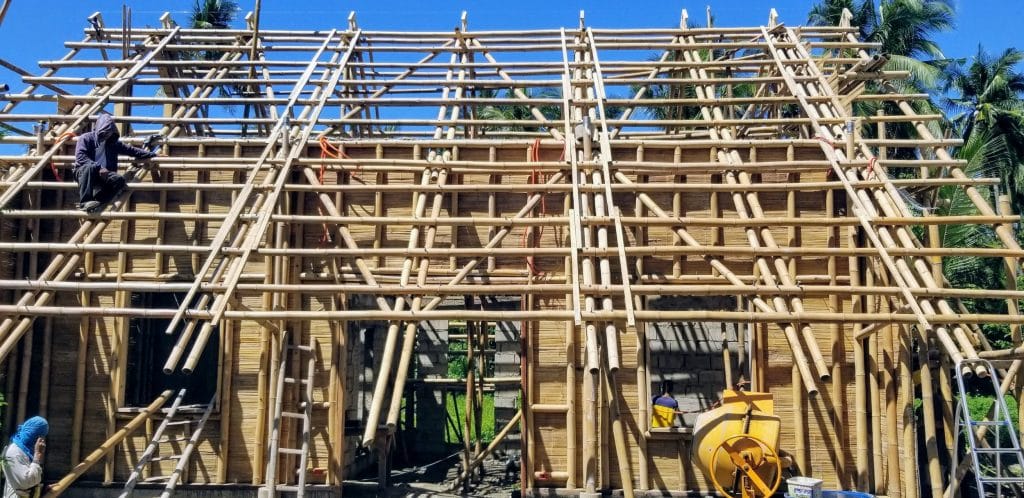
Innovative uses of bamboo are also being explored, such as the development of bamboo composite materials that combine bamboo fibers with other sustainable materials. These composites can offer even greater strength and durability while maintaining the eco-friendly benefits of bamboo.
In addition to material innovation, researchers are also studying the structural properties of bamboo to improve its performance in large-scale construction projects. This research is vital for expanding the use of bamboo in skyscrapers, bridges, and other high-demand structures, ensuring that bamboo can be used for a wide variety of building types.
The Future of Green Architecture & Bamboo
As the world continues to grapple with climate change and environmental degradation, Green Architecture & Bamboo will play an increasingly vital role in creating a more sustainable built environment. The continued research into bamboo’s properties and applications will ensure that it remains a key player in the future of architecture.
The future of bamboo in construction is bright. As technology advances and sustainability becomes a greater priority, bamboo will become an integral material in the construction of homes, commercial buildings, and public infrastructure. By embracing bamboo and other sustainable materials, we can reduce the environmental impact of construction while creating beautiful, functional, and energy-efficient buildings that contribute to a greener future.
In the coming decades, bamboo will likely become the material of choice for many architects and builders committed to sustainability. Its renewable nature, strength, and aesthetic appeal make it an ideal solution for constructing buildings that are both environmentally friendly and beautiful.
Click to see our product in here.
Conclusion
In conclusion, Green Architecture & Bamboo is not just a trend but a necessary shift toward more sustainable building practices. Bamboo offers numerous environmental benefits, from its rapid growth to its carbon sequestration properties, making it an ideal material for sustainable construction. Whether used in residential homes, commercial buildings, or public infrastructure, bamboo provides a versatile and eco-friendly solution for modern architecture.

By embracing bamboo, we move closer to a future where buildings are designed with the environment in mind. As more architects, builders, and governments adopt bamboo as a primary construction material, we will continue to build a greener, more sustainable world.
Tel: +84 338 286 268
Email: [email protected]
Facebook: Bamboo Supplier