

In recent years, the half round bamboo pole has become increasingly popular across a range of industries, from interior design and architecture to gardening and crafting. Known for its versatility, sustainability, and natural beauty, the half round bamboo pole is a favorite for those who value eco-friendly materials that do not compromise on style or function. This guide delves into everything you need to know about half round bamboo poles, exploring their types, unique characteristics based on regional origins, production processes, applications, and maintenance tips to ensure their longevity.
What is a Half Round Bamboo Pole?
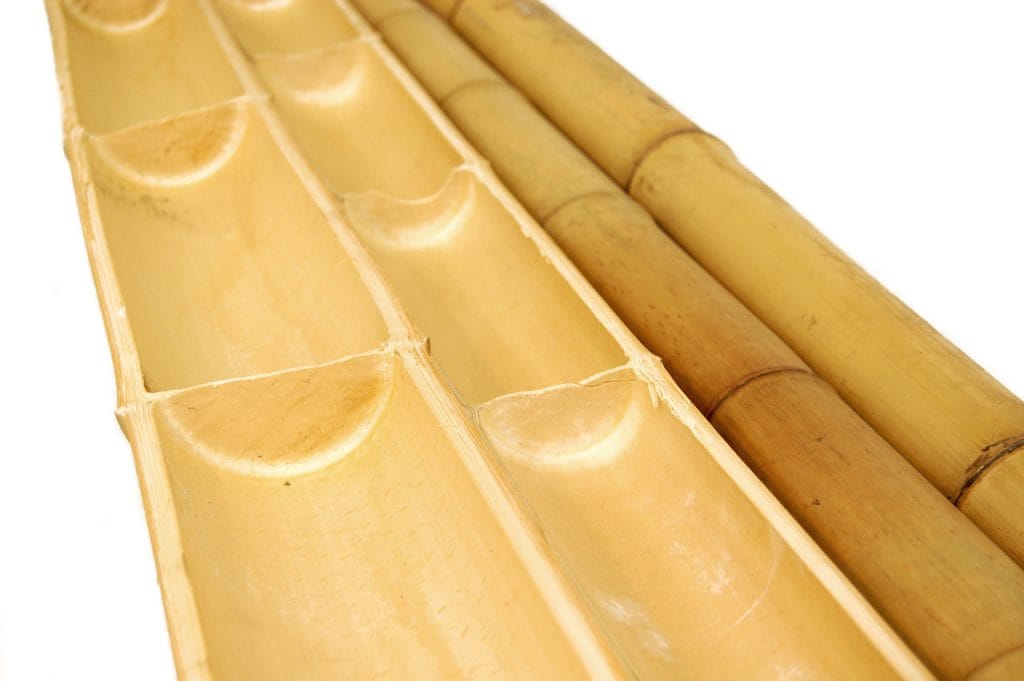
A half round bamboo pole is essentially a bamboo culm that has been split lengthwise, creating a piece with one flat side and one rounded side. This simple yet effective processing method allows the bamboo to be easily integrated into designs that require a blend of texture and form, from wall paneling to handcrafted furniture. The half round bamboo pole’s unique shape enhances its flexibility and offers a polished, symmetrical look that fits well in rustic and modern spaces alike. The material retains the natural strength, lightweight properties, and appealing texture of bamboo, making it highly functional and attractive for a wide range of projects.
Types of Half Round Bamboo Poles Based on Regional Origins
One of the unique aspects of bamboo is how its characteristics vary depending on where it’s grown. Each region produces bamboo with distinctive properties that influence its appearance, durability, and ideal uses. Here’s a closer look at half round bamboo poles from different parts of the world:
Vietnamese Bamboo Poles
Vietnamese bamboo poles are known for their smooth, light yellow hue and finely textured surface. Bamboo grown in Vietnam is highly resilient and offers a level of flexibility that makes it perfect for projects that require bending or shaping. Popular types include Lồ Ô bamboo, which is highly durable and naturally resistant to pests, making it a suitable choice for structural uses such as fencing. Another favored type is Tầm Vông bamboo, a slender, straight species that’s ideal for decorative applications and fine handcrafted items. Vietnamese half round bamboo poles work well in both interior and exterior settings due to their beauty and functional qualities.
Japanese Bamboo Poles (Madake Bamboo)
Madake bamboo, the most widely used species in Japan, features a distinct pale green to mossy green color, and its structure is notably sturdy and dense. The high oil content in Japanese bamboo provides natural protection against pests, enhancing the durability of half round bamboo poles from this region. These qualities make Japanese bamboo an excellent choice for outdoor projects such as pergolas, garden fences, or shading screens, as it withstands temperature and humidity changes with minimal warping. The refined, organic look of Japanese half round bamboo poles complements minimalist aesthetics and is particularly suitable for Japanese-style Zen gardens and traditional decor.
Thai Bamboo Poles
Thai bamboo poles have a darker tone, often deep brown or dark green, with medium thickness and a relatively firm structure. Bamboo from Thailand is generally affordable and easy to work with, making it an accessible choice for various DIY projects. Half round bamboo poles from Thailand are often used for decorative purposes such as room dividers or wall accents. While Thai bamboo may not be as durable as Vietnamese or Japanese varieties, its versatility and cost-effectiveness make it a popular choice for interior decor items.
Chinese Bamboo Poles (Moso Bamboo)
China’s Moso bamboo, one of the largest bamboo species, is known for its impressive diameter and thickness. This type of bamboo has a grayish-yellow tone with distinct, visually appealing grain patterns. Moso bamboo’s strength and substantial size make it a favorite for projects requiring sturdy materials, as its durability rivals that of many hardwoods. Chinese half round bamboo poles are commonly used in construction and furniture making, providing a natural and aesthetic alternative to wood. Moso bamboo’s ability to bear weight and its resistance to cracking allow it to function well in heavy-duty applications, including outdoor installations.
Indian Bamboo Poles
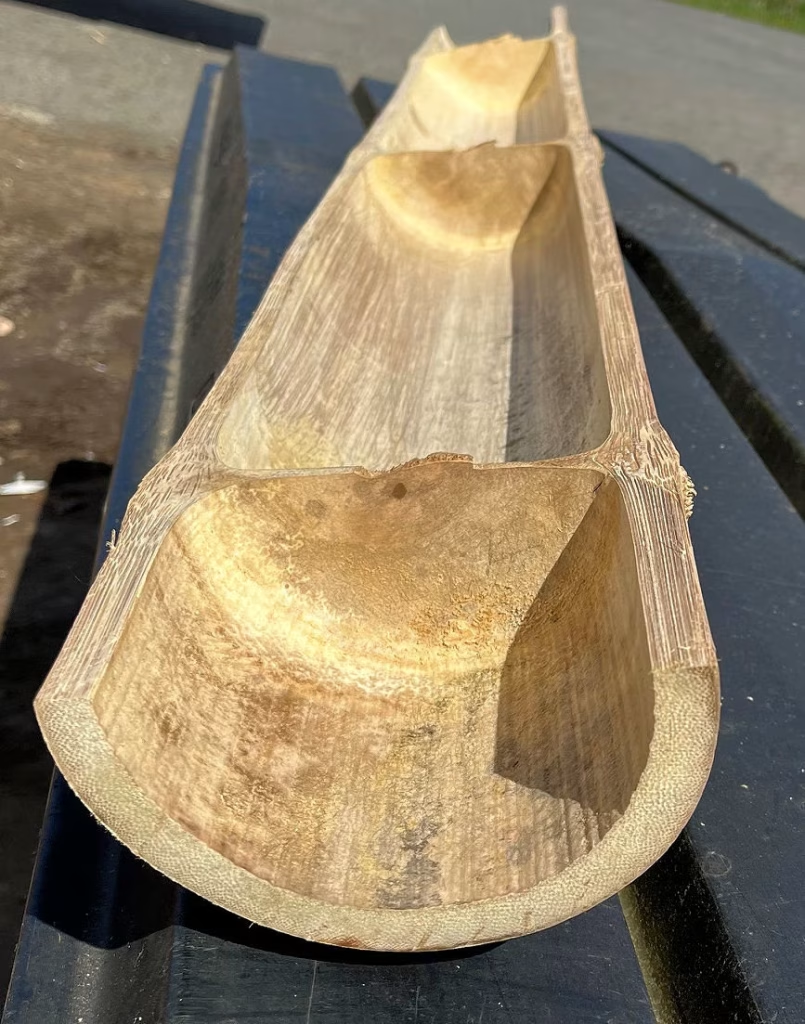
Indian bamboo is typically darker green or grayish, with medium to large diameter poles that offer significant strength. Bamboo from India is less expensive and widely available, making it suitable for both short-term and long-term applications. Although it may require additional treatment to prevent pest damage, Indian half round bamboo poles are ideal for affordable interior decor and furniture, providing a rustic touch that blends well with natural and earthy tones.
Philippine Bamboo Poles
Philippine bamboo poles are generally smaller in diameter with a rich, dark brown color, and are often slender and flexible. These poles are preferred for fine crafts and intricate design projects as they can be easily shaped and manipulated without extensive processing. Philippine half round bamboo poles are frequently used in decor pieces such as baskets, frames, and light fixtures, lending a unique handmade quality to artisanal products.
Production and Quality Treatment of Half Round Bamboo Poles
The production process for half round bamboo poles involves carefully selecting mature bamboo culms, splitting them lengthwise, and then treating them to enhance their durability. Treatments may include natural methods such as smoking and drying or chemical treatments to protect against pests and moisture damage. Quality treatment processes are essential to prevent warping, mold growth, and insect infestations, especially when bamboo is used outdoors. Many suppliers follow international standards to ensure bamboo products are environmentally friendly and safe for consumers, meeting certifications for sustainability and low chemical use.
Harvesting and Processing
Harvesting bamboo typically occurs when the culms reach maturity, usually between three to five years old. The bamboo is cut at the base and processed quickly to prevent degradation. After harvesting, the bamboo is usually left to cure for a few days, allowing moisture to evaporate. Once dried, the culms are split down the center using specialized tools, creating the half round shape.
Post-splitting, the bamboo is treated to increase its resistance to pests and decay. This treatment may involve soaking in a solution of boric acid, a natural insecticide and fungicide, or using thermal treatments to enhance durability. The treated poles are then dried again to ensure they are moisture-free and ready for use.
Applications of Half Round Bamboo Poles
Thanks to their durability, aesthetic appeal, and versatility, half round bamboo poles have a wide array of applications:
Interior Design: Half round bamboo poles are often used in wall paneling, room dividers, or as accents for furniture, bringing a natural, organic element into spaces. Their rustic look works well with styles like Zen, minimalist, and rustic designs. Many designers appreciate how half round bamboo poles can be combined with various materials such as glass, metal, and fabric to create unique furniture pieces that blend tradition and modernity.

Crafting and Handicrafts: Artisans create everything from bamboo lampshades to decorative baskets using half round bamboo poles. The material is easy to work with, allowing artisans to create detailed, hand-crafted items that are lightweight and durable. The versatility of half round bamboo makes it a favored choice for crafting, enabling creators to bring their imaginative designs to life in a sustainable manner.
Outdoor Landscaping and Garden Design: In gardens and outdoor spaces, half round bamboo poles are used for privacy screens, fencing, or as support for climbing plants. Their natural resistance to moisture makes them a good choice for these applications. Gardeners appreciate the aesthetic qualities of bamboo, which can enhance the beauty of landscaping while providing practical solutions for creating boundaries and vertical gardening structures.
Temporary Outdoor Structures: Half round bamboo poles are also widely used in constructing temporary structures for events or installations, such as pergolas or gazebos, where bamboo’s strength and natural appeal enhance outdoor settings. These structures not only provide shade and shelter but also add a distinctive cultural touch to outdoor gatherings, making them popular in festivals and community events.
Tips for Choosing High-Quality Half Round Bamboo Poles
When purchasing half round bamboo poles, consider reputable suppliers who prioritize quality and sustainability. Look for treated bamboo that has been processed for pest and moisture resistance, especially for outdoor use. Additionally, consider the bamboo’s size and thickness based on your project’s needs, as these factors will impact the pole’s durability and appearance. Exploring regional options, such as Vietnamese or Japanese bamboo, may provide insights into bamboo poles that offer superior characteristics for specific applications.
Sustainability Considerations
As bamboo continues to gain popularity as a sustainable material, consumers should also consider the ecological impact of their purchases. Selecting bamboo that is harvested sustainably ensures that the natural habitat is preserved and that the bamboo is cultivated without harmful pesticides or chemicals. Many companies are now certified by organizations that promote sustainable forestry practices, providing consumers with confidence in their material choices.
See our product in here.
Maintenance and Care for Longevity
To extend the life of half round bamboo poles, it is essential to follow a few maintenance practices. Regular cleaning with a soft cloth will help maintain the bamboo’s natural sheen. Applying a protective coating every few years can also prevent moisture damage and UV exposure, especially for bamboo used outdoors. If the bamboo is exposed to high humidity or extreme weather, consider covering or bringing it indoors during harsh conditions. These simple practices will ensure that half round bamboo poles retain their appearance and strength over time.
Storing Bamboo Poles
Proper storage is crucial for maintaining the integrity of half round bamboo poles. When storing bamboo, keep it in a dry, well-ventilated area away from direct sunlight. Avoid stacking heavy items on top of bamboo poles to prevent warping or crushing. Additionally, consider placing them on a raised surface to keep them off the ground, which can be damp and promote rot.
Conclusion
The half round bamboo pole is more than just a building material; it is a symbol of sustainability, versatility, and natural beauty. With a variety of types sourced from different regions, each with unique characteristics, the half round bamboo pole offers endless possibilities for both practical and aesthetic applications. From stunning interior designs to functional outdoor structures, the appeal of half round bamboo poles continues to grow in various industries.
As consumers become more environmentally conscious, the demand for sustainable materials like half round bamboo poles will likely increase. Understanding their origins, production methods, and maintenance requirements will empower consumers and designers to make informed choices that reflect their values. Ultimately, the half round bamboo pole stands out not only for its functionality but also for its contribution to eco-friendly living and artistic expression. Embracing this remarkable material can lead to innovative projects that celebrate nature while enhancing our living spaces.
Tel: +84 338 286 268
Email: [email protected]
Facebook: Bamboo Supplier