

The circular economy is an evolving concept that aims to reduce waste and make the most of existing resources. Instead of following the traditional linear model of take-make-dispose, it focuses on reusing, repairing, and recycling products to keep materials in use for as long as possible. In this context, bamboo stands out as a remarkable resource that naturally supports the principles of a circular economy. Known for its rapid growth, sustainability, and versatility, bamboo offers a wealth of opportunities to reduce environmental impact and promote a more sustainable way of living. This article explores how bamboo’s unique characteristics align perfectly with the goals of the circular economy, offering both ecological and economic benefits.
Understanding the Circular Economy and Bamboo’s Role
The concept of the circular economy is revolutionizing how we think about production, consumption, and waste. Rather than following the traditional linear model of “take-make-dispose,” which leads to waste accumulation and environmental harm, the circular economy encourages a regenerative system where resources are reused, recycled, and continually cycled back into production. This holistic approach not only reduces waste but also minimizes the depletion of natural resources, aiming to create a more sustainable and resilient economy for future generations.
As we face pressing environmental challenges, the circular economy has emerged as a beacon of hope. According to the Ellen MacArthur Foundation, transitioning to a circular economy could unlock $4.5 trillion in economic opportunities by 2030, while significantly cutting global carbon emissions. This shift reflects a growing recognition that economic growth should not come at the expense of the planet’s health. Instead, it should be about closing the loop, rethinking the lifecycle of products, and regenerating the environment.
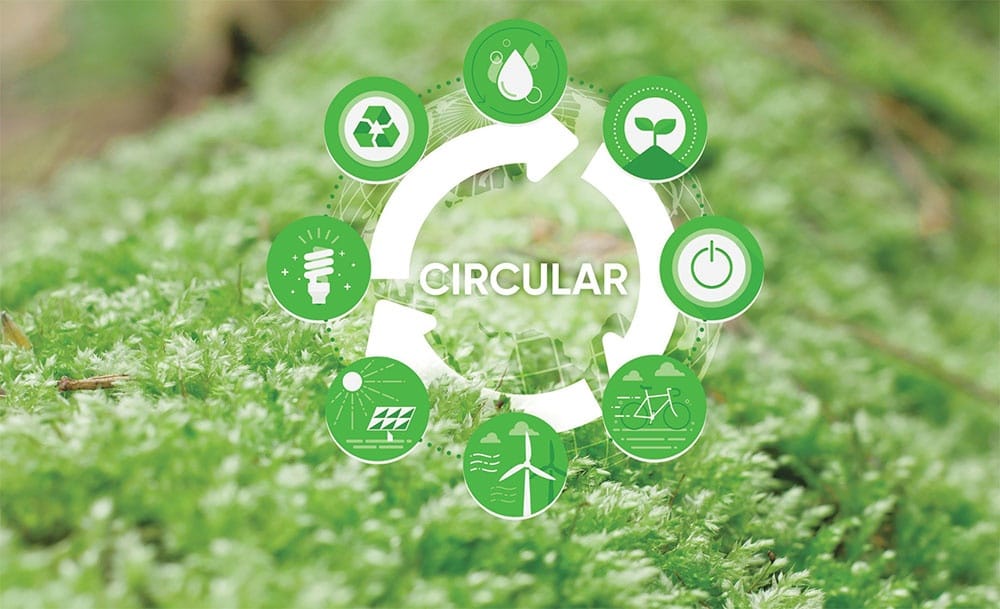
One material that embodies the principles of the circular economy like no other is bamboo. With its remarkable sustainability and regenerative characteristics, bamboo is a perfect fit for this evolving economic model. Unlike traditional timber, which takes decades to mature, bamboo reaches full maturity in just 3 to 5 years. Its rapid growth means it can be harvested repeatedly without depleting the land, making it a resource that continually replenishes itself—a cornerstone of the circular economy.
But bamboo’s role in the circular economy goes beyond its regenerative ability. Almost every part of the bamboo plant can be utilized, from its sturdy culms for construction materials to its fibers for textiles, and even its roots for bioenergy. This comprehensive use of bamboo reduces waste and promotes a circular economy by ensuring that little to nothing goes unused. As industries around the world look for ways to reduce their environmental footprint, bamboo provides a sustainable solution that supports not only waste reduction but also the creation of renewable, high-quality products that can be cycled back into use again and again.
As we dive deeper into the potential of bamboo, it becomes clear: this humble grass is far more than just a building material. It is an embodiment of circular economy principles in action—offering a sustainable, regenerative solution to some of our most pressing environmental challenges.
Bamboo’s Natural Regeneration and Its Environmental Benefits
Bamboo’s Fast Regeneration: A Natural Sustainable Resource
One of bamboo’s most exceptional characteristics is its ability to regenerate rapidly after being harvested, making it an incredibly sustainable material within the circular economy. Unlike trees that can take decades to mature, bamboo grows at an extraordinary pace—some species can grow up to 3 feet (about 1 meter) per day. When bamboo is harvested, its extensive root system remains intact in the soil, allowing new shoots to quickly emerge, often within a matter of weeks. This regenerative process ensures that bamboo can be continuously harvested without exhausting the land, unlike timber, which requires long periods to recover.
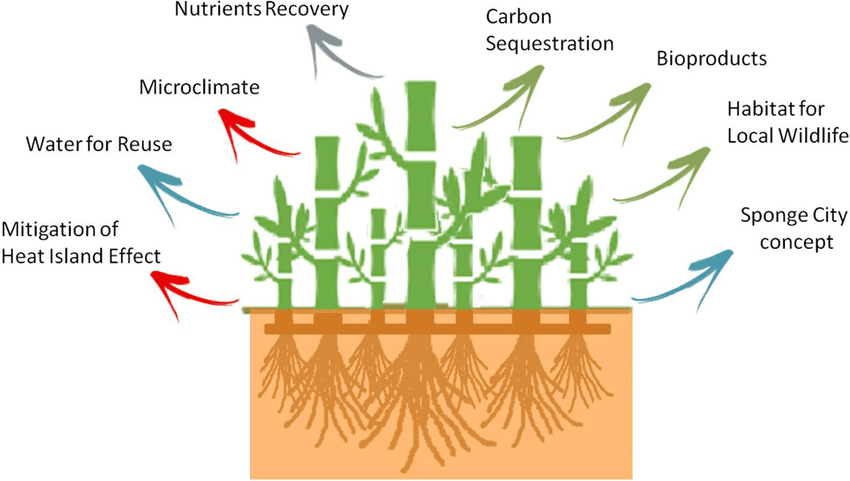
This regenerative nature of bamboo directly benefits the environment. Since it doesn’t require replanting after each harvest, bamboo preserves valuable topsoil and prevents the risks of soil erosion. It also reduces the strain on ecosystems and land resources, contributing to a healthier environment. In the context of the circular economy, this perpetual growth cycle of bamboo ensures a consistent and sustainable supply of raw material without depleting natural resources, which aligns perfectly with one of the fundamental principles of the circular model—maintaining a regenerative flow of resources.
The long-term sustainability of bamboo also means that it can be cultivated without over-exploiting the environment. Bamboo farming can even support biodiversity, as bamboo groves provide shelter for various wildlife species. As such, bamboo can be seen as a cornerstone material in the quest for a truly sustainable and circular economic system, where resources are used in a way that promotes regeneration rather than depletion.
Reducing Waste and Pollution: Bamboo’s Role as a Low-Waste, Fully Recyclable Material
Bamboo is a low-waste material, playing a pivotal role in the fight against environmental pollution and waste accumulation. Every part of the bamboo plant can be utilized in some way—stems, leaves, and even the roots, all of which have their own distinct uses. After bamboo is harvested, its versatility shines through as it can be processed into an array of products such as flooring, textiles, paper, construction materials, and even packaging. This extensive use of the bamboo plant eliminates waste at every step of the production process.
Bamboo’s waste reduction potential is most apparent when considering its life cycle. Unlike many other materials, which require significant energy and resources to process or break down, bamboo can be completely recycled at the end of its useful life. This means that bamboo products, once they reach the end of their service, can either be composted, broken down to produce new items, or repurposed into biomass for energy generation. For instance, bamboo scraps from manufacturing processes are often repurposed to fuel energy production, reducing reliance on fossil fuels and promoting a cleaner, more sustainable energy model.

Additionally, bamboo’s biodegradability plays a key role in reducing the impact of waste pollution. Unlike plastic, which can take hundreds of years to decompose, bamboo decomposes naturally and quickly without releasing harmful chemicals into the environment. This rapid biodegradation helps keep landfills less crowded and reduces the overall environmental burden of non-renewable waste.
In the broader context of the circular economy, bamboo’s low-waste and fully recyclable nature underscores its alignment with the principles of resource conservation and pollution reduction. It contributes to the minimization of waste at every level—whether through its rapid regeneration, the efficient use of all its components, or its ability to be fully recycled or repurposed once its initial product life ends. This makes bamboo not only an environmentally friendly material but also an integral part of the circular economy’s goal to create a system where resources are constantly reused, remanufactured, and restored.
Bamboo in Construction: A Sustainable Alternative
Bamboo as a Building Material: Revolutionizing Construction with Sustainability
Bamboo has long been used as a building material, particularly in Asian cultures, but its potential as a sustainable alternative in modern construction is increasingly being recognized worldwide. As the construction industry looks for more eco-friendly and cost-effective materials, bamboo has emerged as a prime candidate due to its rapid growth, strength, and versatility. The material is already being utilized in various construction applications, such as plywood, beams, slats, wall panels, and even flooring.
One of bamboo’s most remarkable features is its strength-to-weight ratio, making it a suitable material for both structural and non-structural components. Bamboo is often compared to traditional construction materials like wood, steel, and concrete, and it is found to be competitive in terms of both strength and flexibility. In fact, certain species of bamboo, such as Moso and Guadua, have been shown to possess tensile strength comparable to steel, making them perfect candidates for building structures like bridges, scaffolding, and even residential homes.
Furthermore, bamboo can be processed into various forms to meet the specific needs of construction. Bamboo plywood and engineered bamboo products are now being used for interior and exterior applications, offering an eco-friendly alternative to traditional wood-based plywood. These products, made from bamboo strips laminated together, offer superior durability and strength while retaining the material’s natural beauty. Bamboo is also used in flooring systems, furniture, and even decorative wall panels, providing a sustainable, stylish, and functional alternative to conventional materials.

By replacing conventional building materials with bamboo, the construction industry can reduce its dependence on timber from slow-growing trees, which are often harvested unsustainably. Bamboo’s rapid growth and ability to regenerate without replanting ensure that it remains a sustainable source of material for the construction sector. This shift to bamboo aligns with the principles of the circular economy, where materials are used efficiently and in a way that minimizes environmental impact.
Environmental Benefits in Construction: Bamboo’s Contribution to Reducing Carbon Emissions
Bamboo’s environmental benefits extend far beyond its regeneration speed and low environmental footprint during cultivation. When used in construction, bamboo can dramatically reduce the carbon emissions associated with building materials. The production of traditional building materials such as steel, concrete, and plastic often involves energy-intensive processes that emit large amounts of carbon dioxide into the atmosphere. In contrast, bamboo requires far less energy to process and produce, resulting in a significantly lower carbon footprint.
The ability of bamboo to absorb carbon dioxide during its growth further enhances its value in the circular economy. Bamboo forests act as carbon sinks, sequestering large amounts of CO2, which helps mitigate the effects of climate change. This process of carbon sequestration is a crucial element in the push for sustainable construction practices, as buildings made from bamboo essentially “trap” carbon, keeping it from being released back into the atmosphere.
In terms of lifecycle impact, bamboo also outperforms many other construction materials. For instance, the energy required to harvest and process bamboo is relatively low compared to that needed for concrete or steel. Additionally, bamboo’s biodegradability at the end of its life ensures that it does not contribute to the growing issue of construction waste, making it an ideal material in the context of sustainable design and circular economy principles.
Bamboo also serves as an excellent alternative to materials that are harmful to the environment, such as plastics and metals. By using bamboo in place of these polluting materials, the construction industry can reduce its reliance on fossil fuels and toxic chemicals. Bamboo-based alternatives such as bamboo composites, which replace plastic and metal components in construction, can significantly lower the carbon emissions generated by the manufacturing and transportation of these materials.
Moreover, as a renewable resource, bamboo has the potential to replace environmentally harmful products like plastic pipes, containers, and even synthetic insulation, providing a comprehensive solution to pollution and resource depletion. Bamboo, therefore, plays a critical role in the transition toward a more sustainable, circular economy, contributing to environmental conservation while also addressing the growing demand for eco-friendly alternatives in the construction industry.
By expanding its role in construction, bamboo offers a multi-faceted solution to the environmental challenges posed by traditional building materials. From reducing carbon emissions to minimizing waste and providing a renewable, low-impact material for construction, bamboo is proving itself to be an invaluable resource in the shift toward a more sustainable and circular economy.
Bamboo and Energy Generation: A Resource with Multiple Uses
Bamboo By-products for Energy: Turning Waste into Renewable Power
Bamboo’s versatility extends beyond its role in construction and manufacturing; it also holds significant potential for renewable energy generation. The by-products of bamboo, such as its leaves, roots, and sawdust, are often seen as waste in the traditional supply chain. However, in the context of the circular economy, these by-products are being reimagined as valuable resources in energy production.
One of the most promising applications of bamboo in energy generation is the use of its biomass for bioenergy. Bamboo biomass, including leftover stems, leaves, and sawdust, can be processed to produce biofuels, which are a cleaner, more sustainable alternative to fossil fuels. Through the processes of combustion, gasification, and fermentation, bamboo can be transformed into various forms of energy, including electricity, heat, and bioethanol.
In addition to its primary stalks being used for construction and other products, the less-utilized parts of bamboo become valuable sources of renewable energy. In fact, bamboo is one of the fastest-growing plants in the world, meaning that large quantities of biomass can be harvested in a short period. This quick regeneration makes bamboo an ideal material for sustainable bioenergy production, offering a renewable energy solution that is replenished on a regular basis, unlike fossil fuels that take millions of years to form.

The global push for cleaner energy solutions has opened doors for bamboo to play a key role in reducing reliance on coal and natural gas, which are major contributors to carbon emissions. By integrating bamboo biomass into energy production systems, we can reduce the demand for non-renewable energy sources and help mitigate the environmental damage caused by conventional fuel extraction and use.
Bamboo as a Sustainable Fuel: Contributing to a Circular Economy
Bamboo is not only an eco-friendly building material but also a powerful contributor to the circular economy through its use as a sustainable fuel. Biomass energy generated from bamboo is considered carbon-neutral, as the CO2 emitted during combustion is balanced by the carbon absorbed by bamboo during its growth. This makes it a far more environmentally-friendly alternative to fossil fuels, which release large quantities of greenhouse gases into the atmosphere when burned.
Several bioenergy facilities around the world are now exploring the use of bamboo as a sustainable fuel in the form of pellets, chips, and briquettes. These bamboo-based fuels are ideal for biomass power plants and are particularly well-suited for district heating systems, industrial boilers, and even residential heating. By utilizing bamboo in energy generation, we can reduce the environmental impact of traditional heating methods while simultaneously supporting the principles of the circular economy.
The process of converting bamboo into biofuels is both efficient and environmentally friendly. Unlike coal or natural gas, which require extensive mining and drilling, bamboo can be harvested sustainably without damaging ecosystems. In fact, bamboo has the unique ability to grow back quickly after being harvested, meaning that energy production can continue year after year without depleting resources. Additionally, bamboo is highly efficient in capturing carbon dioxide during its growth cycle, further enhancing its role in reducing global carbon emissions.
The use of bamboo as a fuel source also contributes to waste reduction. By transforming agricultural and forestry residues into usable energy, the circular economy is further supported by keeping materials in use rather than allowing them to go to waste. In this way, bamboo is not only a renewable resource but also an important tool in reducing the environmental burden of waste disposal, all while providing a clean, sustainable source of energy for communities around the world.
Bamboo’s potential as a renewable energy source highlights its adaptability and immense contribution to a more sustainable future. As both a building material and an energy source, bamboo aligns perfectly with the values of the circular economy, helping to close the loop of resource use and reduce dependence on fossil fuels. By embracing bamboo as a sustainable fuel, we can reduce greenhouse gas emissions, lower our carbon footprint, and ensure a more resilient, renewable energy future.

Conclusion
Bamboo’s role in the circular economy is becoming increasingly crucial as we look to the future of sustainable resource management. Its remarkable properties—rapid growth, renewability, and environmental benefits—position bamboo as a key player in the shift away from traditional, resource-intensive materials. The long-term impact of bamboo on the circular economy cannot be overstated; its ability to regenerate naturally without depleting the earth’s resources makes it a symbol of sustainability. As industries move toward more responsible practices, bamboo provides an eco-friendly alternative that aligns with the values of recycling, reducing waste, and conserving natural resources.
The need for sustainable materials like bamboo is more urgent than ever. From reducing carbon footprints in construction and energy generation to addressing agricultural waste and plastic pollution, bamboo offers a solution across multiple sectors. Its versatility allows for a wide range of applications—from renewable energy production to construction, and even fashion and packaging—demonstrating its potential to significantly contribute to environmental preservation.
However, the transition to a circular economy using bamboo cannot happen overnight. It requires concerted efforts from businesses, governments, and consumers to adopt bamboo-based solutions and encourage innovation. The success of this transition depends on ongoing research and collaboration to unlock bamboo’s full potential in a sustainable, circular system. Businesses that invest in bamboo, such as Bamboo Supplier, are already paving the way by offering high-quality bamboo products that are designed to support the circular economy. Through their commitment to sustainability and innovation, they exemplify how companies can lead the way in integrating bamboo into the fabric of the circular economy.
As we move forward, the call to action is clear: it’s time for communities, industries, and individuals to embrace bamboo as a sustainable alternative. By doing so, we can contribute to a cleaner, greener future and accelerate the transition to a truly circular economy. Bamboo is not just a resource—it’s a catalyst for change, and the future of the planet depends on the choices we make today.
To explore how Bamboo is not only supporting the circular economy but also driving community transformation, check out our article on Poor Communities Transformed Thanks to Bat Do Bamboo Shoots.