

Bamboo fences have become an increasingly popular choice for individuals and businesses looking for a sustainable, aesthetically pleasing way to enclose spaces. If you’re interested in adding this eco-friendly option to your space, you might be asking, “how to import bamboo fence from Vietnam?” The process of importing bamboo fences from Vietnam can seem complicated, especially when you consider finding the right supplier, navigating customs regulations, choosing the right type of bamboo, and ensuring proper installation. However, with the right information, it can be a smooth and cost-effective process.
This guide will walk you through each step to ensure that you not only successfully import bamboo fences from Vietnam but also choose the right products for your needs. By the end, you’ll be equipped with the knowledge to confidently make decisions, find reliable suppliers, and navigate the customs and shipping processes.
Finding a Reliable Supplier and Negotiating Contracts
Before diving into the logistics of how to import bamboo fence from Vietnam, let’s explore why Vietnam is an ideal source. Vietnam is known for its high-quality bamboo, which is abundant due to its tropical climate. Bamboo from Vietnam is environmentally friendly, strong, durable, and versatile. Additionally, labor costs are lower in Vietnam, which translates to more affordable pricing for high-quality bamboo products.
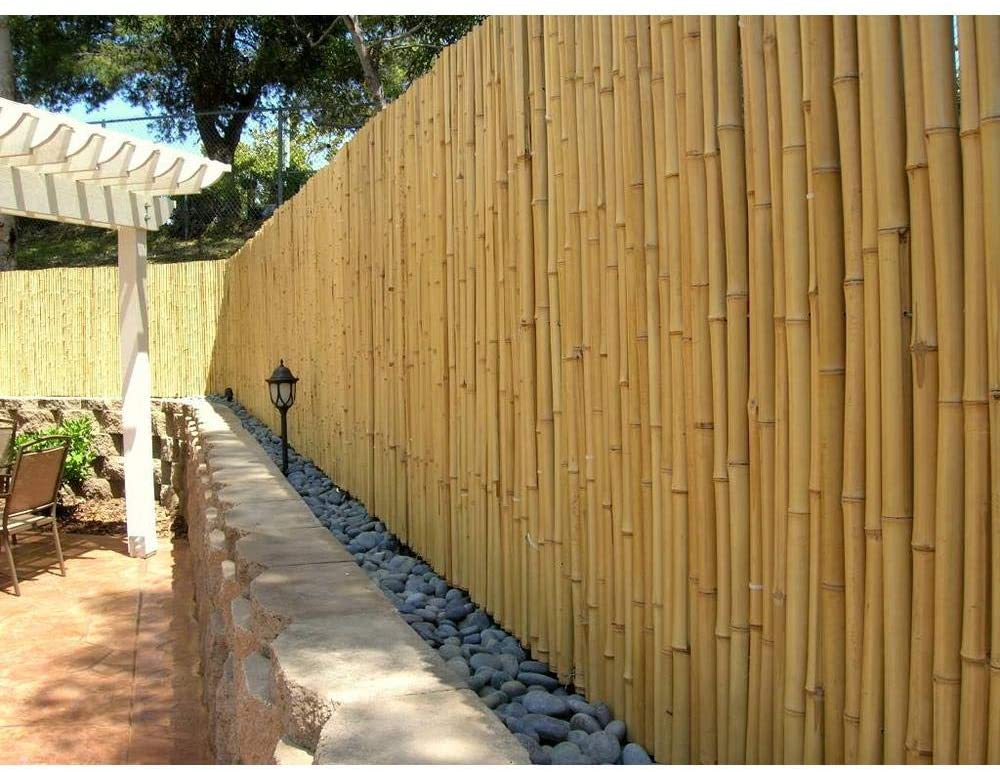
Choosing bamboo fences not only adds natural beauty to your property but also supports eco-friendly practices. Vietnam’s bamboo industry places emphasis on sustainable harvesting and treatment methods that ensure the bamboo you import is both durable and environmentally responsible. Now, let’s move on to the steps involved in learning how to import bamboo fence from Vietnam.
Criteria for Choosing a Supplier
When searching for suppliers, you’ll want to consider several factors. First, look for suppliers with extensive experience in exporting bamboo products. Companies that have been in the industry for many years will have more knowledge about international shipping logistics and quality control. Experience often translates into better customer service, as these suppliers understand the challenges that can arise during the import process and know how to address them.
Quality should also be a priority. Ensure that the supplier has certifications like the FSC (Forest Stewardship Council) certification, which guarantees that the bamboo is sourced sustainably. It’s also helpful to check customer reviews or request samples before committing to a large order. The quality of bamboo can vary significantly depending on how it’s harvested, treated, and prepared for export.
Cost is another important consideration. Bamboo fences from Vietnam are known for being affordable, but prices can fluctuate depending on the type of bamboo, size of the order, and customization options. It’s essential to get a detailed quote that includes all potential costs, such as shipping, taxes, and any additional fees. When figuring out how to import bamboo fence from Vietnam, the first step is to find a reliable supplier. This is a crucial part of the process, as not all suppliers will meet your standards in terms of quality, cost, and reliability.
Finally, you should consider the supplier’s ability to meet your order requirements. This means checking if they can produce the quantity you need, within your time frame, and to your specific design specifications. Some suppliers offer customization options for bamboo fences, allowing you to choose the design, color, or size that fits your project.
Where to Find Bamboo Fence Suppliers
There are several ways to find reliable bamboo fence suppliers in Vietnam. One of the best places to start is at trade shows and expos that focus on international exports. Events like the Vietnam Expo and VIFA Expo are excellent opportunities to meet with manufacturers in person, view samples of their products, and establish a direct relationship. These events also allow you to compare multiple suppliers in one location, making it easier to find the right fit.
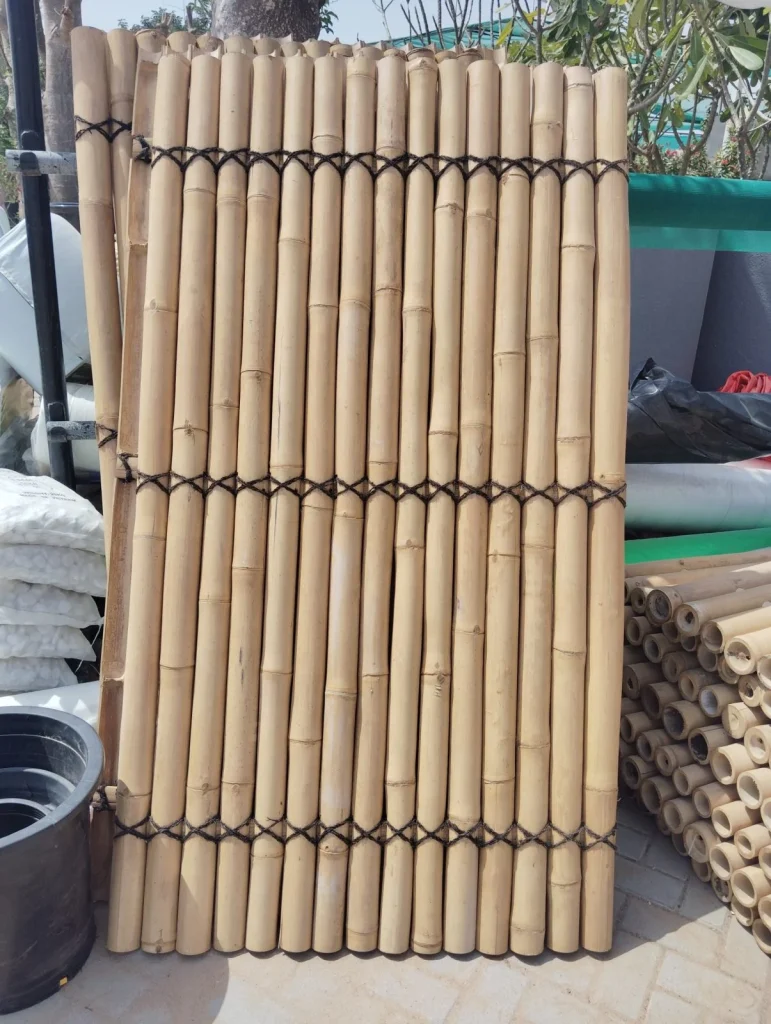
Another popular method is to use B2B platforms such as Alibaba, where many Vietnamese bamboo manufacturers list their products. While this is a convenient way to search for suppliers, it’s important to be cautious and vet any potential partners thoroughly. Always ask for references and samples, and look for suppliers with high ratings and positive reviews.
Finally, you can find suppliers through referrals from business contacts or industry partners who have successfully imported bamboo from Vietnam. Referrals can provide peace of mind, as they come from trusted sources with firsthand experience working with the supplier. By ensuring your supplier meets these standards, you’re one step closer to mastering how to import bamboo fence from Vietnam successfully.
Key Contract Elements
When determining how to import bamboo fence from Vietnam, contract negotiations are an essential phase. The contract needs to cover every aspect of the deal to prevent misunderstandings.
Once you’ve found a supplier, the next step in learning how to import bamboo fence from Vietnam is negotiating a contract. Your contract should clearly define all aspects of the deal to avoid any misunderstandings later. This includes product specifications, such as the type and quality of bamboo, dimensions, and any customization options. The contract should also cover the agreed-upon price, payment terms, and delivery timeline.
You’ll also want to include details about shipping and logistics. Specify the delivery method (usually sea freight for large orders) and any additional services, such as packaging and insurance. Some suppliers may offer delivery to your country’s port, while others will only deliver to a port in Vietnam, so it’s essential to clarify this in the contract.
Negotiating a clear contract is important because it not only protects you as the buyer but also helps the supplier understand your expectations. Vietnamese suppliers are generally open to negotiation, so don’t hesitate to discuss price reductions for larger orders or adjustments to payment terms.
Read more: Best Bamboo Fence Manufacturer for Global Importers 2024
Customs Procedures and Shipping Logistics
Navigating customs can be one of the most challenging parts of learning how to import bamboo fence from Vietnam, especially if you’re unfamiliar with the requirements. Every country has its own set of import regulations, and it’s crucial to comply with these rules to avoid fines or delays.
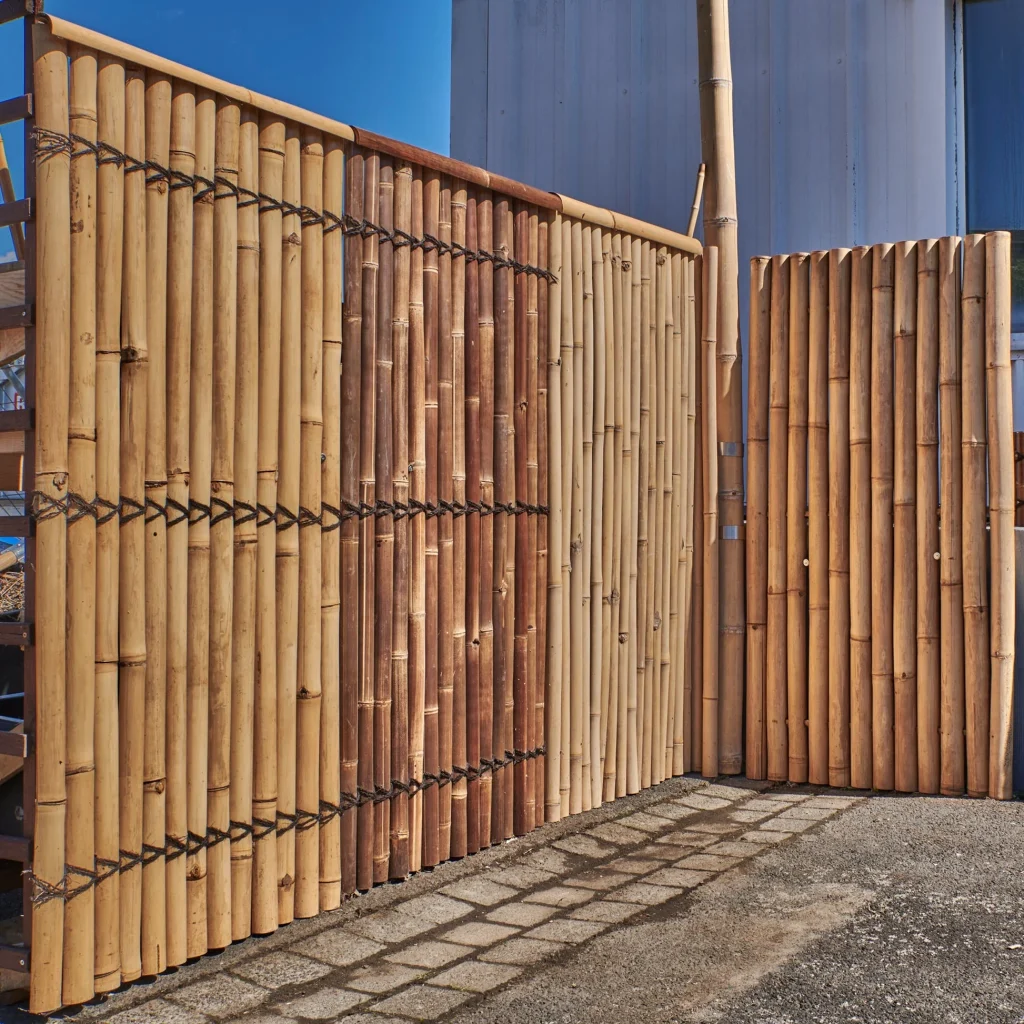
Preparing the Necessary Documents
To import bamboo fences from Vietnam, you’ll need several key documents. The most common ones include the Commercial Invoice, which provides details about the transaction, such as the buyer and seller’s information, the value of the goods, and a description of the bamboo fence. The Packing List is also necessary, as it outlines what is included in the shipment and helps customs officials verify the contents.
In addition to these documents, you will need a Bill of Lading, which acts as proof that the goods have been shipped. Depending on your country’s import regulations, you may also need a Certificate of Origin (CO) to prove that the bamboo was sourced from Vietnam, and a Certificate of Quality (CQ) that certifies the product meets certain quality standards. Some countries require additional certifications, especially for natural materials like bamboo, to ensure that they are free of pests or diseases that could harm the local ecosystem.
Working with a Customs Broker
A customs broker can be an invaluable partner when importing bamboo fences from Vietnam. These professionals specialize in navigating the complexities of customs regulations and can help ensure that your shipment complies with all the necessary laws. They can also assist with the preparation of documentation, payment of duties, and coordination with shipping companies.
Handling Shipping and Freight
The most cost-effective way to import bamboo fences from Vietnam is typically by sea freight. Bamboo fences are often packed in large bundles, so shipping by sea allows for more cost-effective transport, especially for large orders. However, if you need the products quickly, air freight may be a better option for smaller orders, though it will come at a higher cost.
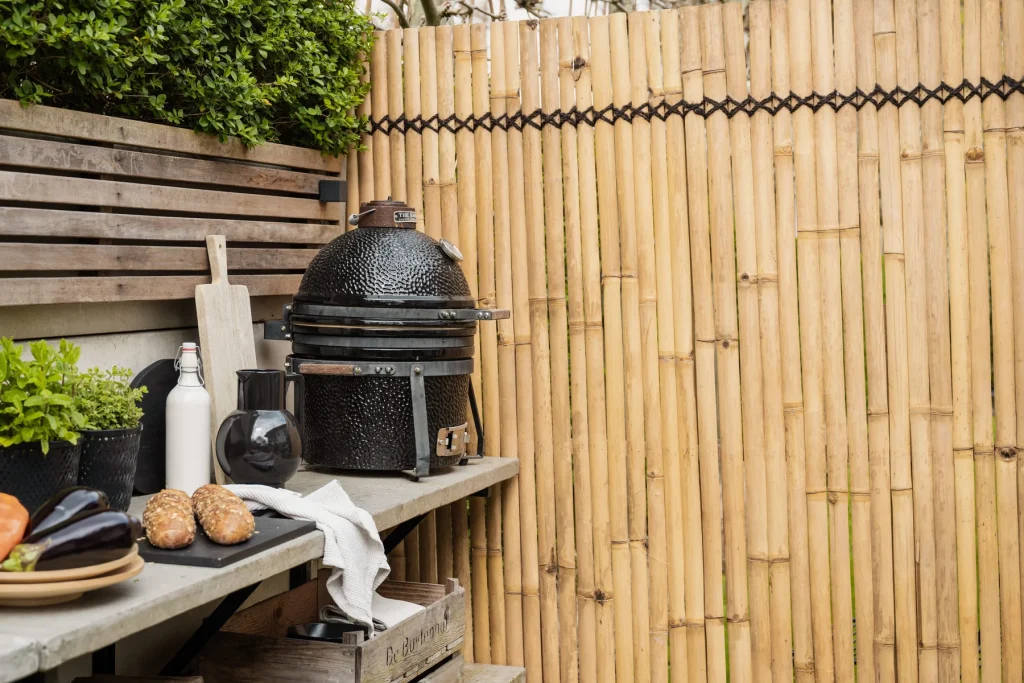
Shipping times will vary depending on your location, but you should expect sea freight from Vietnam to take anywhere from 3 to 6 weeks, depending on the destination. Make sure to account for any potential delays, especially if you’re importing during busy shipping seasons or holidays.
When arranging shipping, it’s also important to consider insurance. Insuring your shipment will protect you in case the bamboo fences are damaged during transit. Many shipping companies offer insurance as an add-on service, but it’s a good idea to compare options to ensure you’re getting the best coverage for your needs.
You can see all of our product here!
Selecting the Right Type of Bamboo Fence
One of the final decisions in how to import bamboo fence from Vietnam is choosing the right type of bamboo fence for your project. Vietnam offers a range of bamboo fence styles, each with its unique properties.
Popular Types of Bamboo Fences
- Natural Bamboo Fence: This type of fence is made from untreated bamboo, maintaining its natural color and texture. Natural bamboo fences are ideal for landscaping projects that require an organic, rustic look. However, they may need more maintenance over time since they are more vulnerable to weather conditions if not treated with preservatives.
- Pressed Bamboo Fence: Pressed bamboo fences are made by compressing bamboo stalks together to create a denser, more durable material. This type of fence is more resistant to wear and tear and has a smooth, consistent surface. Pressed bamboo is often used in modern landscaping designs or for more permanent installations.
- Woven Bamboo Fence: Woven bamboo fences are created by interweaving thin bamboo strips into intricate patterns. These fences are highly decorative and can be used as privacy screens or garden dividers. They offer a unique aesthetic but may require more upkeep to maintain their appearance over time.
Understanding the characteristics of these fences is essential when learning how to import bamboo fence from Vietnam.
Comparing the Different Types
When deciding which bamboo fence to import, you should consider factors such as durability, price, and aesthetics. Pressed bamboo fences tend to be the most durable and long-lasting option, making them suitable for areas that experience harsh weather conditions. Natural bamboo fences, on the other hand, offer a more rustic look but may require additional treatments to withstand the elements.

In terms of price, natural bamboo fences are generally the most affordable, while pressed bamboo and woven bamboo fences may be more expensive due to the additional processing and craftsmanship involved.
When determining how to import bamboo fence from Vietnam, balancing cost, durability, and design is key to making the best decision for your project.
Installation and Maintenance of Bamboo Fences
Once your bamboo fences arrive, the final step in the process of learning how to import bamboo fence from Vietnam is installation. Bamboo fences are relatively easy to install, especially if you have the proper tools and follow the installation instructions provided by the supplier.
Installation Guidelines
Before installing your bamboo fence, make sure you have all the necessary tools, including a hammer, nails, screws, and a measuring tape. Most bamboo fences are installed by securing the bamboo poles to a supporting frame, such as wooden posts or metal stakes.
When installing the fence, be sure to leave adequate space between the bamboo and the ground to prevent moisture from accumulating at the base, which can lead to rot. You can also treat the bamboo with a protective sealant to help it withstand the elements and prolong its lifespan.
Ongoing Maintenance
To keep your bamboo fence looking its best, regular maintenance is key. Bamboo is a natural material, so it’s prone to wear and tear over time, especially in harsh weather conditions. To extend the life of your bamboo fence, clean it regularly with a damp cloth to remove dirt and debris. Applying a protective coat of sealant or varnish every few years will also help protect the bamboo from moisture, sun damage, and pests.
If any bamboo poles become damaged, it’s a good idea to replace them promptly to prevent further deterioration. Many suppliers offer replacement poles, or you can purchase bamboo poles from a local garden center.
Regular maintenance is an essential part of maintaining your investment after learning how to import bamboo fence from Vietnam.
Conclusion
The journey of learning how to import bamboo fence from Vietnam may seem complex at first, but with the right guidance, it becomes an achievable task. By selecting a reliable supplier, handling customs correctly, and choosing the right bamboo for your project, you’ll enjoy a long-lasting and sustainable product that enhances your outdoor space. With a little research and careful planning, importing bamboo fences from Vietnam can offer tremendous value for your home or business.
Tel: +84 338 286 268
Email: [email protected]
Facebook: Bamboo Supplier