
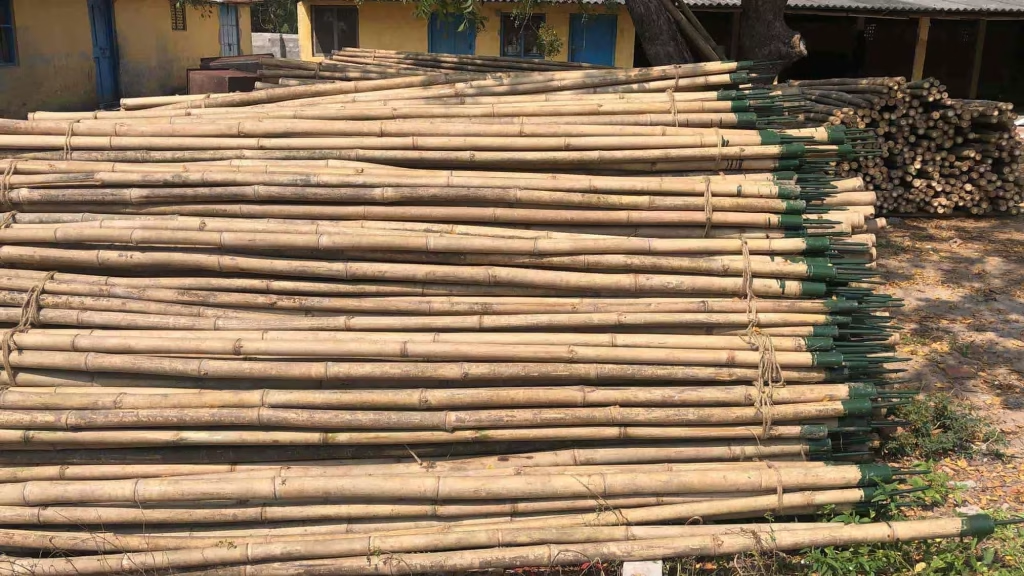
Natural bamboo sticks are increasingly gaining popularity as a sustainable, eco-friendly alternative to many conventional materials. From their rapid growth cycle to their strength and flexibility, bamboo sticks offer a multitude of benefits across various industries. In this article, we will explore the journey of natural bamboo sticks from seed to finished product, the science behind their durability, their diverse applications, and their growing market potential. By the end, you’ll understand why bamboo is not only good for the environment but also a smart investment for businesses and consumers alike.
The Growing Interest in Sustainable Materials
As the world faces pressing environmental challenges, there has been a marked shift towards sustainable materials. Governments, corporations, and consumers are increasingly demanding products that are not only functional and affordable but also have a minimal ecological footprint. In this context, natural bamboo sticks stand out as a viable solution to reduce the reliance on plastic and other non-renewable materials.
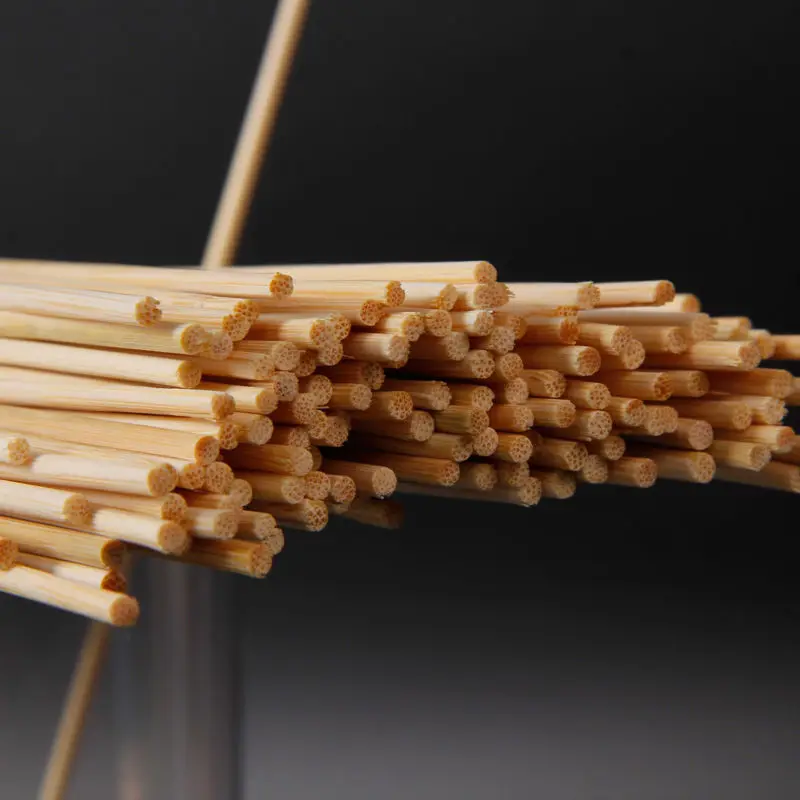
Bamboo grows faster than most plants, making it one of the most sustainable resources on the planet. Unlike trees that can take decades to mature, bamboo is ready for harvest within a few years. This rapid regrowth means bamboo can be harvested without causing long-term damage to ecosystems. Furthermore, bamboo’s ability to thrive in diverse climates adds to its global appeal, with production centers spanning from Asia to Latin America.
The Lifecycle of Natural Bamboo Sticks
Understanding the lifecycle of bamboo offers insight into why natural bamboo sticks are considered a sustainable choice. Bamboo begins as a seed, which, under the right conditions, grows into a mature plant within three to five years. This fast growth rate makes it unique among plants traditionally used for wood-based products, like oak or pine.
Once the bamboo is harvested, it undergoes a series of processes to transform it into natural bamboo sticks. First, the stalks are cut into smaller sections and treated to enhance their durability. The treatment usually involves a combination of drying, curing, and occasionally chemical processes to protect the bamboo from pests and weather. These steps ensure that the bamboo is not only strong but also long-lasting. Bamboo’s natural structure is also beneficial for soil and water conservation, as its roots bind the soil, preventing erosion and retaining water.
Why Bamboo Sticks Are So Strong
One of the most impressive features of natural bamboo sticks is their strength. Despite their lightweight structure, bamboo is often stronger than traditional hardwoods, thanks to its unique fiber composition. Bamboo fibers are aligned in a way that distributes weight evenly across the stalk, allowing it to withstand significant stress without bending or breaking.
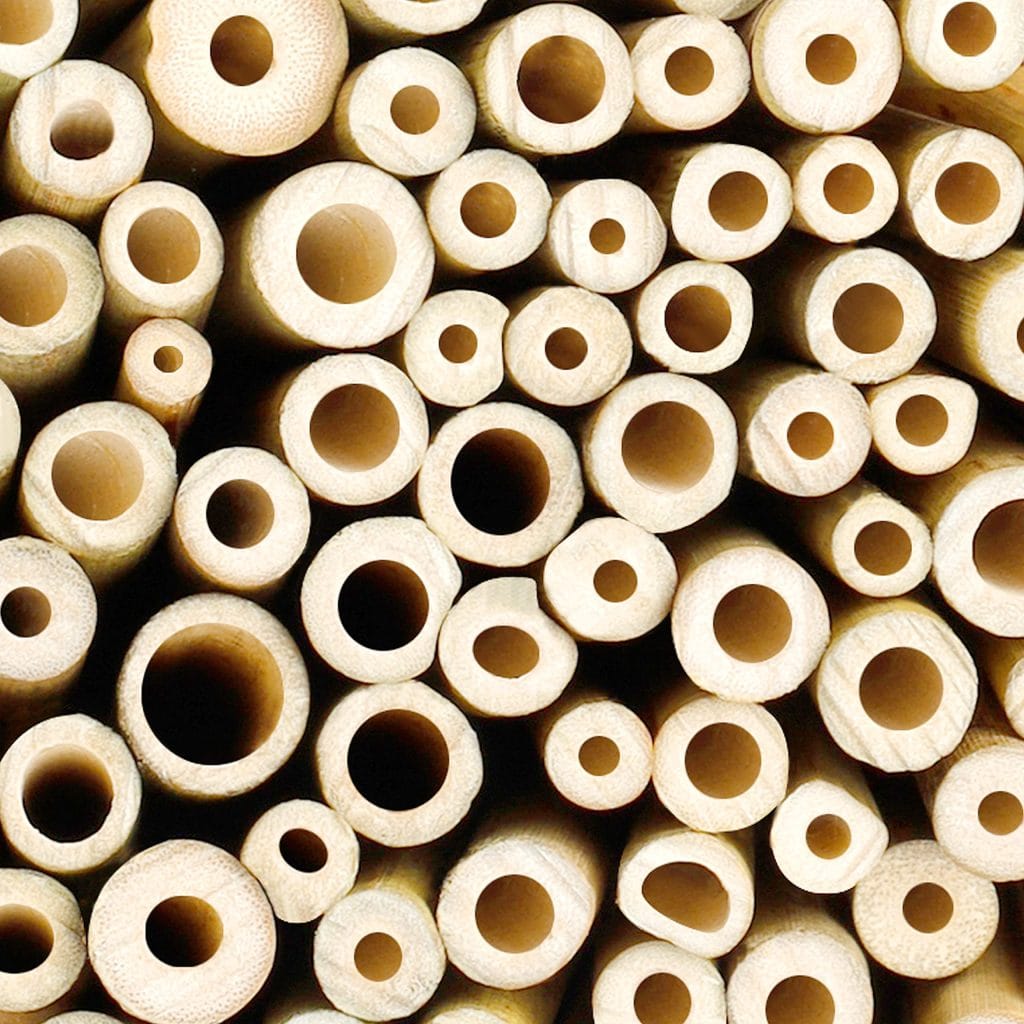
Bamboo’s chemical composition also plays a role in its strength. The presence of silica in the plant helps reinforce its fibers, making it naturally resistant to wear and tear. Additionally, bamboo has a natural ability to repel insects and withstand moisture, which adds to its durability.
This combination of strength and flexibility makes natural bamboo sticks a versatile material for many applications. Whether used in construction, crafting, or gardening, bamboo outperforms many other materials, offering a cost-effective and durable solution.
Applications of Natural Bamboo Sticks in Various Fields
The versatility of natural bamboo sticks is another reason for their growing popularity. In the gardening world, bamboo is a go-to material for creating plant stakes, trellises, and labels. Gardeners appreciate bamboo’s ability to blend seamlessly into the natural environment while providing strong support for climbing plants or vegetables. The durability of bamboo also means that these stakes and trellises can be reused season after season without deteriorating.
Beyond gardening, bamboo sticks are used in construction for scaffolding and as a structural material in eco-friendly building projects. Bamboo’s flexibility and strength make it ideal for structures that need to withstand natural forces like wind and earthquakes. Additionally, bamboo is lightweight, making transportation and handling easier, reducing overall costs.

In the crafting and manufacturing industries, natural bamboo sticks have been used to create a wide variety of products, from furniture and home décor to utensils and musical instruments. Bamboo’s natural aesthetics, combined with its strength, make it an appealing material for eco-conscious consumers looking for sustainable and stylish products.
Even in the culinary world, natural bamboo sticks are commonly used for making skewers, chopsticks, and cooking utensils. These products are not only biodegradable but also heat-resistant, ensuring they remain safe for food use. With increasing awareness of the environmental impacts of single-use plastics, many restaurants and consumers are turning to bamboo as a more sustainable alternative.
The Global Market for Bamboo Products
The market for bamboo products, including natural bamboo sticks, has experienced significant growth in recent years. This surge in demand is driven by a combination of environmental awareness, government incentives for sustainable production, and the versatility of bamboo itself.
Globally, the bamboo industry is projected to continue growing, particularly in regions like Asia, where bamboo has long been a staple material. Countries such as China, India, and Indonesia are major producers, but bamboo cultivation is spreading to other regions, including South America and Africa. The international demand for bamboo products is also rising, with key markets in Europe and North America.
Part of the reason for this growth is the increasing popularity of green building materials. Bamboo is now recognized as a sustainable alternative to wood and steel in construction. Its flexibility, combined with its rapid growth cycle, makes it an appealing choice for eco-friendly building projects. Additionally, governments around the world are introducing regulations to reduce deforestation and promote sustainable materials, which further boosts the market for bamboo.
Opportunities and Challenges in the Bamboo Industry
While there are many opportunities in the bamboo industry, it is not without its challenges. One of the key issues facing bamboo producers is the fluctuating supply and demand for natural bamboo sticks. Because bamboo grows quickly, it is often difficult to predict how much will be needed in a given year. Producers must balance this with the need to ensure sustainable harvesting practices that do not deplete bamboo forests.

Another challenge is competition from other sustainable materials, such as recycled plastics and composite materials. While bamboo has many benefits, other materials can sometimes offer similar functionality at a lower cost. Therefore, bamboo producers must continue to innovate and highlight the unique benefits of bamboo, such as its biodegradability and natural aesthetics.
Despite these challenges, the future of the bamboo industry looks bright. With increasing global focus on sustainability and the ongoing development of new bamboo-based products, there is plenty of room for growth. Companies that invest in bamboo now are likely to benefit from the growing demand for eco-friendly materials in the coming years.
How to Care for Natural Bamboo Sticks
To ensure that natural bamboo sticks last as long as possible, proper care and maintenance are essential. Bamboo is naturally durable, but like any material, it can deteriorate over time if not properly cared for.
First, it’s important to store bamboo sticks in a dry environment to prevent moisture buildup, which can lead to mold and decay. If bamboo is being used outdoors, consider applying a protective coating such as oil or varnish to shield it from the elements. This will help prolong the lifespan of the bamboo and maintain its appearance.
In addition to weather protection, bamboo should be regularly inspected for signs of wear and tear. This is particularly important if the bamboo is being used in structural applications like scaffolding or fencing. By identifying and addressing any issues early, you can ensure that the bamboo remains strong and safe for use.
With proper care, natural bamboo sticks can last for many years, making them an excellent long-term investment for both consumers and businesses.
Why Choose Bamboo Over Other Materials?
There are many reasons to choose natural bamboo sticks over other materials. One of the primary benefits is their sustainability. Bamboo grows quickly and can be harvested without causing long-term environmental damage. Additionally, bamboo products are biodegradable, which means they won’t contribute to landfill waste like plastics and other synthetic materials.
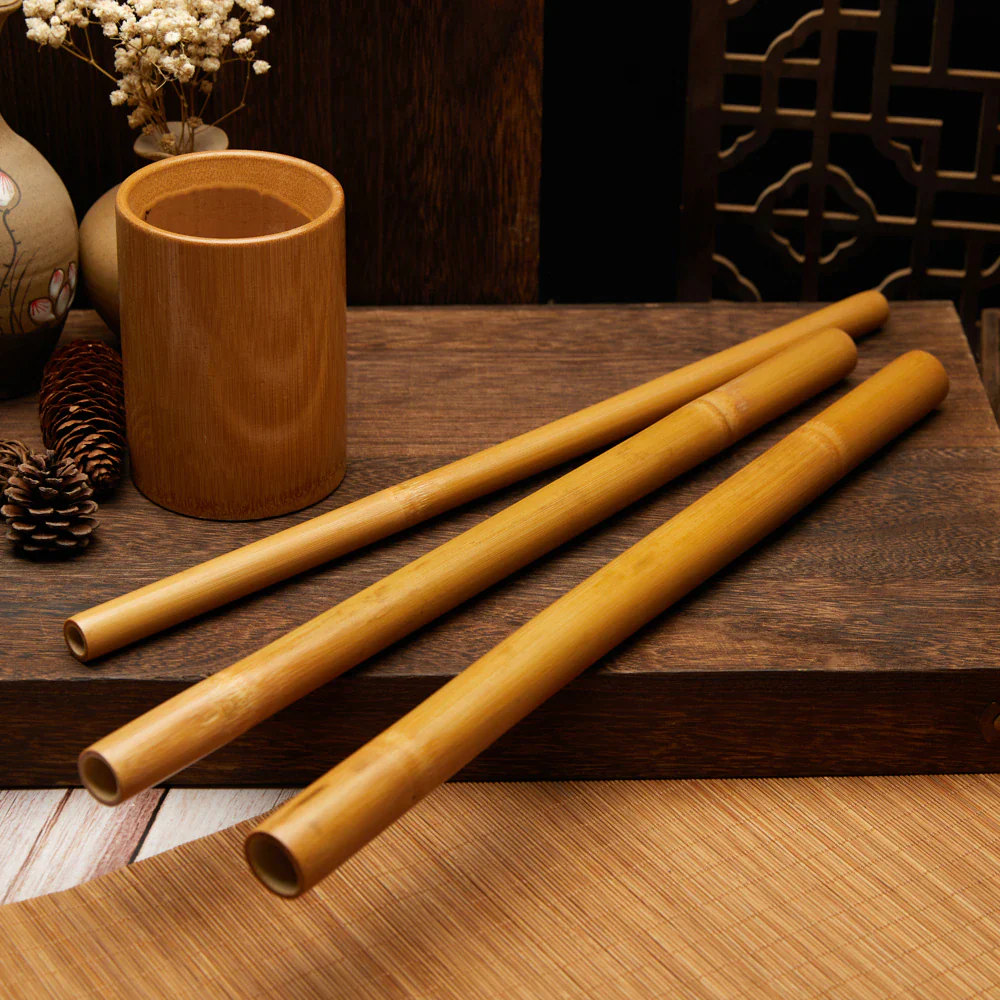
Bamboo is also incredibly versatile. Its combination of strength and flexibility makes it suitable for a wide range of applications, from gardening and construction to crafting and culinary use. Moreover, bamboo’s natural appearance adds an aesthetic appeal that other materials, like metal or plastic, simply cannot match.
Another reason to choose bamboo is its cost-effectiveness. Bamboo is typically less expensive than other sustainable materials, such as hardwood or recycled plastics. This makes it an attractive option for consumers and businesses looking for affordable, eco-friendly alternatives.
Conclusion: A Bright Future for Natural Bamboo Sticks
In conclusion, natural bamboo sticks offer a wide range of benefits that make them an ideal choice for anyone looking for a sustainable, durable, and versatile material. Whether you’re a gardener, builder, or consumer, bamboo provides a cost-effective and eco-friendly alternative to conventional materials. As the world moves toward more sustainable solutions, bamboo is poised to play a critical role in shaping the future of green living.
From its rapid growth cycle to its strength and flexibility, bamboo outperforms many other materials in both function and sustainability. The growing demand for eco-friendly products, combined with the versatility of bamboo, ensures that the market for natural bamboo sticks will continue to expand in the coming years.
If you’re looking to invest in a material that is not only good for your project but also good for the planet, bamboo is the way to go.
Contact Bamboo Supplier today for a free consultation and quote. Let us help you bring your vision to life!
Tel: +84 338 286 268
Email: [email protected]
Facebook: Bamboo Supplier