
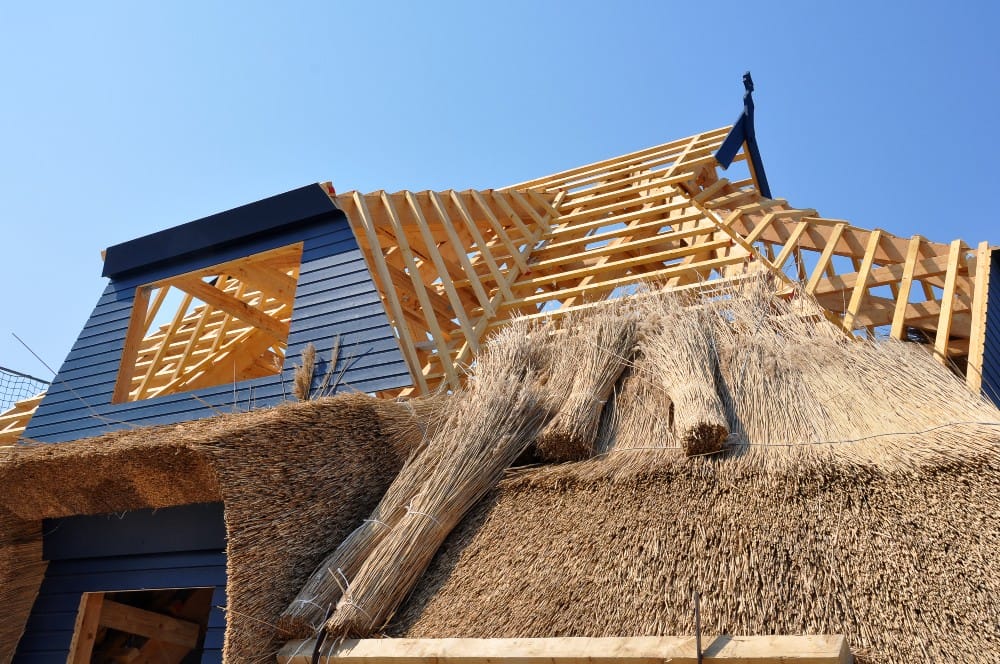
In an era where environmental consciousness is shaping many industries, sustainable building materials have garnered considerable attention. Among these, thatched roofs stand out as a traditional yet resurgent choice in eco-friendly architecture. Historically associated with rural cottages, this roofing option is finding its way back into modern designs, blending sustainability with aesthetic appeal. This article explores why thatched roofs are increasingly favored in green architecture, highlighting their practical benefits within today’s built environment.
Why Are Natural Thatching Materials a Sustainable Choice?
This unique roofing style is crafted from renewable materials like reed, straw, and grasses, which are biodegradable and often locally sourced. Unlike industrial roofing, which consumes significant energy during production, thatched materials require minimal processing, resulting in a much lower carbon footprint. Choosing a thatched covering reduces reliance on materials that require extensive mining, manufacturing, and transportation, making it an eco-friendly option. Additionally, using locally sourced, natural materials supports regional ecosystems and promotes sustainable agricultural practices.
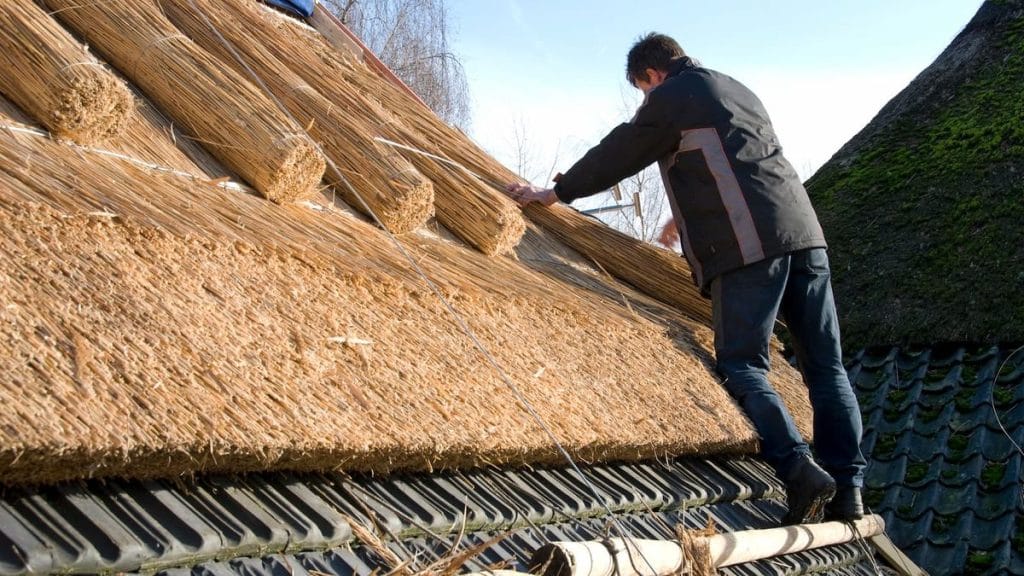
One of the most appealing aspects of natural thatching for environmentally conscious builders is its biodegradability. Unlike synthetic options, this roofing naturally decomposes, preventing landfill waste -an advantage for sustainable construction. Since traditional thatching methods rely on manual labor, installation also consumes less energy, minimizing environmental impact.
The Durability and Longevity of a Thatched Roof
A common misconception is that a thatched roof lacks durability. However, with proper installation and maintenance, it can last several decades, making it a viable long-term choice. Reed, for example, can endure for 40-50 years, while straw typically lasts around 20-30 years. Regular upkeep, such as clearing debris, repairing worn areas, and treating for pests, further extends its lifespan. Local climate also plays a role; temperate or humid areas may require slightly different materials and maintenance methods for optimal longevity.
The layered design of these roofs provides natural water resistance. The steep pitch commonly used allows rainwater to drain easily, minimizing moisture retention. When installed correctly, this roofing style can withstand heavy rain, protecting buildings from leaks or water damage. Additionally, thatched coverings offer natural insulation, keeping interiors warm in colder months and cooler in summer, which can be highly energy-efficient in climates with temperature fluctuations.
How Do These Roofs Perform in Extreme Weather?
Beyond durability, this roofing style performs well across various weather conditions. The natural layering of the thatch provides insulation, keeping interiors warm in winter and cool in summer, which reduces reliance on artificial heating and cooling systems. In regions with mild to moderate climates, these roofs prove highly energy-efficient.
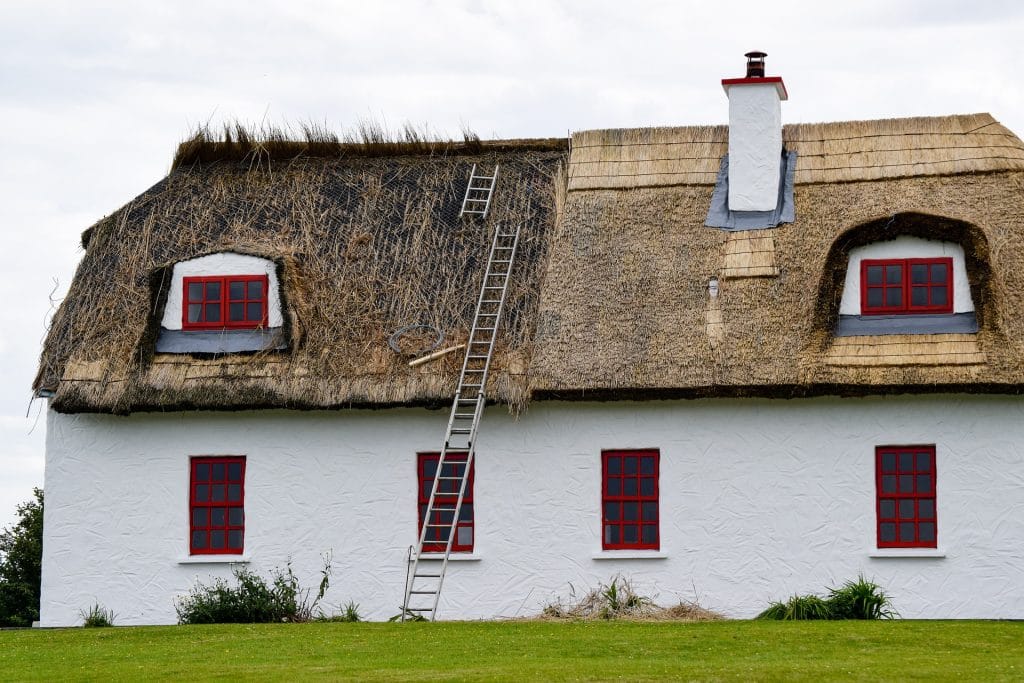
In areas prone to heavy rainfall, this type of roofing shows remarkable water resistance. Its structure prevents water saturation by allowing rain to run off, avoiding mold growth or decay. However, regular maintenance is essential to prevent moisture buildup, which could compromise durability. With these advantages, this sustainable roofing option is gaining popularity in eco-friendly designs.
The Aesthetic Appeal of Thatching in Modern Architecture
Traditionally associated with rural settings, thatching is becoming a valued design feature in urban and contemporary architecture. Its rustic charm contrasts with the sleek lines of modern structures, creating a distinctive visual appeal. With color and texture variations, natural thatching allows for significant creative flexibility, adding character to diverse architectural styles. Modern architects now use it not only as a primary roofing material but also as decorative accents in exterior design, enhancing the organic aesthetic of urban spaces.
As sustainable building materials gain popularity, natural thatching offers an authentic, nature-inspired alternative to synthetic options. Whether it’s used as a primary feature on residential homes or an accent on commercial buildings, this roofing bridges the gap between traditional craftsmanship and forward-thinking design.
Benefits of Thatching in Green Building Projects
Integrating thatching into green building projects is increasingly common due to its environmental and energy-saving benefits. The natural insulation provided by these materials reduces the need for artificial heating and cooling, lowering energy consumption and carbon emissions. When combined with other sustainable materials, thatching contributes to creating eco-friendly and efficient structures.
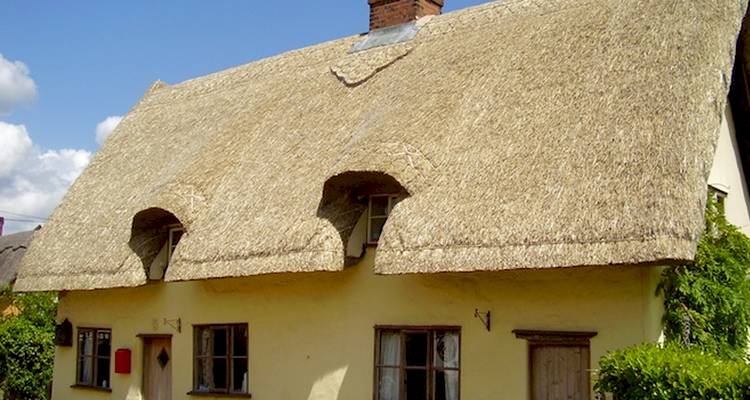
Green building certifications like LEED, BREEAM, and DGNB recognize the sustainability of natural thatching in projects aiming to meet strict environmental standards. These certifications encourage architects and developers to prioritize renewable materials, including natural thatching. Using biodegradable materials like reed and straw also helps reduce the carbon footprint, aligning this roofing method with global sustainability goals.
Cost-Effectiveness in the Long Run
While initial installation costs may be higher than some conventional roofing, thatching offers long-term savings. Its natural insulation properties reduce heating and cooling costs, and minimal maintenance requirements mean lower expenses over time. Where locally sourced materials are available, transportation costs can be reduced, making this roofing style a more affordable choice in the long term.
Another financial benefit of a thatched roof is its longevity. The upfront investment is balanced by an extended lifespan, making it a valuable option for homeowners and developers focused on sustainability and cost efficiency. Consequently, natural thatching is increasingly popular in both residential and commercial green building projects worldwide.
Are There Any Drawbacks to Natural Thatching?
While natural thatching offers numerous advantages, it does present some challenges. Fire resistance is a primary concern, but modern techniques now include fire-retardant treatments, which reduce this risk significantly. Some regions may have specific building codes and regulations for these roofs, which can increase installation costs to ensure fire safety.
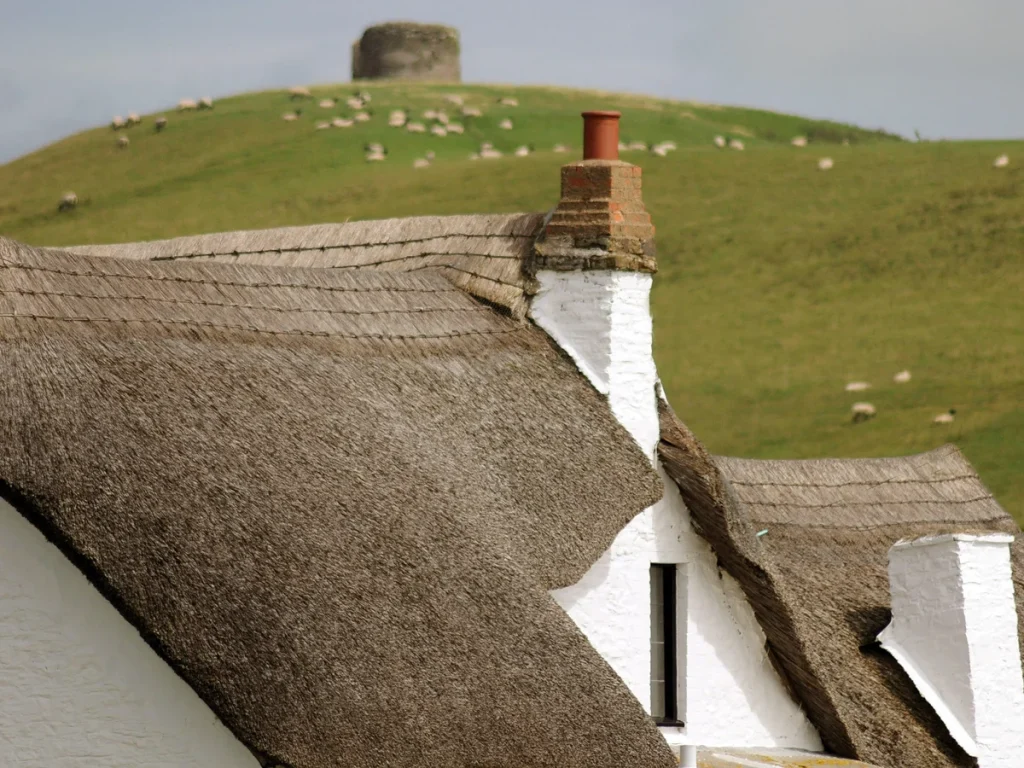
Another consideration is the potential for pest damage. Birds, insects, and rodents are naturally attracted to organic materials, which can lead to wear over time. Regular maintenance and proper installation—including pest-resistant treatments—are essential for reducing these risks. Homeowners may also need to clear away debris periodically to prevent moisture buildup, which, if neglected, could lead to mold or decay.
The Future of Thatched Roofs in Sustainable Architecture
As sustainable architecture continues to evolve, thatched roofs are likely to play an increasingly important role. With ongoing advancements in fire-retardant treatments and durability, these roofs are becoming more practical for modern construction. This resurgence is supported by a growing interest in eco-friendly building practices and a desire to incorporate nature into urban environments. Many architects are exploring innovative ways to use thatched roofs in both traditional and experimental designs, helping redefine their place in contemporary architecture.
Incorporating thatched roofs into green buildings and eco-tourism projects is environmentally responsible and culturally significant, preserving the craftsmanship of thatching and emphasizing the importance of using natural resources sustainably. The future of thatched roofs in architecture appears promising, with new research and technology supporting their integration into a variety of settings.
See our product in here.
Conclusion
Thatched roofs offer a sustainable, cost-effective, and aesthetically appealing option for modern architecture. By combining natural insulation, longevity, and minimal environmental impact, they are a valuable choice for eco-conscious builders and architects. As both a functional and visually distinctive feature, thatched roofs bridge the gap between traditional craftsmanship and contemporary design, helping to create a greener, more sustainable future in construction.
Tel: +84 338 286 268
Email: [email protected]
Facebook: Bamboo Supplier