

Within the verdant world of bamboo, a persistent question lingers: How many bamboo species exist? The pursuit of this answer has been a winding path marked by complexity and ambiguity. While some sources confidently assert specific numbers, like 1,662 or 1,718 known species, such precise figures should be approached with caution. The truth is, definitively determining the exact number of bamboo species remains a challenging endeavor.
Beyond Numbers
Before venturing deeper into the intricate world of bamboo taxonomy, it’s crucial to acknowledge the vast multitude of bamboo subspecies and cultivars, potentially bringing the total count closer to 2,000. Yet, attempting a precise enumeration of bamboo species in their natural habitat remains a daunting task. Even the most extensive bamboo nurseries in Florida or Tennessee may only showcase a fraction of the overall diversity, with perhaps a hundred species at best. The majority of bamboo species dwell in remote, exotic locales like the jungles of Central and Latin America. To truly explore the kaleidoscope of bamboo, one must be prepared to don a pith helmet and renew their passport.
Bamboo Species: An Unfathomable Universe
Trying to count every bamboo species is akin to the audacious tasks of counting stars in the Milky Way or angels dancing on the head of a pin. The sheer scale presents a daunting challenge, but the true complexity lies in distinguishing between variations within a species and those significant enough to warrant separate classification.
Just like humans, each individual within a bamboo species exhibits unique traits, a phenomenon known as phenotypic variation. As bamboo populations disperse and evolve, they gradually diverge, eventually giving rise to new species. However, this concept of “branching” on the evolutionary tree is metaphorical, not literal. You can’t simply examine a bamboo shoot and definitively declare it a new species.
To further complicate matters, bamboo features cultivars or subspecies. When a botanist encounters a novel bamboo variation and can’t definitively classify it as a new species, they may opt to label it a subspecies. But what one botanist calls a cultivar, another may consider a distinct branch on the taxonomic tree.
The Challenge of Bamboo Classification
As bamboo awareness spreads and plant enthusiasts traverse the globe, the endeavor to establish a standardized naming and classification system intensifies. Bamboo species can possess local names that vary from region to region, even island to island. Moreover, the same common name may refer to entirely different species in different locales, and conversely, different common names may denote the same species.
Simultaneously, scientists and specialists embark on global journeys, amassing a wealth of data. As our knowledge base expands, plants once deemed closely related may be reclassified into separate categories, or vice versa. However, it’s vital to remember that Mother Nature doesn’t draw clear lines between species and genera; these taxonomic groupings are human tools to navigate the complexities of the natural world.
Bamboo Categorization: A Three-Tribe System

Botanists classify bamboo as a subfamily, Bambusoideae, within the grass family, Poaceae. Before delving into genera and species, bamboo is divided into three tribes. The most familiar are runners and clumpers, which constitute the first two tribes of woody bamboo. The third tribe, Olyreae, comprises herbaceous or non-woody bamboo primarily found in the Amazon rainforest’s shady understory.
However, even dividing bamboo species into temperate runners and tropical clumpers doesn’t always provide a clear distinction. Bamboo exhibits two primary rhizome systems: pachymorph (clumping) and leptomorph (running). However, the distinction isn’t always clear-cut. Some running bamboos spread slowly, while certain clumping varieties, referred to as open clumpers, expand outwards more than typical clumping types.
Shifting Bamboo Classifications
Among the 90 to 115 genera of bamboo (a debated number in itself), many have undergone substantial renaming and reordering in recent decades. Some bamboo species have a vast array of cultivars, while others remain relatively homogenous with no distinct subdivisions.
Genus Arundinaria
The Arundinaria genus serves as a prime illustration of the dynamic and evolving nature of bamboo classification. Today, only three species of running bamboo native to North America officially belong to this genus. In the past, however, it encompassed as many as 400 species. Over time, many of these bamboo varieties were reclassified into different genera, such as Bashania, Fargesia, Sasa, and more. Notably, these genera include temperate, cold-hardy bamboo, but they don’t all follow the running pattern. Bashania and Fargesia, for instance, represent temperate clumping varieties.
Arundinaria stands out in terms of its geographic distribution, as its three species represent the sole bamboos indigenous to the contiguous United States. Yet, in earlier classifications, Arundinaria was scattered across Asia and even Africa.
Genus Fargesia
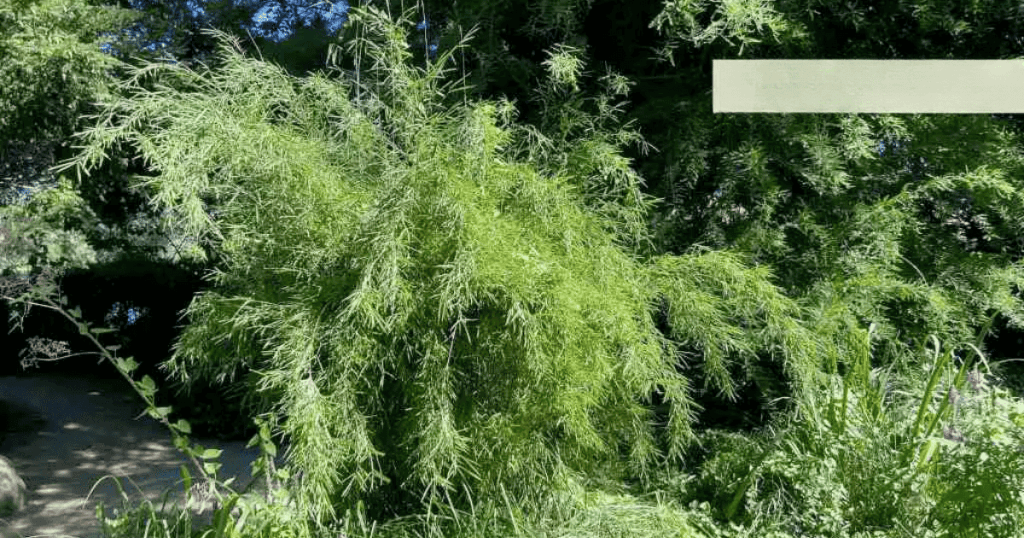
In contrast, Fargesia paints a different picture. This genus encompasses over 80 species of cold-tolerant clumping bamboos, predominantly inhabiting the Himalayas. While some experts consider them tropical bamboos belonging to the Bambuseae tribe, these species have evolved to thrive in harsh climates, with some being native to China and Vietnam. In Europe, Fargesia bamboos are particularly prized for their ability to withstand frigid winters, making them a popular choice in regions with challenging climates.
Bamboo Diversity Knows No Bounds
Bambusa vulgaris, often referred to as “common bamboo,” is another fascinating case. With approximately 150 species (excluding dozens of cultivars), it’s one of the most extensive genera. This Chinese-origin species now thrives across the tropical world, thanks to explorers and seafarers of the 18th and 19th centuries. Over time, Bambusa vulgaris has diversified into a multitude of offspring, including variations with yellow and green culms, striped forms (commonly known as ‘Vittata’ or Painted Bamboo), and other remarkable cultivars.
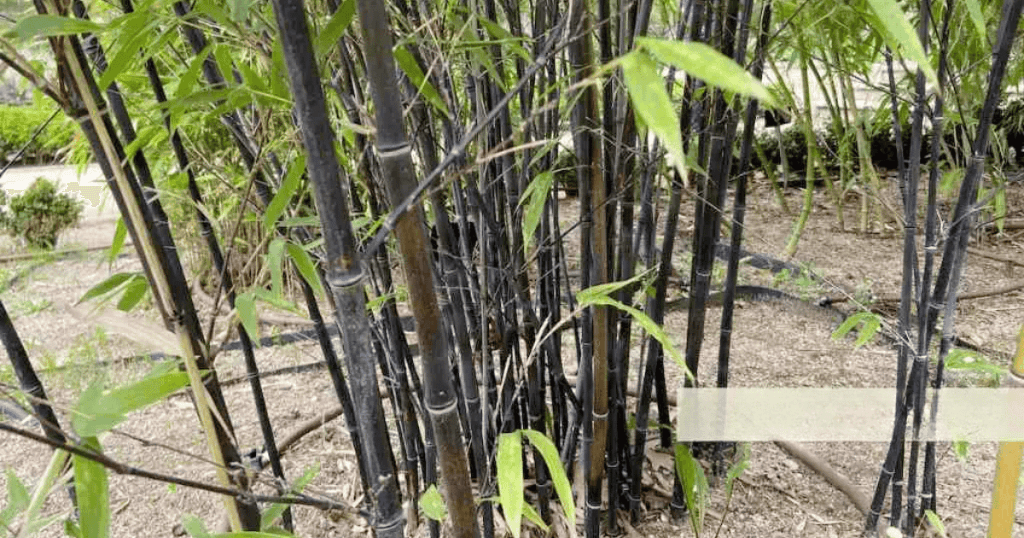
Phyllostachys, encompassing around 50 species of running bamboos, offers a striking contrast to Bambusa vulgaris. Phyllostachys species are known for their vigorous growth and rapid spread, making them popular among gardeners. Notably, Phyllostachys nigra, or black bamboo, is celebrated for its striking, ebony-colored culms. Surprisingly, the giant Henon bamboo, a cultivar of black bamboo, reaches heights exceeding 50 feet and boasts substantial culms, ideal for construction.
Striped cultivars of Phyllostachys, such as P. aureosulcata ‘Spectabilis’ and P. aura ‘Aureocaulis,’ captivate with their unique striping patterns. While these varieties exhibit distinct appearances, they are not considered separate species.

The Ever-Expanding Bamboo Spectrum
In the ongoing endeavor to enumerate bamboo species, nature perpetually reveals new and unexpected discoveries. The equatorial tropics, with their ideal bamboo conditions, host the most rapid proliferation of species. Hybridization and speciation are common occurrences in these regions. Researchers, like Belen Fadrique, continue to make groundbreaking discoveries, unearthing previously undocumented bamboo species.
Furthermore, humans play an active role in breeding, crossbreeding, and developing bamboo hybrids. Bamboo gene editing is on the horizon, and interest in bamboo farming continues to spread to new territories. Consequently, the number of bamboo species remains far from complete. Currently, over 1,600 distinct species have been identified
Tel: +84 338 286 268
Email: [email protected]
Facebook: Bamboo Supplier