
Choosing the right materials for balconies and outside railings is essential, not only for safety, but also for aesthetics, durability, and the overall value of your outdoor space. With a wide range of options available – from traditional hardwoods to modern glass and steel systems, it can be overwhelming to find the perfect match. However, making an informed decision can transform your balcony into a stylish and inviting retreat for relaxation and entertainment.
This guide will walk you through the most popular material types, helping you select the best fit for your specific needs and climate conditions.
What Are Balcony And Outside Railing Systems, And Why Are They So Important?
Balconies and outside railings are more than architectural accents, they are essential structural and lifestyle features that define how we interact with outdoor spaces. Choosing the right system impacts not only safety, but also design coherence, comfort, and long-term property value.

Balconies
A balcony is an elevated outdoor platform that extends from the upper floors of a building. It offers an open-air space for leisure: a place to sip coffee, tend to plants, enjoy the breeze, or simply take in the view. Especially in urban settings, balconies are often the only private outdoor retreat within a residence.
From a design standpoint, balconies expand a home’s usable area while improving ventilation, daylight exposure, and connection to nature. A well-placed balcony adds rhythm to the building’s facade and enhances curb appeal.
Outside Railings
Outside railings are structural safety barriers installed around elevated platforms like balconies, terraces, and decks. Their primary purpose is to prevent falls and ensure user protection, but their role goes much further.
The best outside railings balance functionality and visual harmony. They help define spatial boundaries, create a sense of enclosure, and can either blend with or elevate the overall design aesthetic. Whether made of wood, metal, composite, or glass, railing systems contribute significantly to the outdoor experience.
Well-designed outside railings also offer psychological comfort. They allow users to enjoy their balconies freely and securely, particularly important for households with children, elderly members, or pets. In effect, they transform open ledges into livable outdoor extensions.

Why Integration Matters
When balconies and outside railings are planned as a cohesive system, the results are striking: safer usage, stronger design language, and increased market value. A unified approach ensures durability, optimizes material performance, and enhances the feeling of flow between indoor and outdoor living zones.
Ultimately, investing in quality outside railings and balcony structures is not simply a matter of code compliance. It’s about designing spaces that feel safe, beautiful, and livable, where architecture and lifestyle meet.
Popular Material Options For Balcony Decking And Outside Railings
Selecting the right material for your balcony flooring and outside railings is one of the most critical design decisions for any outdoor project. Not only does it impact safety and long-term durability, but it also defines the visual character of your home’s exterior.

From natural hardwoods to composite blends and modern engineered solutions, each material type comes with its own set of benefits and trade-offs. Your final choice will depend on multiple factors: climate conditions, maintenance expectations, aesthetic goals, budget, and sustainability concerns.
In the following sections, we’ll break down the most widely used materials for balconies and outside railings, helping you evaluate which option best aligns with your project’s vision and practical needs.
Natural Wood
Natural wood remains a timeless favorite for balcony surfaces and outside railing systems, largely due to its organic beauty and tactile warmth. Woods like teak, redwood, cedar, or tropical hardwoods are often chosen for their rich textures and earthy tones, instantly adding depth and coziness to any outdoor setting.
Advantages:
- Aesthetic Appeal: No other material replicates the natural grain, scent, and feel of real wood. It brings a sense of authenticity and rustic charm to outdoor architecture.
- Design Flexibility: Wood can be stained, painted, or left unfinished to match various design styles, from coastal and cottage to minimalist and modern.
- Workability: Easily cut and shaped on-site, natural wood allows for customized railing patterns and detailing.
Limitations:
- High Maintenance Requirements: Wood is inherently porous and vulnerable to moisture, UV radiation, pests, and rot. To maintain its appearance and structural integrity, regular sanding, sealing, and oiling are necessary.
- Weather Sensitivity: Sudden changes in temperature or prolonged exposure to rain and sunlight can lead to warping, cracking, or surface degradation, potentially compromising safety.
- Lifespan Uncertainty: Even with maintenance, wood typically has a shorter outdoor life span than composite or engineered materials, especially in humid or coastal environments.
In short, while natural wood brings undeniable character and warmth to outside railings and balconies, it also requires a level of upkeep and environmental consideration that not every homeowner is prepared for. For those seeking beauty without the burden, alternative materials like composite or modified bamboo may offer a more practical balance, which we will explore in the sections below.
Composite Wood
As outdoor design continues to evolve, composite wood, also known as engineered wood or wood-plastic composite (WPC), has gained widespread popularity for both balcony decking and outside railings. Designed to mimic the appearance of real wood while addressing its key weaknesses, composite materials offer a practical solution for homeowners seeking durability without demanding upkeep.
Composite wood is manufactured from a blend of recycled wood fibers and polymer resins, creating a dense, uniform product that retains the charm of timber but with superior resistance to outdoor elements. Many composite boards also feature protective caps or coatings that enhance fade resistance and scratch durability.
Advantages:
- Minimal Maintenance: Unlike natural wood, composite does not require sanding, staining, or sealing. Routine cleaning with water and mild soap is typically sufficient.
- Weather & Insect Resistance: Composite boards are immune to rot, termites, and fungal decay, making them highly suited for humid or rain-prone climates.
- Fade and Warp Resistance: Quality composite materials remain stable under UV exposure and temperature changes, reducing the risk of cracks, warping, or discoloration.
- Eco-Friendly Composition: By incorporating recycled wood and plastic, composite wood supports sustainable building practices and reduces environmental waste.
These characteristics make composite an excellent candidate for outside railings, particularly in locations exposed to frequent sun, rain, or frost.
Limitations:
- Lacks Authentic Texture: While composite mimics wood grain visually, it may feel less natural to the touch — a factor that some purists may find less satisfying.
- Thermal Sensitivity: In extremely hot climates, darker-colored composite materials can become warm to the touch or slightly soften under prolonged sun exposure.
- Higher Initial Cost (for quality grades): Although long-term savings are significant, premium composite systems may carry a higher upfront price tag than untreated softwoods.
Composite wood excels in residential and commercial settings where appearance matters but convenience is key. For outside railings, it is especially advantageous in multi-unit housing, hospitality spaces, and second homes, places where durability and low upkeep are top priorities.
Whether you’re aiming for a clean modern look or a traditional wood-tone finish, today’s composite systems come in a wide variety of colors and textures, offering flexible design without the lifecycle costs of real wood.
Outdoor Tiles
Outdoor tiles are a popular choice for balcony decking due to their refined aesthetic, structural strength, and broad range of finishes. Available in materials like porcelain, ceramic, natural stone, or concrete, tiled surfaces can elevate the appearance of an outdoor space with minimal design effort.
When paired with complementary outside railings, tiles can create a seamless, high-end look, particularly in modern or Mediterranean-style architecture. However, despite their visual appeal, tiled surfaces come with specific limitations that must be carefully considered.
Advantages:
- High Durability: Quality outdoor tiles offer excellent load-bearing capacity and are resistant to scratches, stains, and heavy foot traffic. They maintain their structural integrity over time when properly installed on a stable subfloor.
- Water and Mold Resistance: Most exterior-grade tiles are non-porous and treated with anti-slip and anti-moisture coatings, making them suitable for wet environments such as balconies, rooftop terraces, or garden decks.
- Design Flexibility: Tiles come in countless colors, textures, and sizes from natural stone finishes to minimalist matte ceramics giving designers and homeowners near-unlimited visual options.
These features allow tiles to serve as a stylish base for outside systems, especially when continuity in material or color is desired across flooring and architectural boundaries.
Limitations:
- Thermal Discomfort: Tiles are poor insulators. In cold climates, they can become uncomfortably cold underfoot, while in hot environments, they may retain and radiate heat, especially darker tones.
- Brittle Under Impact: Despite their compressive strength, tiles can crack or chip under sudden impact (e.g., dropping heavy furniture or tools). Cracked tiles are not only unsightly but also costly to repair, as they often require full replacement sections.
- Slippery When Wet: Smooth tiles can pose a safety hazard in rainy or humid conditions. While textured or anti-slip tiles are available, they may come at a higher cost or limit aesthetic choices.
- Installation Complexity: Proper tiling requires a stable, level surface and expert installation. Poor drainage or subfloor movement can lead to cracks or lifting over time.
Tiles are ideal for homeowners prioritizing visual consistency and low maintenance over tactile comfort. They pair well with sleek metal or glass outside railings, especially in settings where a contemporary, structured look is preferred. However, in areas with children, elderly residents, or high foot traffic, slip resistance and thermal comfort should be weighed carefully.
Thermally Modified Bamboo
As sustainability and innovation reshape the materials market, thermally modified bamboo has emerged as one of the most promising solutions for outdoor applications, particularly balcony decking and outside railings. This engineered natural material combines the visual warmth of hardwood with exceptional strength, longevity, and environmental responsibility.
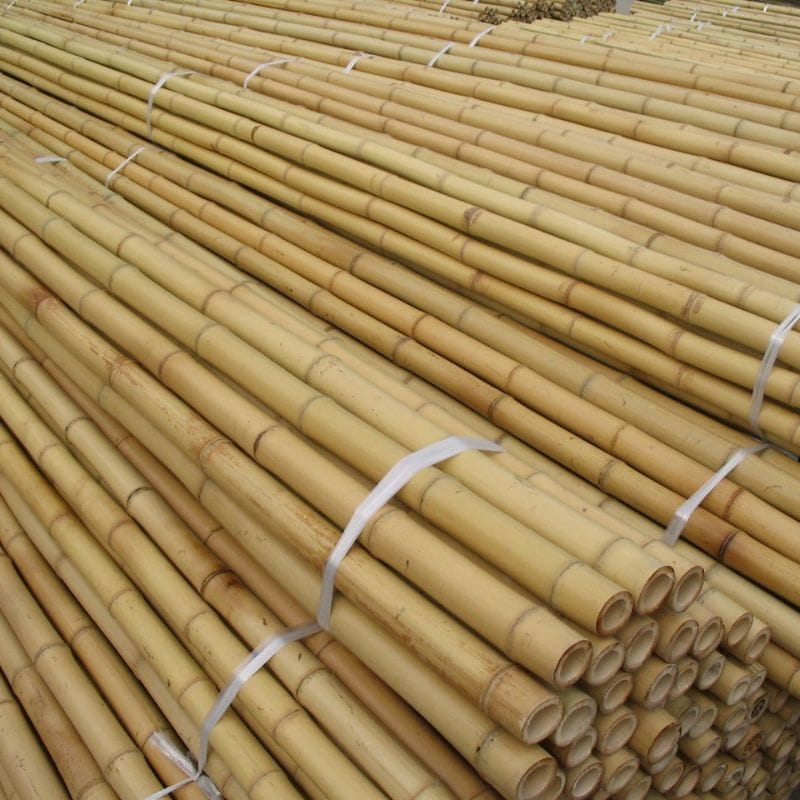
Unlike raw or untreated bamboo, thermally modified bamboo undergoes a specialized transformation process: the fibers are subjected to high temperatures, controlled humidity, and compression under intense pressure. This alters the molecular structure of the bamboo, significantly enhancing its resistance to moisture, mold, insects, and dimensional instability.
The result is a dense, durable product that outperforms many conventional hardwoods and composites, making it highly suitable for demanding outdoor environments.
Why It Excels In Outdoor Use
Thermally modified bamboo is particularly well-suited for outside railings, where safety, exposure, and design intersect:
- Outstanding Dimensional Stability: Unlike natural wood, bamboo does not easily warp, cup, or crack — even after years of exposure to UV rays, rain, or fluctuating temperatures. This is crucial for railing systems that must maintain structural alignment and visual consistency.
- Superior Load-Bearing Strength: High-density compression gives bamboo excellent mechanical performance, suitable for high-traffic balconies, heavy planters, or even commercial terrace installations.
- Moisture and Pest Resistance: The thermal treatment process renders the material biologically inert, offering natural resistance to rot, fungi, termites, and mold — key concerns for any outside railings system.
- Slip-Resistant Surface: Bamboo features a naturally grippy texture, which can be further enhanced with brushed or grooved finishes. This ensures safety even in wet or humid conditions, especially on stair rails or elevated decks.
Aesthetics And Environmental Benefit
Bamboo’s visual appeal is another defining advantage. It offers deep, earthy hues ranging from chocolate brown to weathered gray, along with a smooth grain structure that rivals tropical hardwoods like Ipe or Teak. For projects aiming for a natural, high-end look, bamboo delivers warmth without visual clutter.
From an environmental standpoint, bamboo is unmatched. It’s one of the fastest-regenerating plants on Earth, grows without chemical fertilizers, and sequesters more CO₂ per acre than most trees. The production process for thermally modified bamboo uses no toxic additives, making it a preferred material in LEED-certified and low-impact projects.
For designers and developers focused on sustainable luxury, bamboo offers an elegant convergence of form and function.
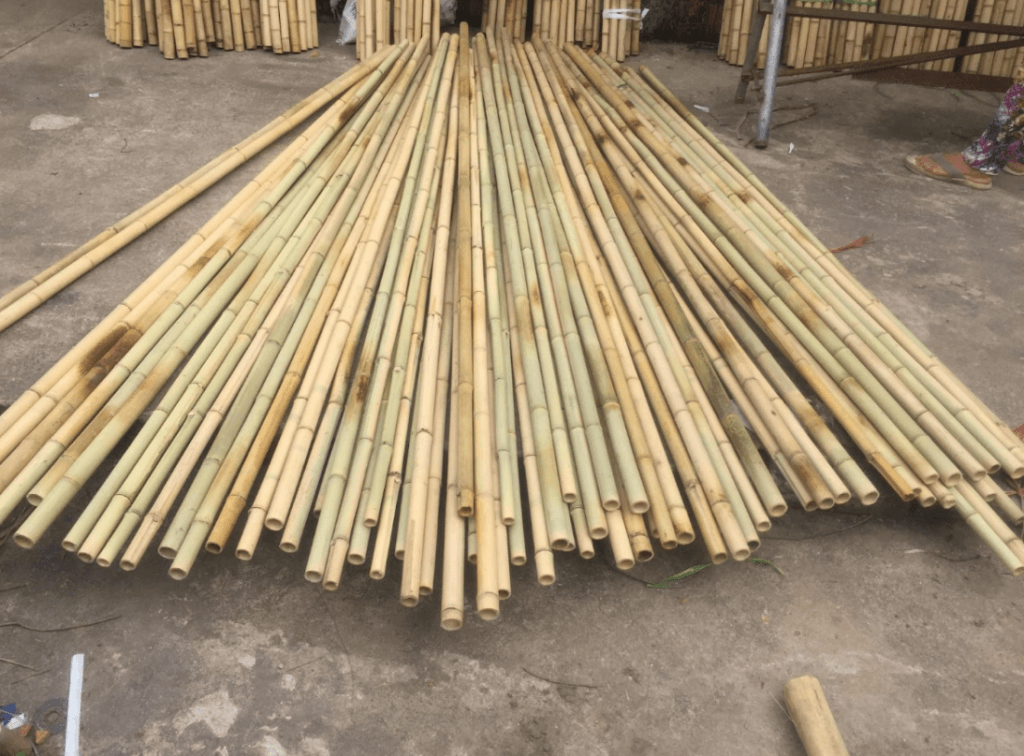
Considerations Before You Choose Bamboo
- Premium Cost: Thermally modified bamboo is a high-end product, with upfront costs that can rival or exceed top-tier composites or hardwoods. However, its long-term durability and minimal maintenance often result in better lifecycle economics.
- Vendor Consistency Matters: Not all bamboo products are created equal. Look for suppliers with certifications (e.g., FSC, ISO, EPD) and proven track records in outdoor installations to ensure performance.
- Color Weathering: Over time, bamboo may naturally fade to a silvery-gray patina, much like hardwood. Some may find this attractive; others may prefer to apply UV-protective finishes to preserve the original color.
For those seeking a material that’s visually refined, structurally resilient, and environmentally progressive, thermally modified bamboo is a standout option. Whether used for handrails, baluster infill panels, privacy screens, or balcony decks, bamboo brings a natural integrity and modern confidence to any outdoor design.
When executed well, a bamboo-based outside railing system doesn’t just support, it elevates.
Choosing The Right Bamboo Supplier For Outside Railings
As the demand for thermally modified bamboo continues to grow in architectural and landscape applications, one factor becomes increasingly clear: the quality of the final structure depends not only on the material itself, but on the supplier behind it. This is particularly true for critical applications such as balcony decking and outside railings, where structural integrity, weather resistance, and aesthetic performance must all be guaranteed over the long term.
A reputable bamboo supplier must go beyond simply offering raw materials. They must demonstrate expertise in outdoor-grade production, a consistent manufacturing process, and a proven understanding of how bamboo performs in exterior environments. For projects involving outside railings, that means sourcing bamboo that has been thermally modified under strict quality control, ensuring low moisture content, high dimensional stability, and enhanced durability against UV exposure, humidity, and biological threats such as mold and termites.
Equally important is the supplier’s experience with real-world installations. A credible bamboo manufacturer should be able to point to completed outdoor projects, especially those involving balcony systems and outside railing structures that have withstood years of environmental exposure. This not only validates the material’s resilience but also reflects the supplier’s ability to deliver consistent quality across different applications and climate zones.

Another critical aspect is technical compatibility. Bamboo used in outside railing systems must meet exacting standards for sizing, load-bearing performance, and surface treatment. Suppliers who provide pre-finished options, customized dimensions, and engineering documentation offer a clear advantage. These added layers of service make it easier for designers, contractors, and developers to integrate bamboo into complex railing systems without compromising either safety or style.
Finally, the best bamboo suppliers act as long-term partners, not just vendors. They support the design process, assist with technical queries, and offer solutions tailored to each project’s unique environmental and architectural context. For anyone considering thermally modified bamboo for outside railings, choosing the right supplier is not a secondary step, it is a core decision that determines the overall success of the installation.
Thermally modified bamboo is redefining the standards for outdoor materials. But only with a trusted supplier can it fully deliver on its promise of longevity, elegance, and sustainability. When it comes to outside railings, where safety meets design, selecting a qualified bamboo supplier is the smartest investment you can make.
This article for your reference: Bamboo Landscaping… The Secret To A Backyard That Just Feels Right
Conclusion
The choice of material for balcony decks and outside railings is more than a matter of design taste, it is a long-term investment in structural integrity, user safety, and outdoor living quality. Traditional wood offers warmth but requires frequent maintenance. Composite provides convenience but may lack authenticity. Tiles bring elegance but often sacrifice comfort and flexibility. In contrast, thermally modified bamboo offers a rare combination: the natural beauty of hardwood, the resilience of engineered materials, and a sustainability profile that aligns with the future of architecture.
For homeowners, architects, and builders seeking a high-performance solution for outside railings, thermally modified bamboo is not just an alternative, it is the benchmark. And behind every exceptional material is a supplier that makes its promise possible.
That is where Bamboo Supplier stands apart.
With years of experience dedicated to the research, development, and manufacturing of outdoor-grade bamboo systems, Bamboo Supplier has earned a reputation for precision, reliability, and design excellence. Their thermally modified bamboo products have been trusted in a wide range of climate conditions and project scales from intimate balconies to commercial-scale outdoor railing systems.
By combining advanced thermal technology with a deep understanding of design needs, Bamboo Supplier has positioned itself not only as a materials provider but as a strategic partner in shaping smarter, more sustainable outdoor spaces. For those who demand performance without compromising aesthetics or ecological responsibility, Bamboo Supplier offers a solution that is both technically sound and architecturally inspired.
In the evolving landscape of exterior construction, where beauty must meet durability, Bamboo Supplier is setting a new standard for what outside railings can be and what they should aspire to become.