

As the demand for sustainable design rises, yard landscaping in commercial settings is entering a new era, one that blends ecological awareness, long-term durability, and aesthetic versatility. In 2025, the push toward greener infrastructure and biophilic design continues to shape how developers, architects, and business owners approach outdoor spaces.
From tech campuses to hospitality venues, modern commercial projects are no longer satisfied with generic lawns or sterile hardscapes. Instead, they seek landscaping solutions that reflect brand identity, environmental values, and low maintenance needs. Among the materials gaining traction, bamboo stands out, offering a unique combination of natural beauty, structural strength, and eco-friendliness that few other resources can match.
Why Commercial Yard Landscaping Is Evolving
Yard landscaping is undergoing a fundamental transformation in commercial development, shifting from a peripheral finishing element to a strategic component that defines both the character and long-term value of a project. In the context of modern infrastructure, landscaping is no longer judged solely by its visual contribution but by its ability to fulfill ESG requirements, enhance operational efficiency, and reflect a project’s commitment to sustainability. As a result, yard landscaping must now be integrated into the early phases of architectural and urban planning, involving cross-disciplinary collaboration between architects, engineers, environmental consultants, and operations teams.
This shift is driven by increasingly tight constraints on land use, rising expectations for user experience, and a growing emphasis on cost-effective, low-maintenance design. Every outdoor space in a commercial project be it a transit corridor, a green buffer, or a public square must deliver both functional value and emotional resonance. Poorly executed yard landscaping can undermine an entire development, compromising environmental targets and diminishing user engagement. In contrast, a thoughtfully designed landscaping plan can optimize land use, moderate microclimates, foster human interaction, and raise the perceived value of a project without increasing the built footprint.
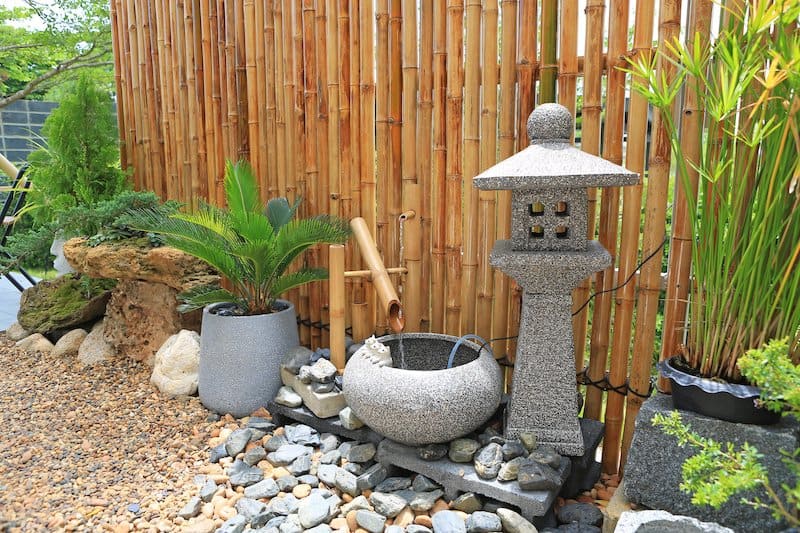
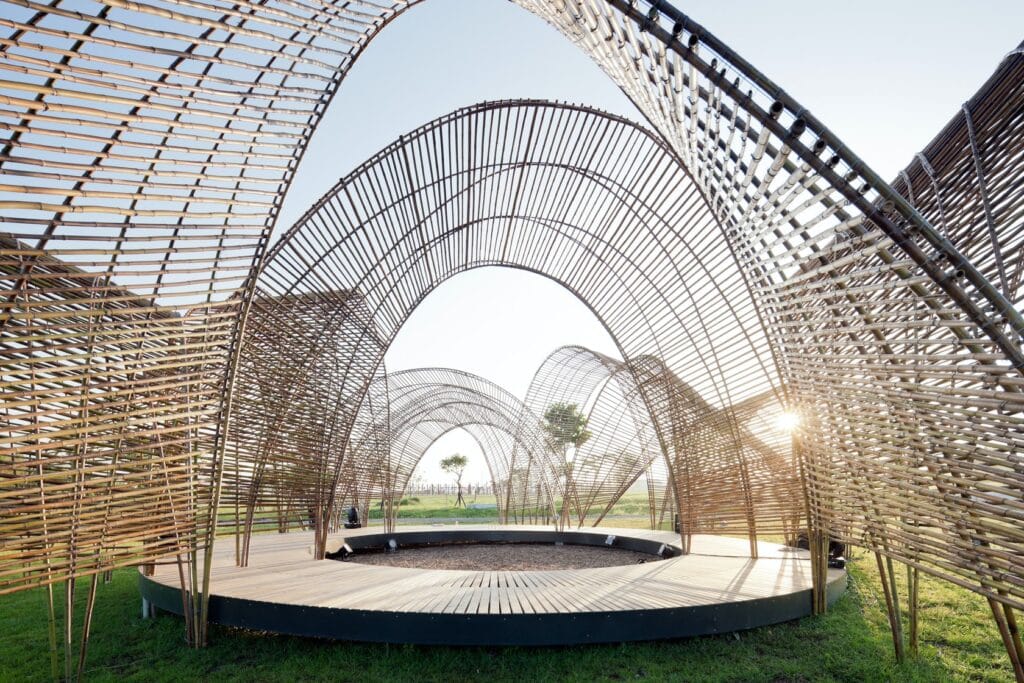
These elevated expectations naturally lead to a re-evaluation of materials and construction approaches. Traditional materials such as concrete, stone, or hardwood often fall short in terms of sustainability, adaptability, and lifecycle efficiency. Yard landscaping in commercial projects now requires materials that are resilient, scalable, and environmentally responsible. This is where bamboo emerges as a material of strategic value. With its fast renewability, high strength-to-weight ratio, and natural aesthetic, engineered bamboo, particularly strand-woven and laminated forms, meets both technical and ecological demands. More importantly, bamboo allows designers to develop a distinct landscaping language that aligns with green architecture and brand identity.
Yard landscaping is no longer an afterthought. It is a visible, measurable declaration of a project’s values. As investors, tenants, and end-users grow more discerning, developers must rethink how they approach landscape design. From spatial planning to ecological integration, from construction speed to long-term maintenance, every aspect of yard landscaping must be reevaluated through the lens of sustainability, efficiency, and place-making. At this intersection, bamboo is becoming not just a viable material but a symbol of forward-thinking, environmentally aligned yard landscaping for the next generation of commercial development.
Key Yard Landscaping Trends For Commercial Projects In 2025
As commercial development embraces environmental responsibility and operational efficiency, yard landscaping in 2025 is being shaped by five interconnected trends that reflect both global imperatives and local design intelligence. These trends are not isolated shifts in aesthetic taste, but rather structural responses to market demands, construction realities, and long-term maintenance goals.
Trend #1: Sustainable Materials Take The Lead
As climate change intensifies and environmental compliance becomes a baseline rather than a differentiator, the role of materials in yard landscaping is undergoing a radical transformation. Commercial developers are no longer simply looking for what looks good in renderings, they are now held accountable for the ecological footprint of every design decision, especially in outdoor spaces that directly interact with natural surroundings. This shift is particularly visible in the selection of hardscape and structural materials, where sustainability is now the guiding principle.
Within this context, bamboo has emerged as a leading material in modern yard landscaping strategies. Unlike hardwoods that take decades to mature, bamboo regenerates rapidly, often reaching full harvest maturity in just three to five years. This regenerative speed not only reduces pressure on forest ecosystems but also ensures a stable, scalable supply chain, an essential factor in large-scale commercial projects where volume and consistency are non-negotiable. Beyond its renewability, bamboo also excels in embodied energy metrics. It requires less energy to harvest, process, and transport compared to stone, concrete, or steel, making it a lower-carbon choice across the full lifecycle of a landscaping project.
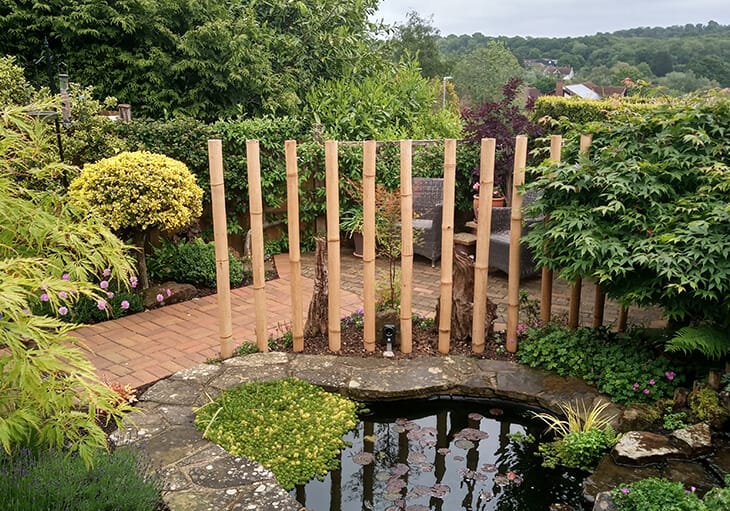
But environmental friendliness alone is not enough. Yard landscaping in commercial applications also demands technical performance, materials must withstand variable weather conditions, structural loads, and long-term exposure without rapid degradation. Engineered bamboo rises to this challenge through thermal treatment and advanced lamination technologies. Properly treated bamboo can resist mold, mildew, UV radiation, and even insect damage, all while maintaining its dimensional stability and surface integrity. These properties make it not just a sustainable option, but a technically viable one for walkways, decking, fencing, pergolas, and seating systems in both tropical and temperate climates.
Furthermore, bamboo aligns with the broader architectural movement toward organic modernism, a design philosophy that emphasizes natural materials, clean lines, and environmental sensitivity. Its aesthetic versatility allows it to adapt to a wide range of landscaping themes, from minimalist Zen gardens to contemporary urban plazas. The tactile warmth and natural grain of bamboo offer a visual and sensory richness that manufactured composites often fail to replicate, providing projects with both material honesty and design distinction.
In 2025 and beyond, the pressure on commercial developers to meet LEED, WELL, or local green building standards will only intensify. This means yard landscaping can no longer be addressed with generic solutions or decorative gestures. Every material choice must serve multiple purposes: it must be beautiful, durable, functional, and above all, responsible. Bamboo answers this call with a unique combination of renewability, resilience, and architectural appeal, positioning it not just as an alternative to conventional materials, but as the flagship material for sustainable yard landscaping in the next generation of commercial projects.
Trend #2: Modular Landscaping For Faster Deployment
In the world of commercial development, time is more than money, it is a measure of opportunity cost, competitive edge, and investor confidence. As project timelines tighten and construction schedules become increasingly integrated across disciplines, the pressure on outdoor systems to keep pace with architectural progress has never been greater. Yard landscaping, once treated as the final aesthetic layer, must now match the speed and precision of the overall build process. This is where modular landscaping emerges as a defining trend, offering a solution that is both efficient and scalable.
Modular design in yard landscaping refers to pre-fabricated, repeatable elements that can be assembled quickly on-site with minimal labor and equipment. Unlike traditional landscaping approaches that rely on custom cutting, wet trades, or extended drying times, modular components arrive ready to install. This paradigm shift dramatically reduces installation errors, weather delays, and logistics bottlenecks, especially in large-scale commercial projects where landscaping zones can span thousands of square meters and multiple contractor interfaces.
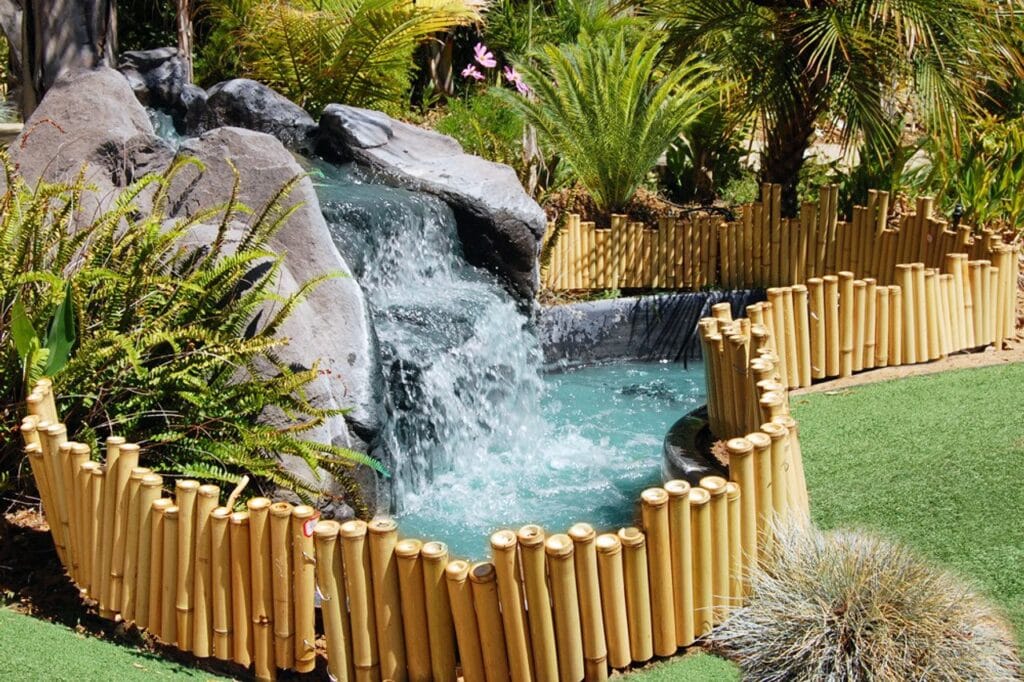
Bamboo, when engineered into modular forms such as deck tiles, fence panels, shading kits, and pre-sized structural frames, fits seamlessly into this accelerated workflow. Its low weight reduces shipping and handling complexity, allowing for more efficient packaging and on-site movement. At the same time, its dimensional stability and machinability make it ideal for precision milling and repeatable jointing, two qualities that are critical in modular yard landscaping systems. This allows installers to work faster, with fewer tools and less training, which in turn reduces total labor costs and shortens project close-out timelines.
Beyond construction logistics, modular bamboo systems also address the growing need for flexible, future-proof landscape design. Many commercial sites today require the ability to expand, reconfigure, or relocate outdoor elements as operational needs evolve. Whether it’s adapting a corporate campus to hybrid work models or reprogramming a resort’s outdoor amenities based on seasonal traffic, the modular nature of bamboo landscaping products offers a level of adaptability that traditional masonry or poured concrete cannot. This flexibility does not come at the expense of performance; properly treated bamboo maintains structural integrity and visual consistency even when deployed in repeated or reassembled formats.
Furthermore, the standardized nature of modular systems supports better supply chain planning and quality control. Bamboo’s compatibility with CNC and factory-based production ensures tighter tolerances, lower defect rates, and smoother project coordination between design, procurement, and site teams. In regions with labor shortages or complex regulatory approvals, this industrialized approach to yard landscaping can make the difference between on-time delivery and costly overruns.
Ultimately, modular landscaping represents more than just a construction method, it reflects a broader rethinking of how outdoor environments are conceived and managed in commercial development. By leveraging the technical and logistical advantages of engineered bamboo within modular frameworks, developers can achieve faster deployment without compromising on quality, sustainability, or design intent. As urbanization accelerates and land becomes more valuable, this ability to build smart, fast, and flexible in the realm of yard landscaping will define the most successful projects of the decade.
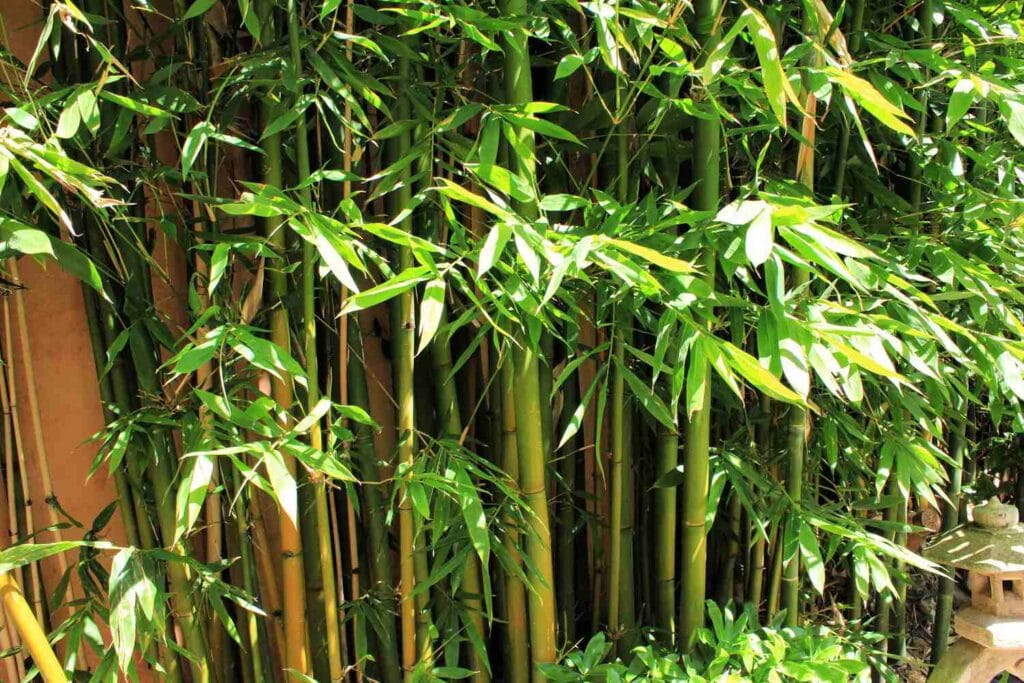
Trend #3: Low-Maintenance, High-Durability Design
In commercial yard landscaping, beauty without resilience is a liability. As outdoor environments become more integral to the identity and functionality of buildings, the materials used to shape these spaces must deliver long-term performance with minimal intervention. The economics of landscape maintenance are shifting rapidly. In hospitality, industrial, and public sectors alike, the cost of continual upkeep, repainting, refinishing, replacing weather-worn surfaces, is no longer acceptable in an era where operational efficiency is as important as aesthetic impact.
This has given rise to a demand for materials that are not only durable in structure but passive in maintenance. Stakeholders are seeking solutions that can be installed once and left to perform under the duress of daily use and seasonal extremes without ongoing treatment. In yard landscaping, where surfaces are exposed to moisture, UV radiation, mold, mechanical wear, and foot traffic, this requirement is especially stringent.
Engineered bamboo, when properly treated, is answering this call with increasing authority. Through advanced thermal modification processes, bamboo can be transformed into a material that resists rot, swelling, and surface degradation even in humid, wet, or highly variable climates. The application of nanotechnology, particularly water-repellent coatings and UV-blocking finishes, further extends its lifespan and protects its natural appearance. For environments that experience freeze-thaw cycles, coastal salt exposure, or extreme solar load, bamboo offers a rare combination of natural warmth and technical reliability.
Moreover, bamboo’s structural consistency allows it to age predictably. Unlike hardwoods that can split or fade unevenly, or composites that may delaminate over time, bamboo retains its dimensional stability and surface integrity across years of use. This predictability simplifies maintenance planning and avoids the hidden costs of irregular wear. In high-use zones such as outdoor seating areas, decks, pedestrian corridors, or transitional zones between indoor and outdoor space, bamboo performs as both a practical and visual constant, quietly reinforcing the intended design narrative without drawing on additional maintenance budgets.
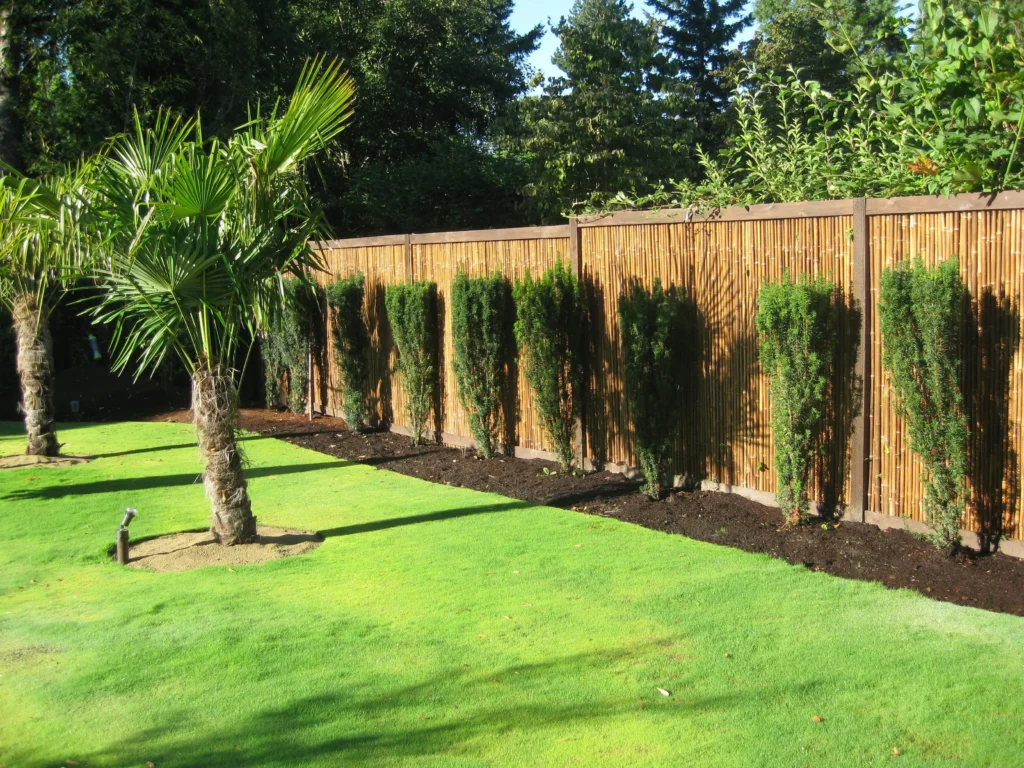
Beyond technical resilience, low-maintenance yard landscaping also serves a deeper strategic purpose. For commercial owners and facility managers, predictable landscapes mean fewer operational disruptions, less downtime, and improved safety. In sectors such as healthcare, education, and retail, where uninterrupted access and environment consistency are crucial, materials that require repainting, replacement, or ongoing protection introduce unacceptable risk. Bamboo’s low-maintenance nature translates directly into reduced liability, steadier operating costs, and enhanced lifecycle value of the project as a whole.
As more developers adopt lifecycle costing models and performance-based procurement, materials that combine natural beauty with maintenance efficiency will become the baseline standard in yard landscaping. Bamboo, through its unique intersection of organic materiality and engineered resilience, is proving itself not only as a sustainable and modular option, but as a reliable performer in some of the most demanding outdoor environments in commercial real estate today.
Trend #4: Mixed-Use Outdoor Zones
As the boundary between built space and open space continues to blur, yard landscaping is no longer perceived as a decorative fringe but as a fully integrated extension of functional architecture. In contemporary commercial projects, outdoor zones are expected to serve more than a visual role, they must facilitate circulation, support passive recreation, enable social interaction, and reflect brand identity in real time. This evolution in programmatic expectations has given rise to a new typology of yard landscaping: the mixed-use outdoor environment, where form and function converge under increasing performance pressure.
Developers are no longer satisfied with passive green spaces that simply fill gaps between buildings. Instead, they seek to activate every square meter of exterior real estate. Landscaped zones now double as transitional lobbies, pop-up meeting areas, retail spillovers, and wellness zones. In large-scale commercial complexes, especially in hospitality, education, and business parks, these multifunctional outdoor areas must accommodate a broad spectrum of human behavior, without sacrificing durability, aesthetics, or ease of use. The result is a demand for materials that perform well across variables: structural load, slip resistance, tactile comfort, weather endurance, and visual consistency.
Bamboo, when deployed in these dynamic environments, excels precisely because it satisfies multiple criteria simultaneously. Its organic warmth and biophilic appeal make it visually inviting, while its engineered strength supports practical applications such as decking, railings, seating, flooring, and even vertical structures. When treated with anti-slip coatings and waterproof finishes, bamboo surfaces remain safe and navigable even in wet or high-traffic conditions, making them ideal for pathways, ramps, outdoor lounges, or transitional thresholds. Unlike concrete or metal, bamboo avoids the stark thermal fluctuations that can make surfaces uncomfortable or unsafe in extreme heat or cold, providing a more human-centered design experience.
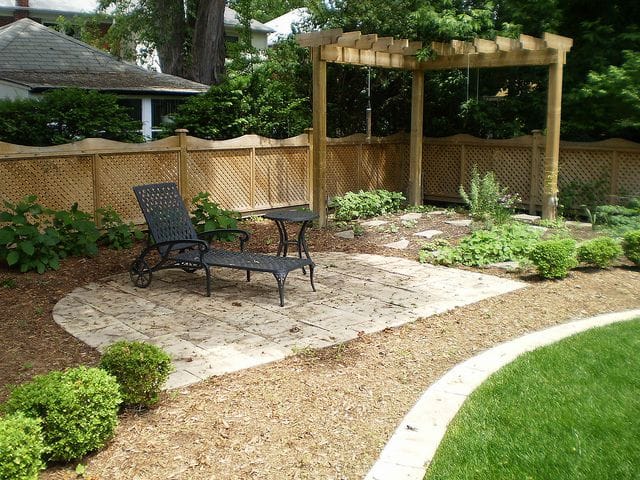
What distinguishes bamboo in mixed-use outdoor zones is not merely its performance profile but its narrative alignment with the design ethos of modern landscaping. As projects increasingly adopt wellness-driven principles, including access to nature, sensory variation, and psychological comfort, bamboo communicates authenticity and calm, two qualities that artificial materials often fail to replicate. It allows designers to create continuity between the indoor and outdoor experience without visual or material dissonance, ensuring that the transition between functions feels seamless and intentional.
In operational terms, this versatility translates into clear benefits for owners and operators. Outdoor zones that are adaptable and materially coherent reduce long-term retrofit needs, enhance user satisfaction, and contribute to the spatial resilience of the overall property. Whether supporting informal workspaces, public events, or moments of quiet respite, yard landscaping built on the logic of multifunctional use and supported by materials like bamboo is redefining how commercial environments breathe, respond, and evolve over time.
Trend #5: Regionalized Design With Local Materials
As global development accelerates, the most forward-thinking commercial projects are no longer defined by uniformity, but by their ability to resonate with place. Yard landscaping is increasingly becoming the medium through which architects and developers express this regional identity, leveraging local materials, vernacular aesthetics, and culturally relevant spatial arrangements to create environments that are both meaningful and memorable. This movement toward regionalized design is not about aesthetic tokenism; it is a strategic response to climate, context, and user psychology. In yard landscaping, where material meets terrain, this regional sensitivity becomes a determining factor in both performance and perception.
Bamboo, particularly in its engineered and treated forms, sits at the forefront of this regionalization trend. In Asia-Pacific, Latin America, and parts of Africa, bamboo is not just a renewable resource, it is part of the cultural and architectural language of the region. Its presence in yard landscaping instantly communicates environmental alignment, local sourcing, and respect for tradition. For resorts inspired by tropical design, wellness centers grounded in Zen principles, or mixed-use developments in emerging markets, bamboo brings authenticity that cannot be replicated by imported or synthetic alternatives. It becomes a material expression of place, anchoring outdoor environments in something deeper than trend or cost-efficiency.
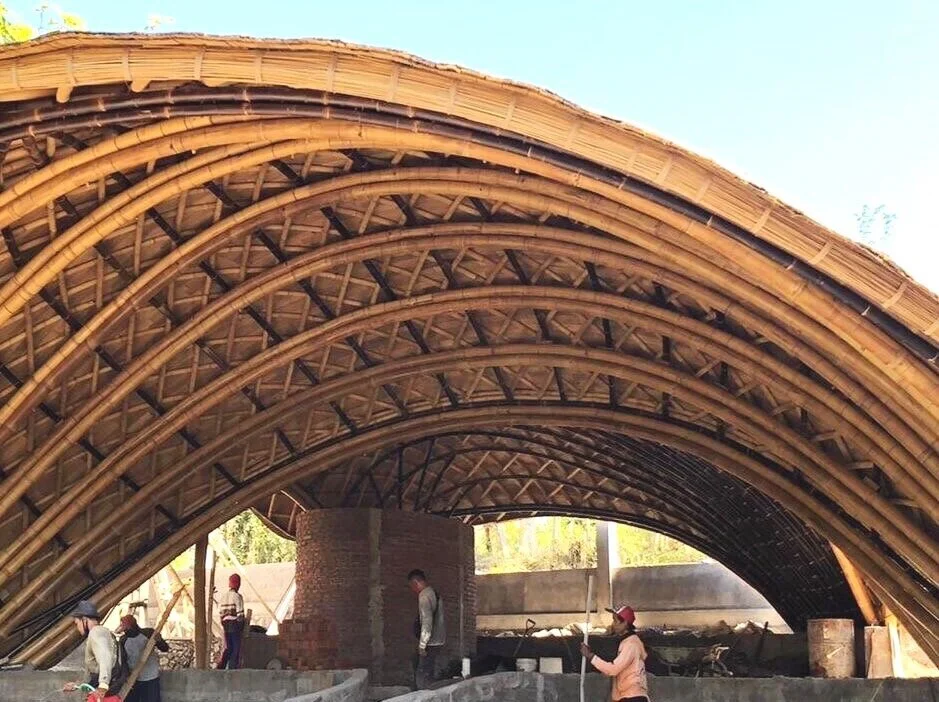
From a technical standpoint, using local materials like bamboo in yard landscaping also minimizes transport emissions and simplifies supply chains, two advantages increasingly important in projects committed to carbon reduction. Moreover, bamboo’s natural adaptability to local climate conditions enhances its longevity and performance. In humid equatorial zones, for example, treated bamboo resists mold and degradation better than many hardwoods. In arid environments, it offers a cool surface temperature and visual softness that offsets the harshness of sun-scorched architecture. In each case, bamboo supports yard landscaping that is not just functional, but symbiotic with its environment.
The emotional resonance of regionally grounded materials should not be underestimated. In a world of global sameness, commercial projects that embody local character, through their yard landscaping, their textures, their materials, achieve greater brand differentiation and community acceptance. Whether it’s the subtle grain of bamboo beneath one’s feet or the rhythmic silhouette of bamboo fencing framing a public square, these sensory cues help users feel anchored in a space. They create a connection that is not only physical but also emotional, aligning spatial memory with cultural identity.
As yard landscaping evolves into a platform for place-making, bamboo offers a rare convergence of environmental logic, cultural symbolism, and architectural adaptability. It allows commercial developers to respond to global standards while speaking in a local voice. In doing so, bamboo is not simply being used, it is being trusted to tell stories, to carry meaning, and to bring a sense of belonging back into the built environment.
What These Trends Mean For Buyers And Importers
The evolution of yard landscaping into a strategic, high-performance element of commercial development carries profound implications for international buyers and importers of landscaping materials. As design standards become more exacting and construction timelines more compressed, sourcing no longer revolves around basic availability or price per square meter. Instead, it demands a nuanced understanding of material science, supply chain efficiency, and project-specific customization. In this context, bamboo is no longer an optional material if treated and positioned correctly, it becomes a core offering in any yard landscaping portfolio.
For importers, this begins with material specification. Global buyers must prioritize bamboo products that are purpose-engineered for exterior environments. This means ensuring a moisture content below 12 percent, certification under FSC or equivalent sustainable forestry standards, and test reports verifying UV resistance and antifungal treatment. Products that fail to meet these criteria are unlikely to survive long-term exposure, especially in high-humidity or high-traffic zones common in commercial landscaping. What once passed as acceptable for residential patios or indoor applications now falls short in the eyes of architects and developers managing multi-million-dollar public-facing projects.
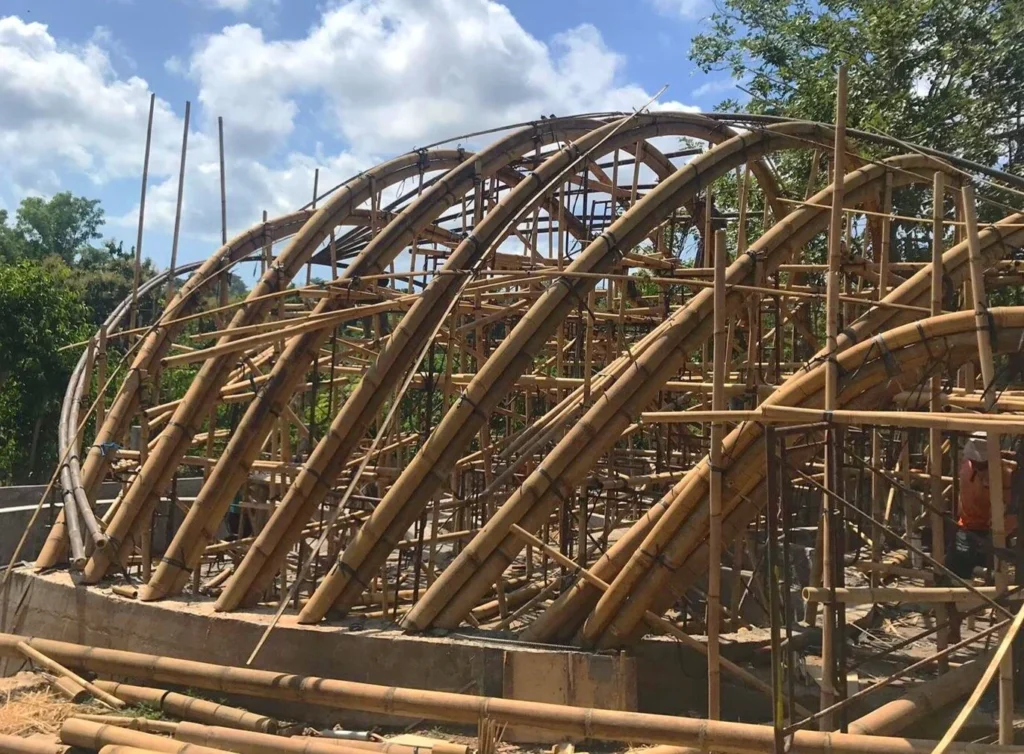
Equally critical is the way bamboo products are designed and packed for transport. As modular yard landscaping becomes the norm, importers need to work closely with manufacturers to ensure product dimensions align with modular grid systems, allow for palletization, and minimize void space in containers. Warping, breakage, and tolerance mismatch during installation are no longer tolerated in fast-paced commercial settings. Bamboo that travels well flat-packed, pre-finished, and protected against deformation becomes not just a material, but a system component in a much larger supply chain logic.
Timelines also matter. With increasing demand for OEM production and project-specific customization, especially in the hospitality and infrastructure sectors, importers must engage manufacturers early. Lead times for custom modules, special coatings, or proprietary fastening systems can easily extend beyond standard procurement windows. Delays caused by late coordination can derail landscaping scopes and create ripple effects across project schedules. Those who treat bamboo as a shelf-ready commodity risk falling behind. Those who treat it as a programmable asset designed and scheduled in tandem with architectural intent, are better positioned to serve the new yard landscaping economy.
Beyond the product itself, importers must also account for after-sales support. As bamboo gains ground in structural and high-visibility applications, contractors and designers demand clear documentation: technical datasheets, load testing results, surface treatment specifications, and detailed installation guidelines. Warranty terms must be transparent and aligned with international commercial expectations. Without these assurances, even the most sustainable and aesthetically appealing bamboo solution may fail to gain traction in institutional or large-scale projects.
In short, the shifting dynamics of yard landscaping are reshaping the expectations placed on material distributors. Success no longer lies in offering generic inventory, but in curating a high-performance, technically credible, and logistically viable product line that responds to the specific pressures of commercial landscaping. When properly treated, positioned, and supported, bamboo stands not at the fringe of this transformation but firmly at its center.
Conclusion
As the commercial landscaping sector redefines itself through the lens of sustainability, modularity, durability, multifunctionality, and regional relevance, bamboo is emerging not merely as a trend, but as a structural foundation for the next generation of outdoor environments. No longer confined to aesthetic detailing or niche applications, bamboo has proven its capacity to meet the rigorous demands of modern yard landscaping, from technical performance and supply chain adaptability to cultural integration and lifecycle value.
At Bamboo Supplier, we are not just providing a product, we are delivering a complete, export-ready solution tailored to the real pressures of today’s market. Our materials are engineered to withstand the environmental challenges of diverse geographies, certified for global sustainability standards, and optimized for containerized logistics. Whether you are sourcing for a hotel chain in Southeast Asia, a mixed-use campus in the Middle East, or a public infrastructure project in Europe, our bamboo solutions are designed to arrive on site ready to perform, backed by comprehensive documentation, technical support, and long-term partnership.
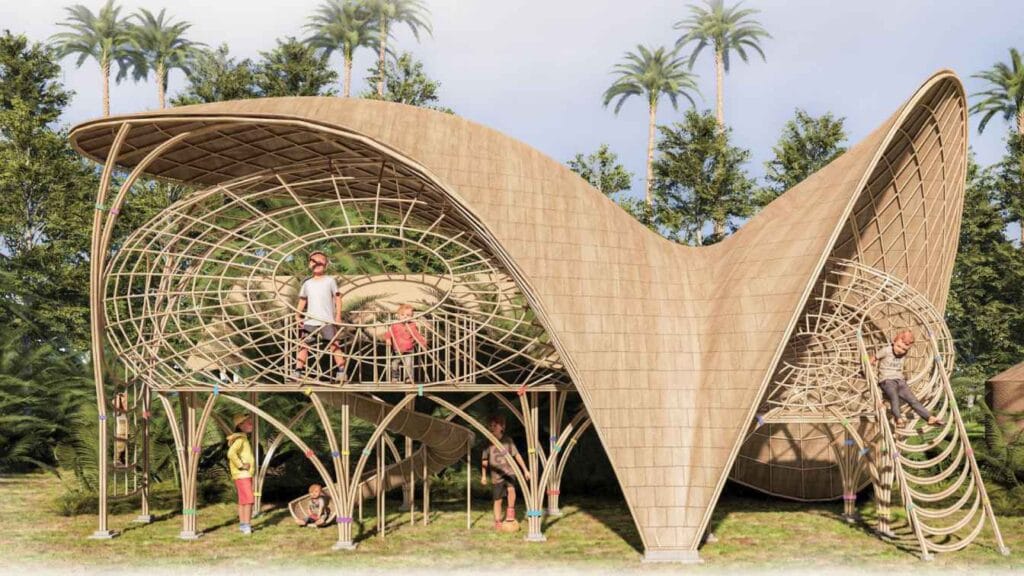
More importantly, we understand that yard landscaping is no longer an afterthought. It is a strategic asset that shapes brand perception, user experience, and operational efficiency. That is why Bamboo Supplier collaborates closely with importers, developers, and design consultants, not just to fulfill orders, but to align with project intent, aesthetic language, and environmental goals. From modular decking systems to custom-finished cladding, from technical advisory to OEM development, we offer more than materials, we offer confidence.
As the yard landscaping market continues to evolve, the winners will be those who can move fast, think sustainably, and deliver consistently. Bamboo Supplier stands ready to support that journey, not just as a vendor, but as a long-term partner in building outdoor environments that are beautiful, intelligent, and built to last.