
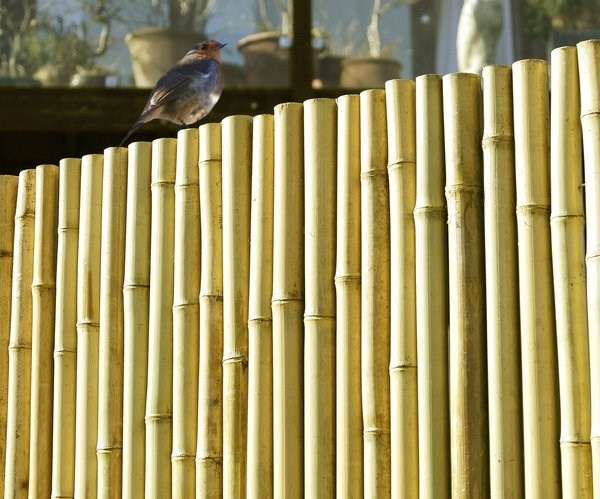
In the serene world of zoos, where the balance between nature and functionality is crucial, bamboo fence design for zoos emerges as an ideal solution. These fences combine practicality and aesthetics, offering a sustainable way to protect animals while blending seamlessly into natural landscapes. But what makes bamboo fencing the preferred choice for zoos?
Bamboo fences are renowned for their environmental benefits, being a renewable material that aligns perfectly with eco-conscious zoo designs. Their safety and durability make them suitable for securing even the most sensitive enclosures, ensuring long-term reliability. Moreover, the flexibility in bamboo fence design for zoos allows for a wide range of styles, from minimalist vertical panels to intricate decorative patterns, catering to both functional and aesthetic needs.
This guide will help you explore the essential steps in choosing and installing the perfect bamboo fencing for a zoo.
Choosing the Right Bamboo Fence Design
When it comes to choosing the right bamboo fence design for zoos, several factors need to be considered, including the security of the animals, the aesthetic goals of the zoo, and how well the fence blends with the natural environment. Bamboo is not only environmentally friendly but also a highly durable and versatile material, making it ideal for various applications in zoo design. Here, we explore the most popular bamboo fence styles that zoos can choose from, each serving different functional and aesthetic purposes.
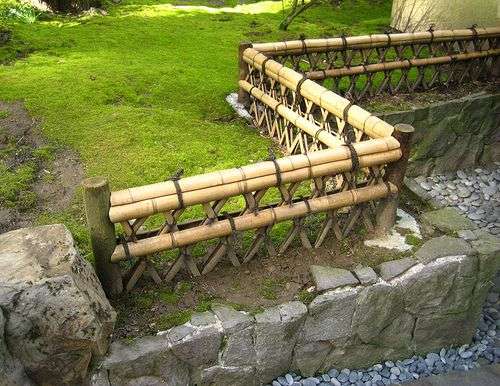
Common Bamboo Fence Styles for Zoos
Vertical Panel Fencing
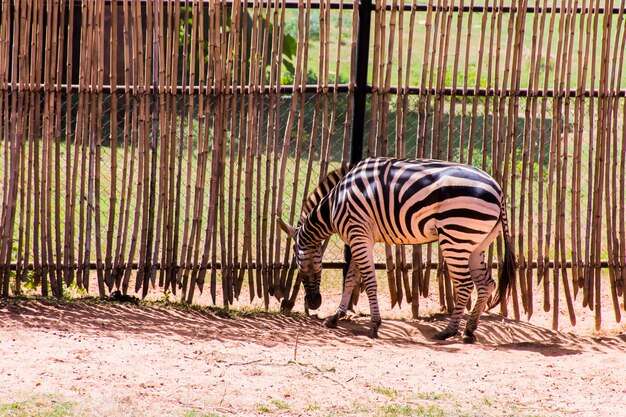
Vertical panel fencing is one of the most common and practical designs used in bamboo fence design for zoos. This style features bamboo poles placed upright in a row, creating a tall, sturdy barrier that ensures both security and privacy for the enclosures. Vertical fences are often chosen for areas where animal safety is paramount, such as for large or dangerous animals like tigers, lions, or elephants. The height of the fence helps prevent animals from climbing over, and its dense arrangement provides a strong visual barrier, preventing animals from viewing one another, which can reduce stress.
- Benefits:
- Height and Security: The vertical panels ensure the necessary height to prevent climbing or jumping over the fence, creating a secure environment.
- Privacy for Animals: The dense arrangement blocks views, providing privacy to the animals and minimizing distractions or stress caused by the presence of visitors or other animals.
- Aesthetic Value: Vertical bamboo panels provide a sleek and traditional look, adding a natural element to the zoo’s landscape.
Horizontal Bamboo Layouts
For larger, open spaces within the zoo, horizontal bamboo layouts offer a unique solution. Unlike the upright style, horizontal bamboo fencing uses bamboo poles arranged horizontally, creating a more open and less imposing appearance. This style is ideal for larger enclosures or habitats where a sense of openness and transparency is desired, such as for herbivores or aviaries. Horizontal layouts are often chosen for scenic areas where the fence blends seamlessly into the environment, creating a more organic, natural aesthetic that complements the zoo’s surroundings.
- Benefits:
- Openness and Transparency: Horizontal bamboo fencing offers a more open feel, making it perfect for areas where animals are less likely to escape, and where visual appeal is a priority.
- Natural Aesthetic: The horizontal design allows the fence to harmonize with natural landscapes, making it less intrusive and more visually pleasing.
- Durability: Bamboo laid horizontally is equally durable, with the strength to withstand environmental stress such as wind and weather while providing a low-maintenance solution for large enclosures.
Custom Decorative Bamboo Designs
For specific areas of the zoo that feature themed environments—such as tropical rainforests, African savannahs, or Asian jungles—custom decorative bamboo fence designs provide an ideal solution. These fences can be tailored to fit the specific aesthetic and functional needs of the zoo. Custom designs allow for creative expressions using bamboo’s natural form, and can incorporate intricate patterns, curves, or artistic shapes that blend with the themed environments. For example, bamboo fences in a tropical rainforest area could feature a more fluid, organic design to mimic the natural forms found in nature.
- Benefits:
- Creative Flexibility: Custom decorative designs allow the zoo to create unique, themed environments that stand out and offer visitors a more immersive experience.
- Enhancing Atmosphere: Custom bamboo fences can evoke the ambiance of a specific environment, enhancing the overall theme of a zoo section (e.g., African savannah, tropical rainforest).
- Blending Function with Art: These fences are not only functional but also artistic, adding an extra layer of beauty to the zoo while still serving their primary purpose of securing animals.
Key Factors to Consider
When selecting the ideal bamboo fence design for zoos, it is crucial to carefully consider various factors to ensure the fence meets both practical and aesthetic needs. Bamboo, as a natural and eco-friendly material, requires thoughtful planning to address animal safety, weather durability, and overall zoo design integration. Here’s a more in-depth look at the key considerations.

Animal Behavior
The behavior of animals is a critical factor in determining the design and construction of a bamboo fence design for zoos. Zoos house a diverse range of species, each with unique behaviors that influence the requirements of the fencing. Animals such as monkeys, big cats, and even herbivores can pose different challenges, which is why understanding their tendencies is key to designing a secure barrier.
- Height and Security: One of the primary factors in ensuring animal safety is the height of the fence. For example, large carnivores like lions and tigers need a fence that is not only tall but also tall enough to prevent them from jumping or climbing over. Similarly, for primates or climbing animals, the bamboo fence should extend far enough to deter them from attempting to scale it. The bamboo fence design for zoos must be tailored to the animal’s natural behavior. A design that works for smaller animals may not be sufficient for more agile or larger species.
- Strength and Durability: Bamboo must be strong enough to withstand animals attempting to push or lean against it. Some species may chew on or scratch the fence, which can damage weaker materials. Therefore, using dense, strong bamboo poles that can handle physical stress is essential for maintaining the fence’s integrity over time. Bamboo fences may also be reinforced with metal frames or additional support to enhance their resistance to impact and pressure.
- Spacing and Gaps: Another factor is ensuring that the bamboo poles are placed closely together to avoid any gaps through which smaller animals could escape or pass through. The spacing needs to account for the size and strength of the animals—larger animals need more substantial gaps, while smaller ones need tighter spacing to avoid escape or injury.
Weather Resistance
Given that zoos are outdoor environments subject to varying weather conditions, the weather resistance of the bamboo fence is essential to its long-term functionality and durability. Bamboo, as an organic material, can be highly susceptible to degradation due to exposure to moisture, temperature changes, and insects if not properly treated.
- Treated Bamboo for Longevity: To ensure that the bamboo fence design for zoos lasts for years without losing its structural integrity, it’s essential to choose bamboo that has been treated with protective coatings. These treatments often include preservatives that protect against moisture and termites, which are common problems that can weaken bamboo over time. By choosing properly treated bamboo, the fence will resist warping, rotting, or cracking even in humid, rainy, or dry conditions, making it a sustainable and reliable material.
- Climate Adaptability: Zoos located in areas with extreme weather conditions, such as heavy rainfall or extreme heat, need to ensure their bamboo fences can withstand these challenges. Bamboo’s natural resilience can be enhanced with appropriate weatherproofing treatments to make sure it remains effective no matter the climate, whether in tropical or temperate zones.
Aesthetic Integration
The aesthetic integration of bamboo fences is just as important as their functional purpose, especially in a zoo setting where the fence is a key part of the overall design. The bamboo fence should not only protect and secure animals but also contribute to the beauty and atmosphere of the zoo.
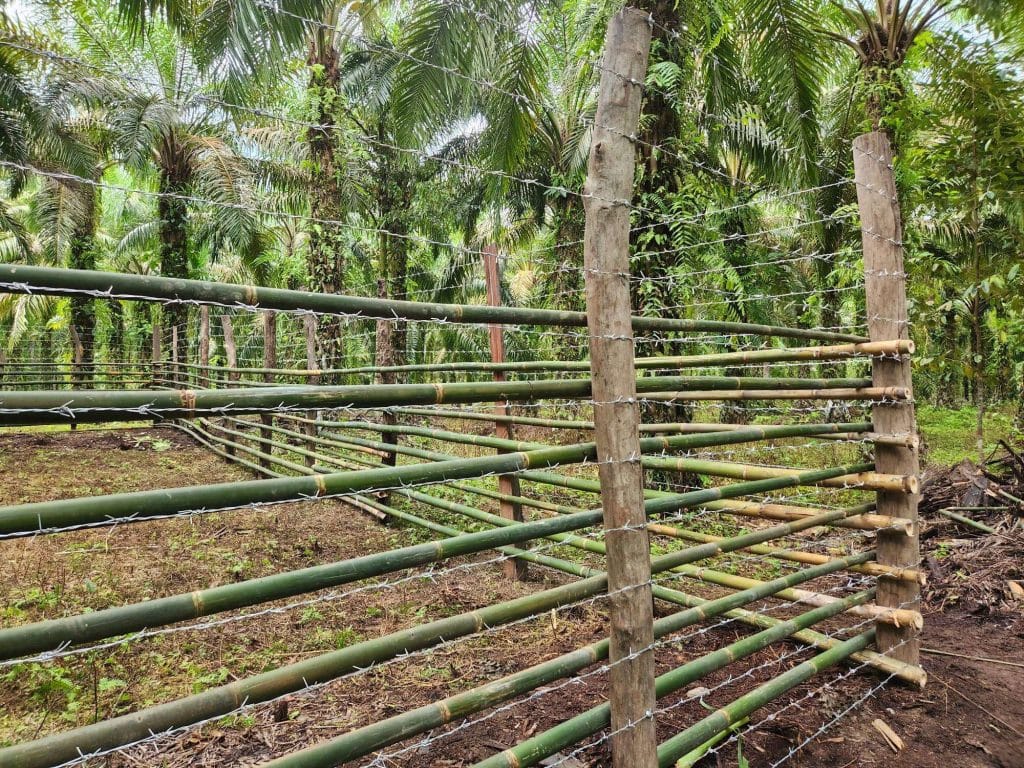
- Blending with the Environment: Bamboo fences should complement the natural surroundings of the zoo. Whether it’s an area designed to represent an African savannah or a tropical rainforest, the bamboo design needs to harmonize with these themes. The bamboo fence design for zoos must serve as an extension of the environment it encloses, blending seamlessly with the overall landscape and reinforcing the zoo’s narrative.
- Supporting the Theme: Customizable bamboo fence designs allow for the creation of unique, thematic enclosures that reflect specific ecosystems. For instance, a bamboo fence can be designed to mimic the feel of dense jungle foliage in tropical environments or more minimalistic designs for modern exhibits. By choosing the right bamboo design, the fence can enhance the visitor experience, adding a natural and calming element to the zoo environment.
- Visitor Experience: Aesthetically pleasing fences contribute to the immersive experience for zoo visitors. When visitors walk through a zoo, the environment should transport them into the theme of each exhibit. Bamboo fences help to enhance this atmosphere by offering a natural, earthy look that complements the animals and their surroundings. Well-designed fences that match the theme can also have a subtle educational function, reinforcing the natural beauty of the wildlife and the importance of sustainability.
Step-by-Step Installation Guide
Installing a bamboo fence design for zoos requires careful planning and execution to ensure both safety and durability. This step-by-step guide outlines the necessary procedures to set up a bamboo fence that meets the functional and aesthetic needs of a zoo. Proper installation techniques will help the fence stand the test of time and withstand the various challenges posed by both animals and environmental factors.
Preparing the Site
Before beginning the installation of your bamboo fence design for zoos, it’s important to assess the terrain and prepare the area. Proper preparation ensures the fence is both functional and well-integrated into the zoo’s overall design.

- Assess the Terrain: Start by evaluating the land where the bamboo fence will be installed. Take note of any irregularities or obstacles in the terrain that might affect the design and layout of the fence. Consider the natural features, such as slopes or water bodies, that might require special attention. The bamboo fence design for zoos must be adaptable to the landscape and terrain for optimal performance.
- Mark the Locations: Once the area has been evaluated, mark the positions where the bamboo posts will be placed. This ensures a consistent layout throughout the installation. Clear and precise measurements will help in aligning the fence panels correctly. Proper marking will also help in determining the length of the bamboo poles required to complete the installation.
- Clear the Area: Remove any debris, vegetation, or other obstacles in the installation area. This will provide a clean and level surface for the posts and panels, allowing for a smooth installation process.
Installation Techniques
The installation of a bamboo fence design for zoos requires specific techniques to ensure the fence is both secure and durable. Follow these steps to ensure proper anchoring and assembly of your bamboo fence.
Anchoring Bamboo Posts
The first step in installing a bamboo fence is securing the bamboo posts in the ground. These posts serve as the foundation of the entire structure, and proper anchoring is essential for stability and strength.
- Using Strong Bamboo Posts: Choose high-quality bamboo posts that are thick and durable. These posts will bear the weight of the entire fence, so they must be strong enough to withstand environmental pressures and the activity of zoo animals.
- Securing with Concrete or Anchoring Systems: Dig holes for the bamboo posts, ensuring they are deep enough to support the height and weight of the fence. Use concrete or a specialized anchoring system to secure the posts firmly in place. This helps prevent the posts from shifting or leaning over time. For larger or more aggressive animals, the posts should be anchored more securely to prevent any potential damage.
Connecting Panels
Once the bamboo posts are in place, the next step is to connect the fence panels. This step involves securing the bamboo panels to the posts using various methods.
- Using Screws or Nails: The most common method is using screws or nails to attach the bamboo panels to the posts. For extra stability, use stainless steel screws that can resist rust and corrosion, ensuring that the fence will last for years. Be sure to position the panels tightly against the posts to minimize gaps.
- Using Twine or Rope: Another option is using durable twine or rope to tie the bamboo panels to the posts. This method can create a more natural and rustic look, perfect for zoos that want a more organic or themed appearance. Twine or rope can be used to bind the bamboo tightly, creating a secure connection.
- Traditional Joinery: For a more traditional aesthetic, some bamboo fence designs for zoos use wooden or bamboo joinery techniques. This involves interlocking the bamboo panels with custom-made joinery that offers both strength and visual appeal.
Finishing Touches
The final step in installing a bamboo fence is adding protective finishes to ensure the bamboo lasts longer and retains its strength.
- Applying Protective Coatings: After the bamboo fence is securely installed, apply a protective coating to prevent damage from the elements. Use waterproofing treatments that also include UV protection. This will protect the bamboo from moisture damage, fading, and weathering caused by exposure to sunlight.
- Regular Maintenance: While bamboo is a durable material, regular maintenance is essential. Check the fence periodically for any signs of wear and tear. Apply additional coatings as needed to maintain the bamboo’s integrity and extend its lifespan.
Maintaining Bamboo Fences for Longevity
To ensure the long-lasting durability and continued functionality of a bamboo fence design for zoos, it is essential to conduct regular maintenance. Bamboo fences, while resilient, require proper care to withstand environmental conditions and heavy use in a zoo setting. With the right maintenance routine, you can preserve the structural integrity and natural beauty of the bamboo, contributing to both the safety of animals and the aesthetic appeal of the zoo.
Regular Inspection
The first and most crucial step in maintaining a bamboo fence design for zoos is conducting regular inspections. Bamboo is a natural material that can degrade over time due to exposure to the elements, animal interaction, and general wear and tear. Routine inspections help to identify early signs of damage, ensuring that you can address potential problems before they become serious.
Key areas to focus on during an inspection include:
- Physical damage:
Bamboo is naturally strong, but constant exposure to elements like wind, rain, or extreme temperatures can cause the material to crack, warp, or weaken. Additionally, heavy animal movement or physical interaction with the fence can lead to bends, breaks, or other structural issues. Inspect each bamboo pole, ensuring there are no cracks or splits that might compromise the fence’s integrity. - Pests and insects:
Bamboo, although durable, is susceptible to infestation by termites, ants, or other pests that can damage the material over time. Regular inspections should involve checking for signs of pest activity, such as holes, tunnels, or a weakening of the bamboo fibers. Termite damage, in particular, can go unnoticed for long periods but can cause significant harm if left unaddressed.
By conducting detailed inspections every few months, you can identify issues early and prevent them from compromising the safety and stability of your bamboo fence design for zoos.
Read more: News in Construction: Is Bamboo the Future?
Cleaning and Protection
Cleaning and protecting your bamboo fence are essential components of the maintenance process. Regular cleaning removes dirt, debris, and mold, all of which can degrade the appearance and structural integrity of the bamboo over time.
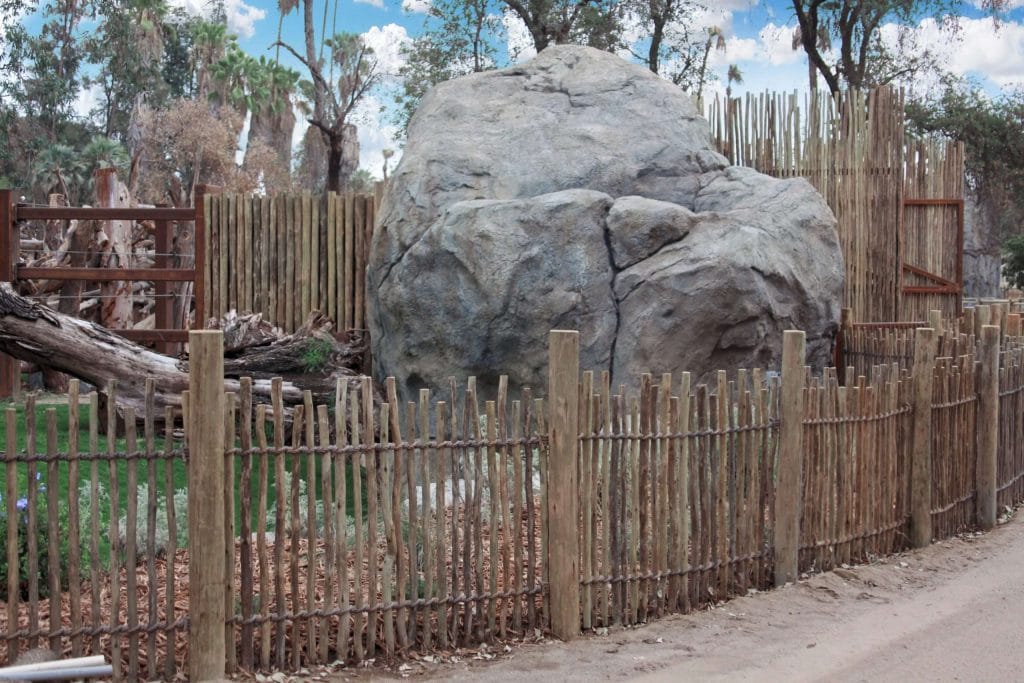
- Cleaning the bamboo:
To clean your bamboo fence design for zoos, use a soft brush or cloth along with a mild, eco-friendly cleaning solution. Avoid harsh chemicals or abrasive tools that could damage the surface of the bamboo. Use water and a gentle cleanser to remove accumulated dirt, algae, and any organic matter that may attract pests. Regular cleaning also gives you the opportunity to spot any damage or wear that might have occurred between inspections. - Protective coating:
Bamboo is naturally porous and can absorb moisture, leading to deterioration over time. Applying a protective coat is crucial for preserving the fence. Choose a high-quality, UV-resistant sealant or a waterproof coating designed specifically for bamboo. This treatment will help prevent discoloration from the sun’s UV rays, reduce moisture absorption, and protect the bamboo from cracking and splintering due to environmental exposure. Reapply the protective coating every 1-2 years, or more frequently in areas with harsher climates or heavy exposure to the sun.
Additionally, you may want to use natural oils such as teak oil or tung oil, which can enhance the bamboo’s color and offer a layer of protection against the elements. However, ensure that any treatment used is safe for the zoo environment and does not pose a risk to animals.
Repairs
Even with regular inspections and cleaning, repairs will inevitably be needed over the lifespan of your bamboo fence design for zoos. Timely repairs are essential to maintain both the safety and functionality of the fence, ensuring that it continues to perform well in a zoo setting. Addressing issues as soon as they arise will prevent further damage and avoid costly replacements later on.
- Replacing damaged bamboo poles and slats:
When bamboo poles or slats show signs of significant damage, such as large cracks, breaks, or extensive termite infestations, it is important to replace them promptly. A damaged pole or slat can weaken the entire structure of the fence, compromising both its stability and security. If any parts of the bamboo fence are no longer holding their shape, they should be replaced immediately to maintain the integrity of the design. Ensure that the new bamboo matches the rest of the fence to maintain a uniform look. - Repairing joints and connections:
Bamboo fences are often held together by traditional ties, nails, or screws. Over time, these connections can loosen or degrade. If you notice any joints starting to separate or lose their strength, it’s essential to tighten or replace them. Using strong, rust-resistant fasteners and checking the stability of the bamboo panels regularly will prevent issues with the connections. - Addressing wear and tear from animals:
In a zoo setting, animals may come into direct contact with the bamboo fence, leading to additional wear and tear. Some animals may scratch or chew the bamboo, causing superficial damage. Regularly check for any signs of animal activity that might weaken the bamboo or cause it to break. If necessary, reinforce areas that receive heavy animal interaction with additional bamboo posts or extra protective layers to prevent further damage.
By consistently addressing any issues with cleaning, inspecting, and repairing your bamboo fence design for zoos, you ensure that the fence remains not only aesthetically pleasing but also functional and safe. The longevity of the bamboo fence depends on proactive maintenance efforts, which will preserve the natural beauty of the fence while keeping the zoo’s animal enclosures secure.
See our product as you need in here.
Conclusion
In conclusion, a bamboo fence design for zoos offers an exceptional combination of durability, flexibility, and eco-friendliness. Bamboo is not only a resilient and long-lasting material but also blends harmoniously with natural surroundings, creating a safe and visually pleasing environment for both animals and visitors. The strength and weather resistance of bamboo make it the perfect choice for bamboo fence design for zoos, ensuring security and a comfortable habitat for all animals. Its ability to adapt to various climates and withstand outdoor elements adds to its appeal as a top-tier fencing material.

Furthermore, bamboo fence designs for zoos are easy to maintain, which ensures their long-term functionality without significant upkeep costs. With its aesthetic appeal and natural look, a bamboo fence design for zoos creates a welcoming atmosphere, while also promoting sustainability within the zoo environment. Whether for animal enclosures, visitor pathways, or decorative sections, bamboo is the ideal material that meets the demands of safety, design, and longevity.
If you’re looking to implement a bamboo fence design for zoos, Bamboo Supplier is here to assist. With our high-quality bamboo and expert consultation services, we are committed to helping you achieve the perfect fencing solution for your zoo. Contact Bamboo Supplier now to explore the wide range of bamboo fence designs for zoos and receive professional guidance tailored to your specific needs. Let us work together to create a sustainable, safe, and beautiful space for your zoo with the best bamboo fence design for zoos!
Tel: +84 338 286 268
Email: [email protected]
Facebook: Bamboo Supplier