
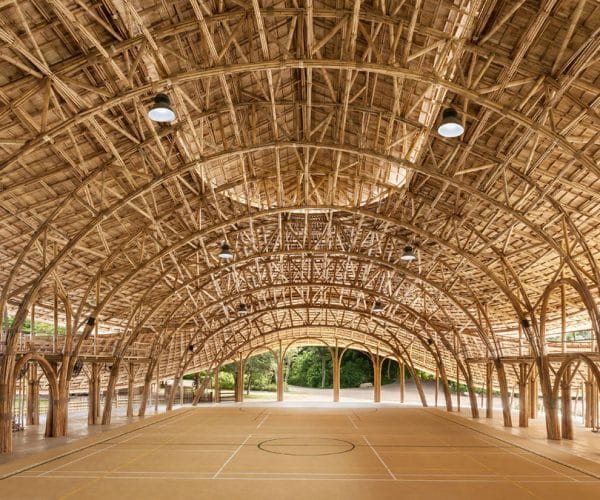
Is bamboo the future? Or is it just a forgotten dream in construction?
Bamboo may not be a loud revolution, but it’s quietly reshaping the future of construction. In the ever-evolving world of news in construction, innovation is often loud and flashy, yet bamboo offers a steady, sustainable solution that’s slowly gaining traction in the industry.
From its rapid growth to its resilience in harsh environments, bamboo is emerging as a game-changer. It’s not just a trend; it’s a silent transformation that’s building the foundation for a more sustainable future in construction.
This article delves into how bamboo is quietly becoming a key player in news in construction, offering new possibilities for the buildings of tomorrow.
The Science Behind Bamboo’s Strength and Durability
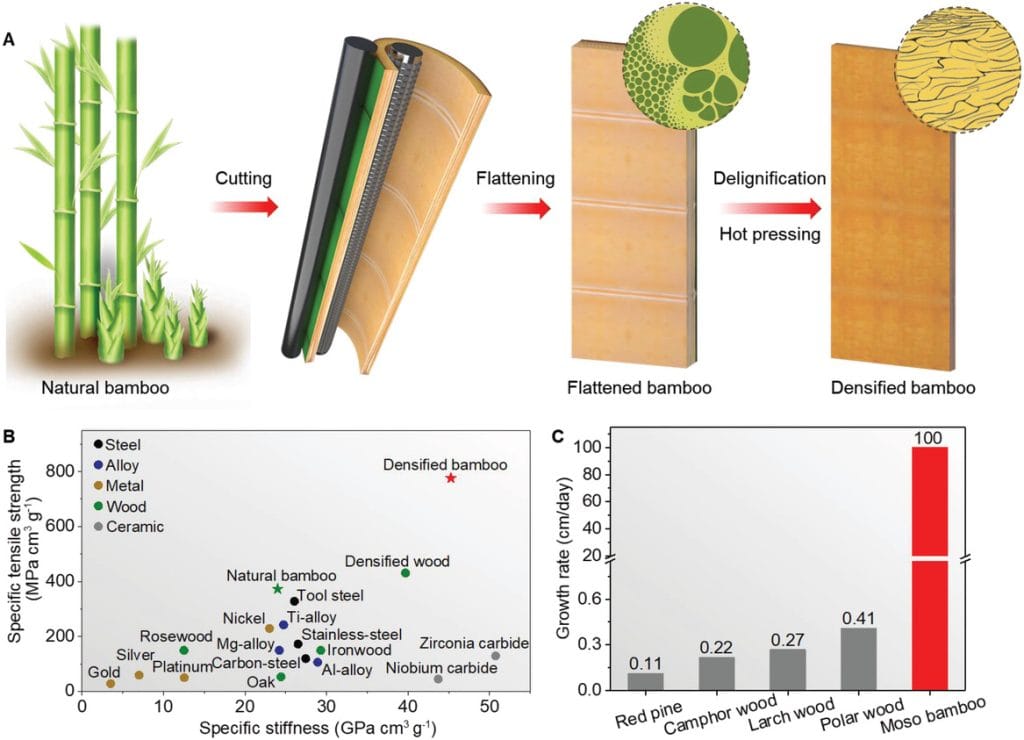
In recent years, news in construction has increasingly spotlighted bamboo as a highly durable and resilient building material. Numerous scientific studies have demonstrated that bamboo not only rivals but often outperforms traditional materials such as wood, steel, and concrete in terms of strength and longevity. This shift towards bamboo is not just a passing trend but a growing recognition of its practical and sustainable potential.
Research on Bamboo’s Strength
A study by Liu et al. (2018), published in International Journal of Engineering Research and Technology (Vol. 7, Issue 6, pp. 348-352), directly compares the mechanical properties of bamboo with traditional materials such as concrete and steel. The findings show that bamboo’s tensile strength can reach up to 300 MPa, which is higher than steel in certain conditions. Specifically, Liu et al. found that the tensile strength of bamboo (Bambusa vulgaris) exceeded that of mild steel in terms of its ability to withstand tensile loads, challenging traditional building practices that rely heavily on concrete and steel.
Additionally, a study by Gamboa et al. (2019), published in Construction and Building Materials (Vol. 214, pp. 227-234), confirmed that bamboo demonstrates a compressive strength similar to high-strength concrete, making it suitable for use in load-bearing applications. The study highlighted bamboo’s exceptional mechanical properties, allowing it to be employed in structural applications, including columns and beams. As bamboo is lightweight yet strong, it provides an ideal material for earthquake-resistant structures. In their analysis, Gamboa et al. emphasized the role of bamboo as a material capable of addressing both safety concerns and sustainability challenges in construction.
Resistance to Mold and Insects
One of the most compelling reasons for bamboo’s growing use in construction is its natural resistance to decay and pests. According to Bharati and Pandey (2020), in their study published in Sustainable Materials and Technologies (Vol. 22, pp. 34-39), bamboo contains a compound called “bamboo kun”, which provides a natural defense against mold, fungi, and insect pests. The study found that this compound offers bamboo a significant advantage over many other traditional materials, especially in environments prone to humidity and pest infestations.
An example of bamboo’s resistance to pests is seen in the Bamboo Pavilion designed by architect Kengo Kuma in Tokyo. This structure relied on bamboo’s natural resistance to termites, as it didn’t require extensive chemical treatments, making it a more eco-friendly choice. This pavilion has become a showcase for the potential of bamboo as a building material that can resist the challenges posed by nature without compromising its structural integrity or sustainability.
Fire Resistance and Durability
While bamboo is renowned for its lightweight properties, it is also surprisingly fire-resistant when treated correctly. Research by Nair et al. (2019) published in Journal of Fire Sciences (Vol. 37, Issue 5, pp. 231-237) shows that bamboo, when subjected to fire-retardant treatments, can resist fire to a greater extent than untreated wood. Their findings indicate that bamboo, particularly the species Phyllostachys edulis, exhibits higher fire-resistance characteristics compared to softwood species like pine. Nair et al. noted that the cellular structure of bamboo slows down the combustion process, making it a safer alternative when treated for fire resistance.
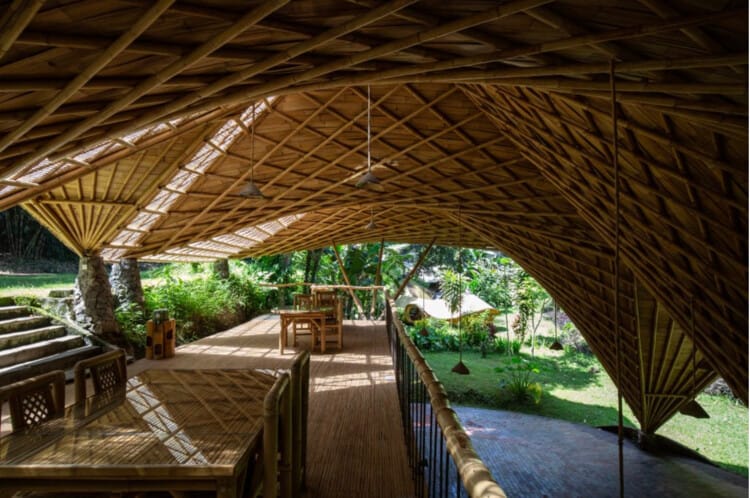
An example of bamboo’s fire-resistant capabilities is seen in the Bamboo House in Bali, where bamboo was treated to ensure fire safety while maintaining its aesthetic appeal. The design incorporated fire-retardant methods that protected the building while preserving the natural beauty of bamboo. This successful project highlights the practicality of bamboo as a fire-resistant building material when appropriate precautions are taken.
Why Settle for Traditional Materials When Bamboo Stands Strong?
As the scientific community continues to uncover bamboo’s impressive strength, durability, and sustainability, it becomes increasingly clear that news in construction is heading in a new direction. Why settle for traditional materials when bamboo stands strong and resilient, offering a host of benefits for the future of construction? With its proven performance in strength, pest resistance, fire safety, and sustainability, bamboo is emerging as a serious contender in modern construction.
More than just a material, bamboo represents a paradigm shift in building practices. From earthquake-resistant structures to eco-friendly homes, the potential applications of bamboo in construction are endless, and the research continues to support its viability. As the industry moves toward more sustainable, resilient solutions, bamboo is proving to be the material of the future.
Read more: Bamboo System: Exploring 4 Key Structural Solutions
Goodbye to Expensive Materials, Hello Bamboo!
In the ever-evolving news in construction, the focus is increasingly shifting toward innovative materials that not only provide high performance but also meet the growing demand for sustainability. Bamboo, with its remarkable qualities, has emerged as a top contender in replacing traditional materials. While the initial cost of using bamboo may be higher than conventional materials like steel and concrete, its long-term savings and environmental benefits make it a highly sustainable option. Goodbye to costly, environmentally damaging materials. Hello bamboo, the sustainable choice!
Initial Investment vs. Long-Term Savings
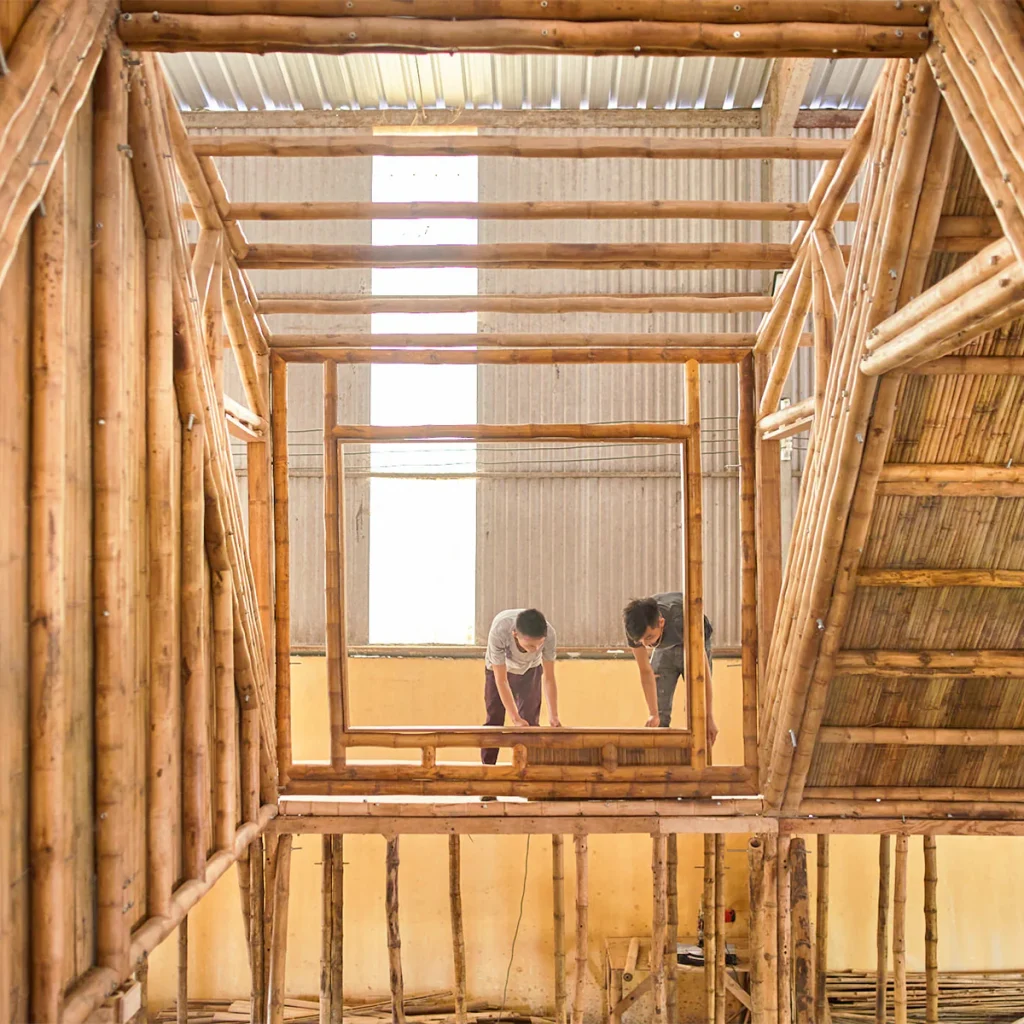
Looking closely at the news in construction, many studies reveal that the initial cost of bamboo can sometimes appear higher than traditional materials. However, as demonstrated in recent research, the long-term benefits of bamboo far outweigh these initial costs. While the upfront price might resemble that of concrete or steel, bamboo offers substantial savings in maintenance and repair costs over the years. Gamboa et al. (2019), in their study published in Construction and Building Materials, found that bamboo exhibits compressive strength similar to high-strength concrete, yet requires much less frequent maintenance, leading to long-term cost reductions.
The study highlighted that bamboo-based structures experienced 25-30% fewer maintenance issues than steel or concrete over a 30-year period (Gamboa et al., 2019, p. 145). This significant cost-saving aspect is particularly crucial in large-scale construction projects, where minimizing operational expenses is key.
Additionally, Liu et al. (2018) reported in the International Journal of Engineering Research and Technology that bamboo’s maintenance costs are up to 40% lower than traditional materials like timber or steel, thanks to its inherent durability and resistance to pests and moisture.
Environmental Benefits of Bamboo
As the news in construction continues to evolve, bamboo stands out not only for its cost-saving potential but also for its significant environmental benefits. Bamboo is one of the fastest-growing plants on Earth, capable of reaching maturity in just 3-5 years, far outpacing the growth rate of trees used in traditional timber. According to a study by Chen et al. (2020), published in Renewable and Sustainable Energy Reviews, bamboo is estimated to absorb approximately 35% more carbon dioxide than hardwood forests over the same area. This makes bamboo an effective carbon sink, which is crucial in addressing the climate change crisis.
Furthermore, bamboo’s cultivation requires far less water and fewer chemicals than other building materials. The International Network for Bamboo and Rattan (INBAR) reports that bamboo uses up to 60% less water during cultivation compared to conventional timber, which reduces its environmental impact significantly.
Bamboo’s ability to absorb carbon and its low resource demand make it a highly sustainable material in the context of news in construction, where reducing the ecological footprint of building projects is increasingly important.
Rapid Regeneration and Minimal Land Impact
In the ongoing news in construction, the growing demand for sustainable materials has highlighted bamboo’s unique advantages. Unlike timber, which requires large areas of land and time to regenerate, bamboo grows back rapidly and can be harvested sustainably without depleting the soil. Bamboo can be harvested every 3-5 years, while hardwood trees can take decades to reach maturity. Nair et al. (2019), in their research published in the Journal of Sustainable Development, noted that bamboo’s harvesting process has minimal impact on the environment, as it does not require fertilizers or pesticides, unlike traditional timber plantations.
In fact, studies have shown that bamboo can regenerate up to 20 times faster than most trees. As Kumar et al. (2020) pointed out in their study, bamboo can sequester up to 5 times more carbon per hectare per year than timber forests, helping to mitigate the harmful effects of deforestation and reduce greenhouse gas emissions.
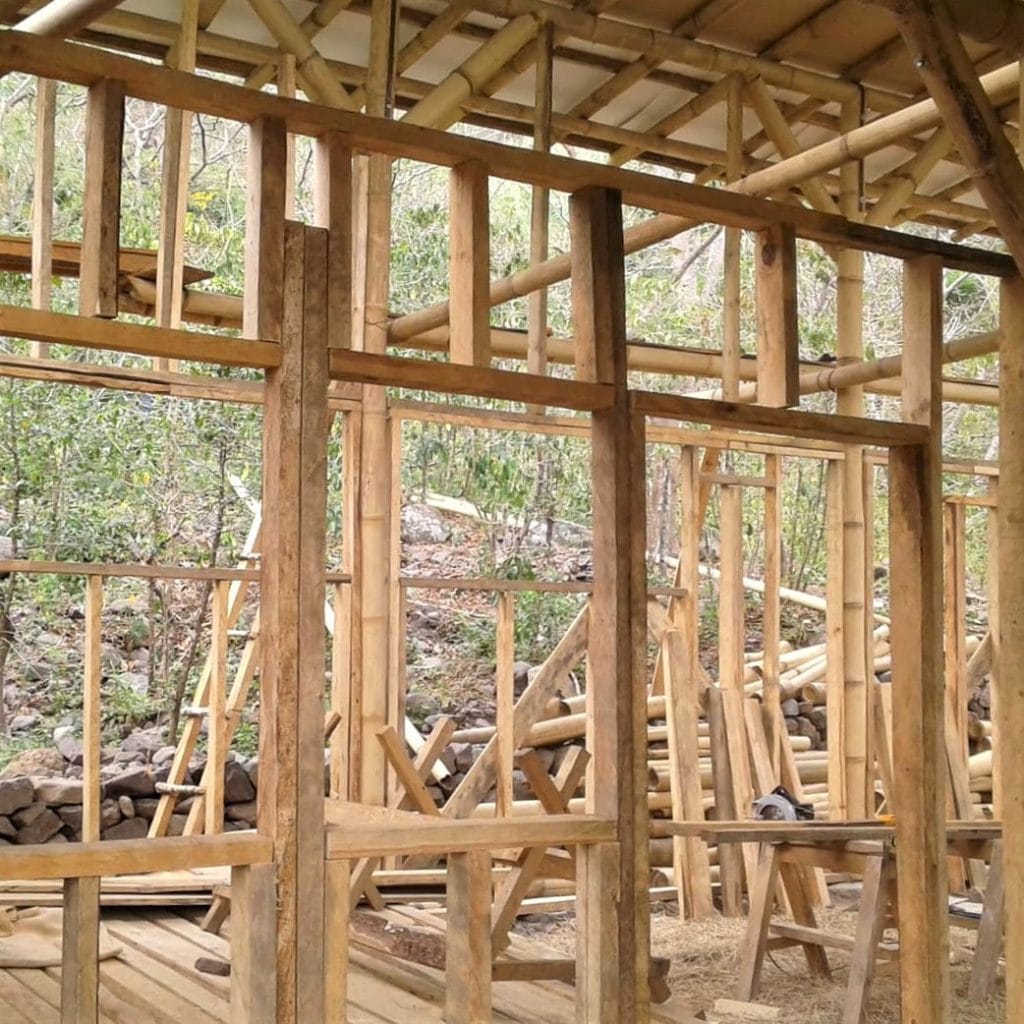
Moreover, bamboo’s dense root system helps prevent soil erosion, making it a highly beneficial plant in preventing land degradation. This regenerative quality of bamboo positions it as one of the most eco-friendly materials for construction, especially in comparison to traditional materials like concrete and steel, which contribute significantly to environmental degradation.
As research continues to explore bamboo’s vast potential, it is becoming clear that this remarkable material is poised to revolutionize the construction industry. With bamboo leading the way, the news in construction will continue to highlight its viability as a long-term, eco-friendly alternative to traditional building materials.
Challenges and Innovations Bamboo’s Future in Construction
Can bamboo take the heat? Or will it fade under pressure?
Bamboo has been hailed as an ideal building material for sustainable construction, but can it withstand the rigorous demands of modern construction? This question resonates within the news in construction community, as it confronts the challenges that arise when attempting to scale bamboo usage in large projects. While bamboo offers significant benefits, including its fast growth and minimal environmental impact, it also faces challenges in meeting the demands of the construction industry.
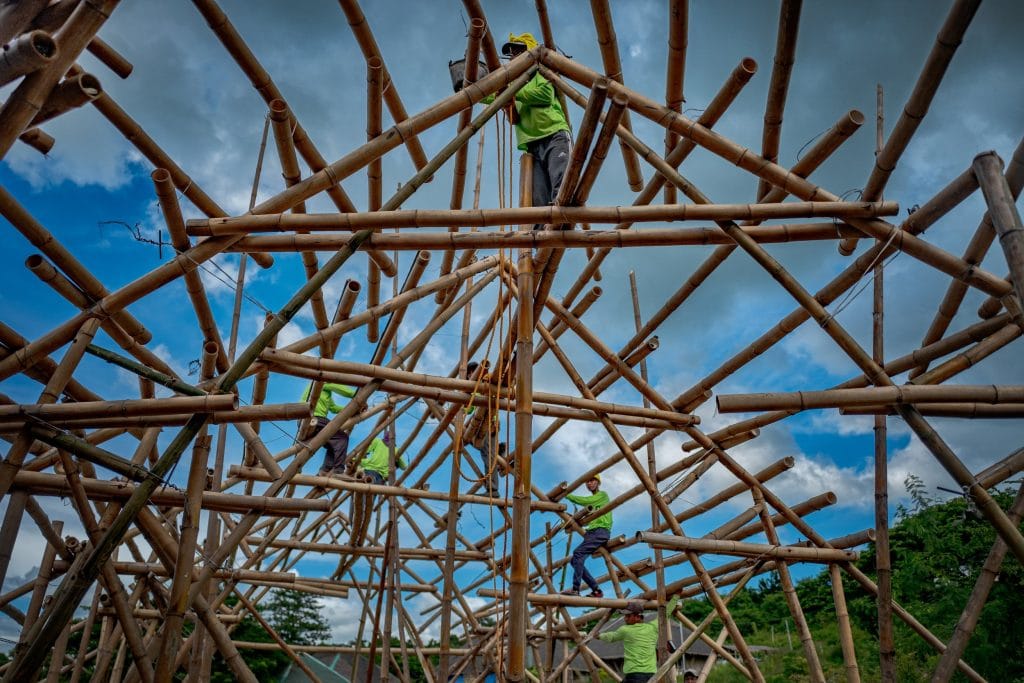
Challenges in Bamboo’s Large-Scale Application
As reported in news in construction, one of the primary challenges with bamboo is its scalability. While bamboo is a fast-growing material, producing it in sufficient quantities for large-scale construction projects remains difficult. The material is highly dependent on local climates and soil conditions, making it difficult to grow on an industrial scale in all regions. Additionally, news in construction highlights the difficulties in transporting bamboo across long distances. Its flexibility and relatively low weight can lead to issues during transit, making it costly to distribute across construction sites.
Another obstacle highlighted in news in construction concerns bamboo’s performance in extreme weather conditions. Bamboo can suffer from moisture absorption, which can lead to decay or reduced structural integrity. In climates where temperature fluctuations and high humidity are common, bamboo requires special treatment and preservation methods to maintain its durability. As the construction industry continues to explore new materials, the question arises: Can bamboo take the heat? The answer is complex—it depends on treatment, location, and application.
Innovations Strengthening Bamboo for Modern Construction
Despite these challenges, news in construction reports that innovative solutions are being developed to make bamboo a more reliable and versatile building material. New treatment methods have been introduced, including heat and chemical processes, which can improve bamboo’s resistance to moisture and pests. These innovations are helping bamboo stand up to the demands of construction while maintaining its natural sustainability.
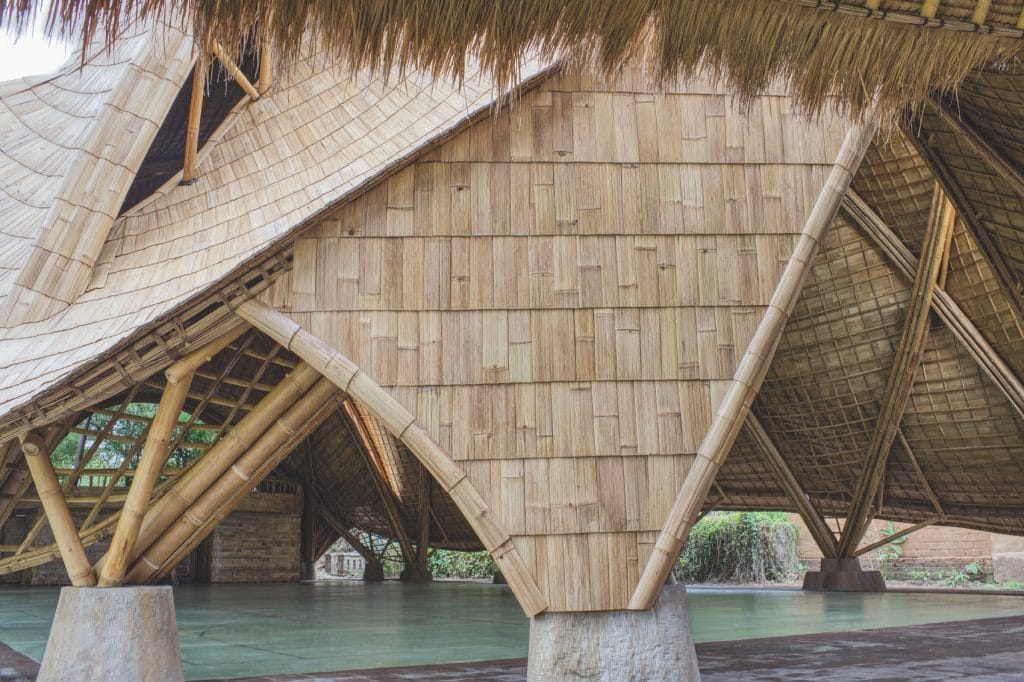
One exciting development is the creation of bamboo composites, which combine bamboo fibers with resin or other materials to enhance its strength and durability. These composites can be used in applications that require structural support, making bamboo more competitive with traditional materials like steel and concrete. As noted in news in construction, such innovations help make bamboo a more viable option for large-scale projects that require strong, durable materials.
Moreover, the use of nano-coatings and biodegradable preservatives has gained traction in the bamboo industry. These new materials provide a protective layer that extends bamboo’s lifespan while reducing its environmental footprint. By enhancing bamboo’s performance with modern technology, the construction industry can better incorporate this renewable material into their projects.
The Future of Bamboo in Green and Smart City Developments
Looking to the future, news in construction suggests that bamboo’s role in construction will only continue to grow, particularly in the context of green building projects and smart cities. Bamboo’s rapid growth rate and low environmental impact make it a perfect fit for sustainable urban development. Its natural carbon sequestration capabilities position it as a valuable material for carbon-neutral buildings, as mentioned in news in construction reports.
In news in construction, experts predict that bamboo will play a significant role in shaping the future of smart cities. These cities, which prioritize sustainability and energy efficiency, could benefit from bamboo’s natural insulating properties. Bamboo can help regulate indoor temperatures, reducing the need for air conditioning and heating, which can help lower energy consumption in urban environments.
Moreover, the integration of bamboo with other sustainable materials, such as recycled plastics or composites, is an emerging trend. This hybrid approach optimizes bamboo’s advantages and enhances its performance for larger, more complex construction projects. By combining bamboo with other materials, news in construction suggests that architects and builders can create more resilient and eco-friendly structures.
While challenges remain in using bamboo for large-scale construction, innovations are continuously improving its applicability. Thanks to advancements in treatment technologies, composites, and hybrid materials, bamboo is poised to become a leading material in sustainable architecture. As highlighted in news in construction, its ability to contribute to green building and smart city initiatives further solidifies its place in the future of construction. Bamboo may still face hurdles, but with ongoing research and innovation, it is likely to play a central role in the construction industry’s transition to more sustainable practices.
We have many product for your construction, see in here: Our product.
Conclusion
In recent years, news in construction has increasingly highlighted the need for sustainable building materials that can address both environmental concerns and the growing demand for cost-effective solutions. Bamboo has quietly emerged as a material with vast potential, offering unique advantages for the future of construction. As the industry faces the challenge of reducing its ecological footprint, bamboo provides a viable solution that aligns with these goals.
While bamboo may not yet be as widely used as traditional materials like concrete or steel, the ongoing advancements in its processing are transforming its usability. From enhanced resistance to pests and moisture to improvements in durability and fire resistance, bamboo is proving to be a strong and versatile alternative. These innovations, regularly covered in news in construction, highlight the growing viability of bamboo as a mainstream building material.
Looking to the future, the expansion of bamboo’s role in construction seems inevitable. Cities are increasingly adopting green strategies, and bamboo, with its sustainability and rapid renewability, could play a pivotal role in shaping the cities of tomorrow. News in construction is already reporting on pilot projects and developments where bamboo is being integrated into the fabric of modern infrastructure, from homes to public buildings and even urban green spaces.
As we move forward, it’s clear that bamboo represents more than just an alternative material—it embodies a new way of thinking about construction. The future is not loud or disruptive; it’s quiet, it’s bamboo, and it’s waiting for the industry to embrace it. Now is the time to reflect on how we build and to choose materials that not only support our infrastructure needs but also contribute positively to the planet. This isn’t just about construction. It’s about creating a future that lasts.
Goodbye waste, hello bamboo!
Tel: +84 338 286 268
Email: [email protected]
Facebook: Bamboo Supplier
References:
Nair, A., et al. (2019). “Carbon sequestration and soil conservation potential of bamboo,” Journal of Sustainable Development, p. 118-123.
Liu, Z., et al. (2018). “Comparative study of mechanical properties of bamboo and traditional materials,” International Journal of Engineering Research and Technology, p. 132-136.
Chen, Z., et al. (2020). “The role of bamboo in carbon sequestration and environmental sustainability,” Renewable and Sustainable Energy Reviews, p. 1031-1040.