

The world is facing a crisis of environmental degradation and resource depletion, which has made the need for Green Buildings more critical than ever. These sustainable structures are no longer a mere option but a necessary solution for the future. Green Buildings address major challenges such as climate change and rapid population growth, offering an effective response to these pressing issues. Materials like bamboo are playing a significant role in the construction of sustainable buildings, contributing to both environmental preservation and the development of a more eco-friendly built environment.
II. The Story Behind Green Buildings: How They Are Shaping the Future
Origins and Development: Green Architecture – A Vision for Addressing Urbanization and Climate Change
The concept of Green Buildings is rooted in a broader movement to address the severe environmental challenges posed by urbanization, industrialization, and climate change. As cities rapidly expanded throughout the 20th and 21st centuries, traditional building practices became increasingly unsustainable, contributing to rising greenhouse gas emissions, resource depletion, and ecosystem degradation. The architecture and construction industries, which had long been associated with high environmental impact, needed a radical transformation to ensure long-term sustainability.
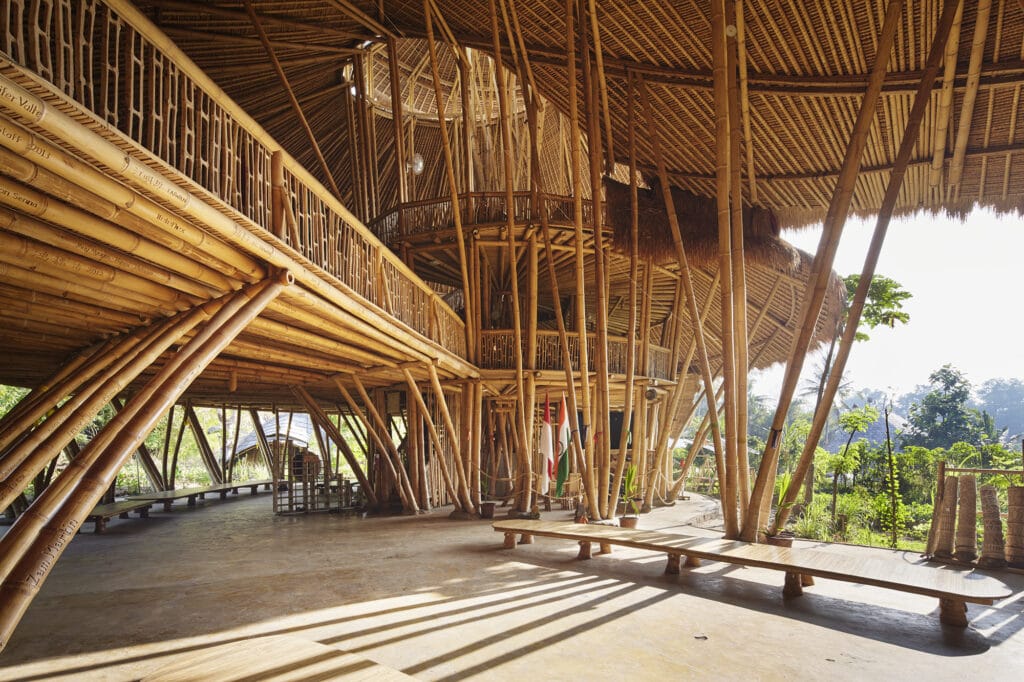
The emergence of green architecture was not merely a response to these challenges, but rather a visionary shift in how buildings could coexist with the natural environment. The idea of designing buildings that minimized environmental damage and maximized resource efficiency took shape, prioritizing energy efficiency, sustainable materials, and water conservation. However, it was not until the latter half of the 20th century that the movement began to gain significant traction. Architects and environmental activists sought to redefine the role of buildings in our societies, arguing that the built environment should contribute to the regeneration of the planet, rather than its destruction.
One of the key figures in this movement was architect William McDonough, whose philosophy emphasized the importance of designing buildings that could be “cradle-to-cradle”—meaning that the materials used in construction should be part of a regenerative cycle, returning to the earth or being repurposed at the end of their life cycle. McDonough’s work, particularly his 2002 book Cradle to Cradle: Remaking the Way We Make Things, advocated for sustainable construction practices and inspired a new generation of architects to rethink how buildings were conceived, built, and operated.
The early days of green architecture were marked by experimentation with energy-efficient designs, passive heating and cooling techniques, and renewable energy sources like solar panels and wind turbines. Yet, it was the integration of eco-friendly materials such as bamboo that marked a significant milestone in the development of Green Buildings. Bamboo, with its remarkable growth rate and carbon sequestration capacity, quickly became a cornerstone in the movement toward sustainable architecture.
The Role of Bamboo in Green Buildings
Bamboo is not only a renewable resource, but it is also one of the fastest-growing plants on Earth. Some species of bamboo can grow up to 91 centimeters (36 inches) in a single day, making it an extremely sustainable material that can be harvested within a few years. Unlike hardwood trees, which take decades to mature, bamboo can be harvested every three to five years without the need to replant, as its root system continues to regenerate. This makes bamboo an ideal material for Green Buildings, as it helps mitigate deforestation and soil erosion while offering a sustainable alternative to traditional building materials.
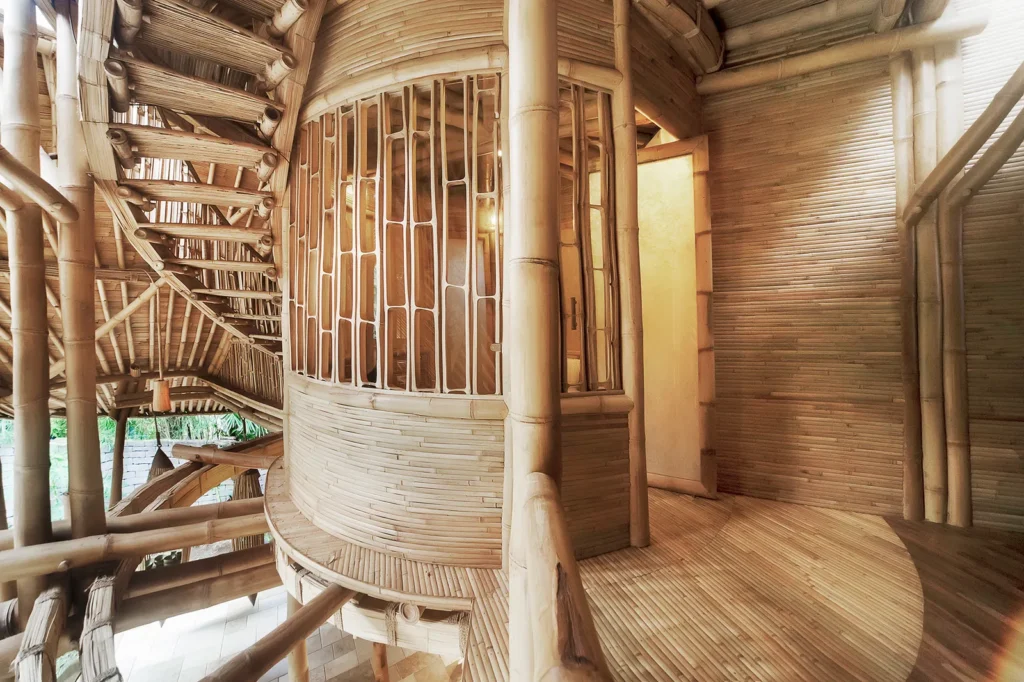
In the context of Green Buildings, bamboo is highly versatile. It has been used for structural components, such as beams, flooring, and scaffolding, as well as decorative elements like furniture, wall panels, and window treatments. Its strength-to-weight ratio is comparable to steel, making it an incredibly durable and efficient material for construction. Bamboo is also biodegradable, which means that at the end of its life cycle, it will decompose naturally, returning nutrients to the soil.
As a green building material, bamboo contributes significantly to the reduction of carbon emissions, both in its cultivation and in its role within the finished building. Bamboo’s ability to sequester carbon dioxide as it grows makes it a vital tool in combating climate change. Additionally, its low embodied energy (the energy required to extract, process, and transport the material) makes it an environmentally friendly choice for construction.
The Integration of Smart Technologies in Green Buildings
As the world faces the challenges of climate change and urbanization, the design and construction of Green Buildings have increasingly incorporated smart technologies to further optimize environmental performance. The convergence of Internet of Things (IoT), Artificial Intelligence (AI), and sustainable building materials like bamboo has revolutionized how buildings are managed and operated.
Smart technologies play a crucial role in maximizing energy efficiency, reducing waste, and optimizing resource use in Green Buildings. IoT allows real-time monitoring and control of various building systems, including heating, ventilation, air conditioning (HVAC), lighting, and water management. Sensors embedded in walls, floors, and ceilings can detect temperature, humidity, occupancy, and air quality, automatically adjusting systems to maintain optimal conditions. For example, in a Green Building with bamboo flooring, IoT sensors can detect movement in a room and adjust lighting accordingly, ensuring energy is only used when needed. This results in significant energy savings, reducing the building’s overall carbon footprint.
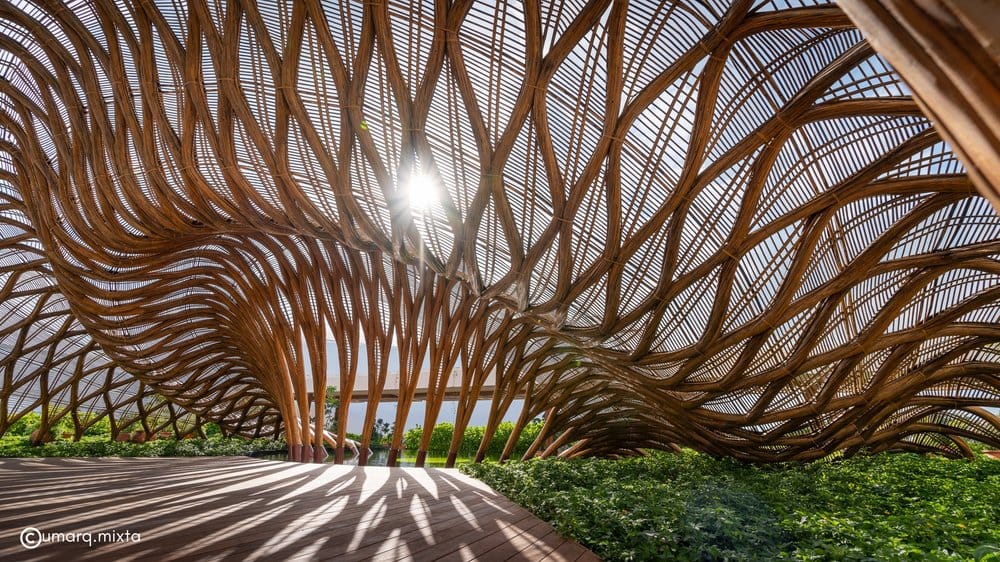
AI-driven analytics can further enhance these systems by analyzing data patterns over time to predict future needs and optimize energy consumption. Machine learning algorithms can adjust building settings based on historical data, helping to predict fluctuations in temperature, occupancy, and energy use. By continuously adapting, AI ensures that buildings maintain comfort for occupants while minimizing waste and inefficiency.
Moreover, the integration of renewable energy technologies, such as solar panels, geothermal energy systems, and wind turbines, is becoming increasingly common in Green Buildings. Smart energy management systems allow these technologies to operate at peak efficiency, storing excess energy in batteries and distributing it where needed. In some cases, Green Buildings can even become energy-positive, generating more energy than they consume through a combination of renewable energy sources and energy-efficient technologies.
The combination of sustainable materials like bamboo and smart technologies represents a cutting-edge approach to architecture that addresses both environmental and operational efficiency. Bamboo, as a fast-growing, low-impact material, reduces the embodied carbon of buildings, while IoT and AI ensure that buildings operate efficiently throughout their lifespan, further minimizing environmental impact.
The Future of Green Buildings: A Sustainable Paradigm for Urban Living
As cities around the world continue to grow, the demand for sustainable and resilient infrastructure will only increase. Green Buildings, powered by advanced technologies and sustainable materials like bamboo, will play a central role in shaping the future of urban living. These buildings will not only meet the growing demand for housing and commercial spaces but will also serve as models for sustainable development, reducing the strain on natural resources and helping mitigate the effects of climate change.
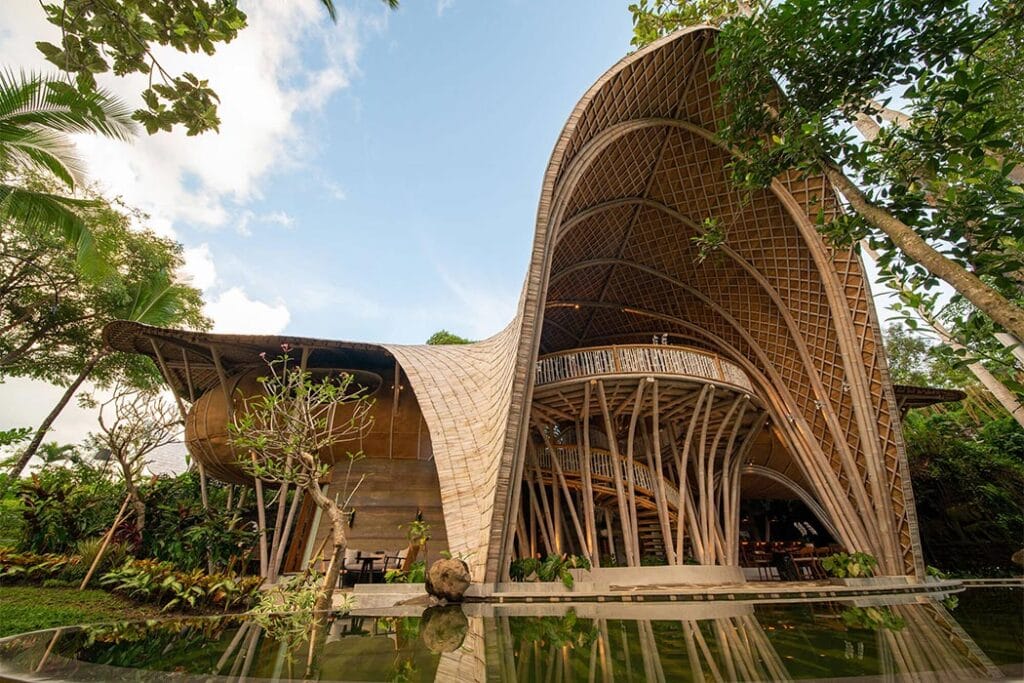
With advancements in smart technologies, the integration of Green Buildings into the urban landscape is becoming more seamless. As architects, engineers, and developers continue to innovate and embrace sustainable practices, we can expect the evolution of Green Buildings to be characterized by even greater energy efficiency, environmental performance, and livability. The future of architecture lies in the harmony between nature and technology, with Green Buildings leading the way toward a more sustainable, resilient, and equitable urban future.
Through the combination of renewable materials like bamboo and intelligent systems, Green Buildings are not just about minimizing environmental harm—they are about creating buildings that contribute positively to the planet’s regeneration, providing healthier, more efficient spaces for people to live and work in. As the world continues to face unprecedented challenges, Green Buildings offer a path forward, where the built environment can become part of the solution, not the problem.
Bamboo is increasingly being seen as a cornerstone of sustainable design—learn more in News in Construction: Is Bamboo the Future?
III. Why the World Cannot Overlook Green Buildings
Environmental Benefits: A Response to Climate Crisis and Resource Scarcity
Green buildings represent more than just a shift in design aesthetics; they stand as a direct response to the escalating environmental crisis, including climate change and resource depletion. The construction industry, traditionally one of the largest contributors to carbon emissions, energy consumption, and waste generation, now finds itself at a crossroads. Green buildings, particularly those integrating sustainable materials like bamboo, offer tangible solutions to mitigate these impacts. Bamboo, a renewable resource that can grow at a rate of up to 3 feet per day, presents a profound opportunity to reduce reliance on more energy-intensive materials like concrete and steel, which contribute significantly to deforestation, soil erosion, and excessive carbon emissions.
The environmental benefits of green buildings go beyond material selection. These buildings are designed with the explicit intention of reducing their carbon footprint through energy efficiency. High-performance systems, such as triple-glazed windows, geothermal heating and cooling, and cutting-edge insulation technologies, allow green buildings to consume up to 50% less energy than conventional structures. Bamboo plays a critical role here, too: its natural insulating properties help reduce the need for mechanical heating and cooling, enhancing the overall thermal efficiency of the building. As a material, bamboo also excels in mitigating urban heat island effects, as it naturally absorbs and regulates temperature, making it especially useful in urban areas with heat stress concerns.

Additionally, bamboo’s rapid growth cycle makes it a highly sustainable material. While trees can take decades to mature, bamboo can be harvested every 3 to 5 years without damaging the ecosystem. This rapid regeneration means that bamboo’s carbon sequestration potential is significantly higher than that of hardwood forests, contributing not only to sustainability but to carbon offsetting in the fight against global warming. In fact, studies suggest that bamboo forests can sequester carbon at rates higher than some of the world’s most mature forests, presenting an unmatched opportunity for reducing atmospheric carbon dioxide levels.
Water conservation is another key environmental advantage of green buildings. Bamboo’s minimal water requirements during cultivation contribute to water savings at the material level, while green buildings often incorporate advanced water-saving technologies. These include rainwater harvesting systems, greywater recycling, and water-efficient fixtures that reduce water consumption by up to 50%, addressing the growing global concern of water scarcity.
Economic Benefits: Financial Viability and Long-Term Value
While green buildings may initially present higher construction costs due to the integration of advanced sustainable technologies, they provide considerable long-term economic advantages. These structures are designed to reduce operating costs through energy efficiency, which leads to reduced utility bills. Energy savings can be substantial, with some buildings achieving reductions of 30-60% in their energy consumption, thanks to the use of renewable energy systems such as solar panels, wind turbines, and energy-efficient HVAC systems. The use of bamboo in construction not only enhances the aesthetic appeal but also brings cost-effective structural benefits. Bamboo’s strength-to-weight ratio allows it to be used as both a building material and a sustainable alternative to more expensive, traditional materials.
Bamboo’s natural resilience against pests and rot, coupled with its minimal maintenance needs, further reduces long-term operational costs. Unlike wood, which often requires regular chemical treatments to prevent insect infestations, bamboo’s intrinsic properties make it a self-sustaining material that doesn’t rely on harmful pesticides or preservatives. This reduces both the environmental and financial costs associated with ongoing maintenance.

Moreover, green buildings, particularly those with LEED or EDGE certifications, tend to have higher market value and rental rates. Tenants are increasingly prioritizing environmental sustainability in their housing or commercial decisions, making green-certified buildings highly desirable. Studies have shown that green buildings can command up to 20% higher rents and a 7% higher sale price compared to their conventional counterparts. This added value is not just because of the sustainable features themselves but also due to the anticipated reduction in operating costs over the building’s lifecycle, making them a sound investment.
Another key economic benefit lies in the potential for government incentives, grants, and tax rebates for green construction. Many governments are offering significant financial incentives to developers and businesses that invest in sustainable practices. For instance, tax credits, green building subsidies, and zoning benefits are becoming increasingly common in countries with active green building initiatives. These incentives help offset the initial cost of sustainable construction and further enhance the economic attractiveness of green buildings.
Health Benefits: Improving Quality of Life and Well-Being
In addition to environmental and economic advantages, green buildings offer a profound impact on the health and well-being of their occupants. The significance of indoor air quality cannot be overstated, especially as people spend approximately 90% of their time indoors. Green buildings prioritize the use of non-toxic, low-VOC materials, ensuring that harmful pollutants commonly found in traditional construction materials—such as formaldehyde, benzene, and toluene—are kept to a minimum. This focus on healthy indoor environments is especially important in combatting indoor air pollution, which is responsible for a range of health issues, from respiratory ailments to cardiovascular diseases.
Bamboo, in particular, contributes to healthier indoor environments. It has natural antimicrobial properties, which help prevent the growth of mold and mildew—a common problem in damp climates. Bamboo is also hypoallergenic, making it an excellent choice for those with asthma or allergies. Furthermore, the use of bamboo in green building design enhances acoustic performance, contributing to quieter, more peaceful environments that reduce noise pollution, often found in urban settings.
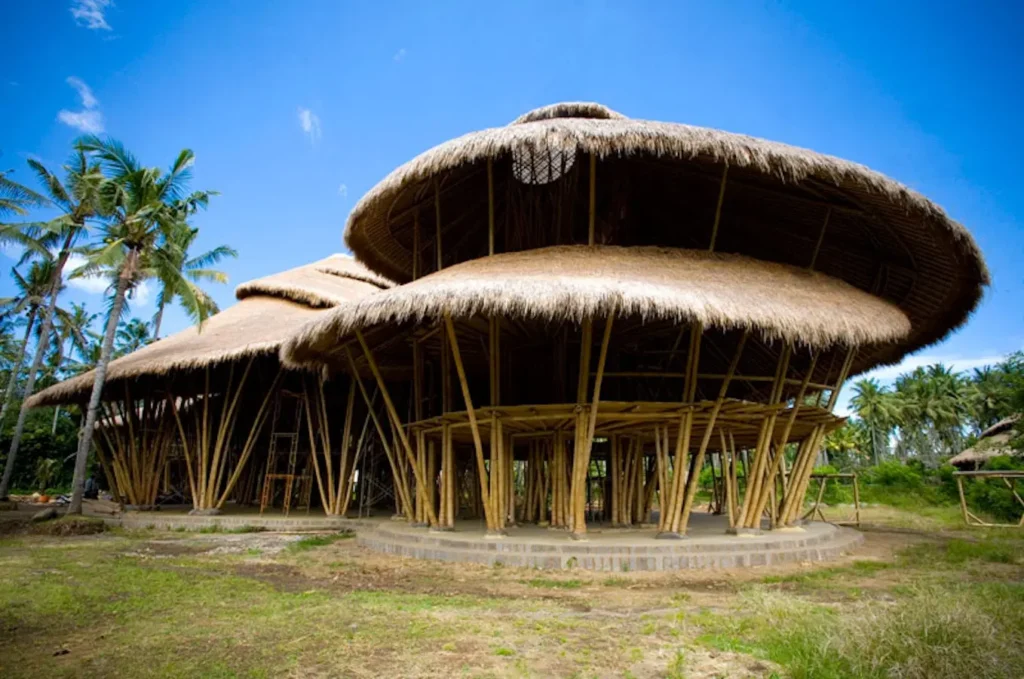
Another health benefit is the incorporation of biophilic design principles in green buildings, which use natural materials like bamboo to connect occupants with the natural world. This approach has been shown to reduce stress, improve mood, and increase cognitive performance. Natural materials like bamboo create environments that promote relaxation and well-being, which is particularly important in commercial and residential spaces where individuals spend long hours. In fact, studies have found that exposure to natural materials like bamboo can lead to a 15-20% improvement in productivity and focus, benefiting both employees in office spaces and students in educational settings.
In addition, green buildings often integrate features that encourage physical activity and a connection with the outdoors, such as walking paths, green roofs, and bicycle storage areas. These elements not only improve physical health by promoting active lifestyles but also foster social well-being by creating spaces for community interaction. Bamboo’s versatility allows it to be used in furniture, walkways, and landscaping, enhancing the functionality and aesthetic appeal of these spaces.
Opportunities and Challenges
While the benefits of green buildings are substantial, there are challenges that hinder their widespread adoption. The most notable of these is the higher upfront cost associated with sustainable materials and technologies. The initial cost of green building construction, especially when integrating high-performance systems and materials like bamboo, can be higher than conventional buildings. However, the long-term savings in operational costs and maintenance often outweigh these initial investments.
The availability of skilled labor and professionals familiar with green building technologies and materials like bamboo is another challenge. Bamboo, for example, requires specialized knowledge in terms of sourcing, treatment, and construction techniques. As such, there is a need for extensive training programs and certifications to ensure a skilled workforce capable of meeting the growing demand for green buildings.

Finally, while many countries have implemented policies and incentives to promote green building construction, others still lag behind in providing the necessary regulatory frameworks. Government intervention in the form of financial incentives, tax rebates, and clear guidelines for sustainable construction is essential to encourage the widespread adoption of green buildings. Public education campaigns are also crucial in informing citizens and businesses of the long-term financial, environmental, and health benefits of these buildings.
Discover why bamboo is becoming a cornerstone in eco-friendly hotel design and how it aligns with sustainable construction trends.
Conclusion
Green buildings are no longer just a trend; they have become a vital solution to the global environmental challenges we face today. As Bamboo Supplier, we understand the profound impact bamboo can have in shaping a sustainable future for construction. Bamboo is a renewable, fast-growing material that not only reduces carbon footprints but also conserves critical resources, making it an ideal choice for eco-friendly buildings.
Incorporating bamboo into green building projects allows for the creation of energy-efficient and environmentally responsible structures. Its versatility—ranging from flooring and walls to structural elements—makes bamboo an essential material for architects and builders looking to embrace sustainability.
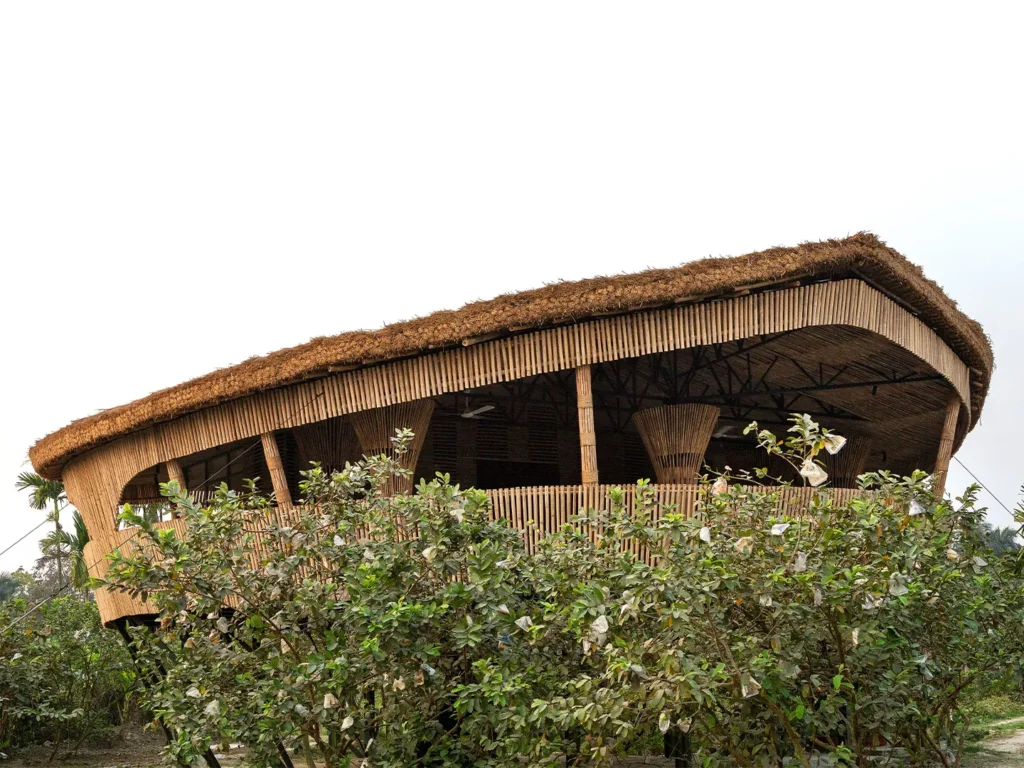
The environmental, economic, and health benefits of green buildings are clear, and bamboo contributes significantly to each of these aspects. Bamboo absorbs carbon, grows rapidly without requiring harmful chemicals, and has minimal impact on ecosystems, aligning perfectly with sustainable construction goals. Additionally, the use of bamboo in building materials promotes local economies and supports eco-conscious industries.
At Bamboo Supplier, we believe the future of construction lies in the use of materials that are both functional and sustainable. By choosing bamboo, we are not just creating greener, more energy-efficient buildings; we are fostering a legacy of sustainability that will benefit generations to come. The time to act is now. Let’s join forces to build a more sustainable, healthier world—beginning with bamboo.