

Bamboo is more than just a sustainable material—it’s a marvel of nature. With its unparalleled growth and shaping abilities, bamboo has quickly become one of the most sought-after resources in modern design and construction. Its astonishingly fast growth, coupled with its natural flexibility and adaptability, allows it to thrive in various environments and be shaped into nearly anything you can imagine. This article will take you through the fascinating process behind the growth and shaping of bamboo, showing you why this incredible material is revolutionizing industries and paving the way for a greener, more creative future.
Growth And Shaping Of Bamboo: Unmatched Speed And Unique Patterns
Bamboo is widely recognized for its fast-growing nature and unique physical properties, which make it a highly valuable resource in today’s world. The growth and shaping of bamboo are not only fascinating in terms of how rapidly it grows, but also in the way it adapts and transforms, creating unique patterns. Let’s explore how the growth and shaping of bamboo occur, as well as the fascinating science behind its rapid growth and the influence of environmental factors on its development.
The Science Behind Bamboo’s Rapid Growth
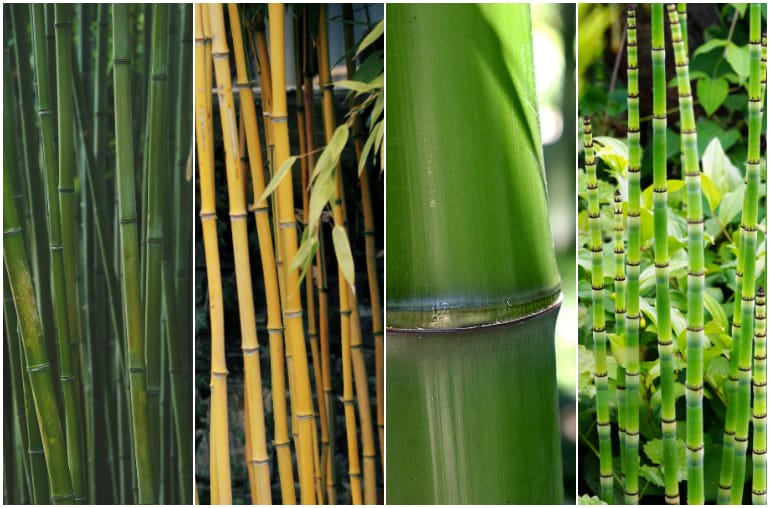
Bamboo is, without a doubt, one of the most fascinating plants in the world, known for its incredibly rapid growth and shaping. It is considered the fastest-growing plant species, capable of growing as much as 91 cm (35 inches) in a single day under optimal conditions. This remarkable speed can be attributed to the plant’s highly efficient rhizomatic root system, which is capable of spreading widely beneath the ground. Bamboo’s extensive root network allows it to absorb water and nutrients quickly, supporting the rapid growth and shaping of bamboo even in less-than-ideal soil conditions.
What makes bamboo’s growth and shaping even more fascinating is its short life cycle. While most trees require decades to reach maturity, bamboo can regenerate fully within just 3 to 5 years. This incredibly short growth cycle allows for sustainable harvesting, making bamboo a highly renewable resource. The growth and shaping of bamboo not only contribute to its impressive physical properties but also provide ecological benefits. Bamboo forests can be harvested every few years without depleting the soil, unlike trees, which take decades to regenerate.
In addition to its rapid growth and shaping, bamboo has remarkable adaptability. It thrives in a wide range of climates, from tropical regions to temperate zones, due to its ability to adjust its growth and shaping to suit the environmental conditions. This characteristic makes bamboo an ideal material for use in diverse applications, from construction to textiles.
Natural Growth Patterns And Environmental Influence
The growth and shaping of bamboo are not uniform across all species, and various factors influence how bamboo grows in different environments. Bamboo generally grows tall and straight, with clear nodes and hollow stems. The hollow structure of bamboo stems not only makes it lightweight but also provides incredible strength and flexibility, essential for its durability and wide range of uses.

However, the growth and shaping of bamboo can vary depending on the environmental conditions. For example, bamboo that grows in shaded areas tends to grow taller and straighter, seeking light, while bamboo exposed to wind may exhibit a more curved or twisted shape. These unique growth patterns contribute to the aesthetic appeal of bamboo, making it a desirable material for both functional and decorative purposes.
The local environment plays a crucial role in shaping bamboo’s growth and shaping. In tropical regions, bamboo species tend to grow larger and more rapidly, as they have access to the abundant sunlight, warmth, and moisture typical of such climates. In contrast, bamboo grown in temperate regions often produces more compact, denser stalks, adapted to withstand colder temperatures and harsher conditions. This variability in the growth and shaping of bamboo is what makes it such a versatile material, able to suit a variety of needs, from construction beams to furniture and textiles.
Bamboo’s Ability To Grow In Harsh Environments
One of the standout features of the growth and shaping of bamboo is its resilience in harsh environments. Bamboo is known for its remarkable ability to grow in poor soils, dry conditions, and even saline or polluted land. This resilience is primarily due to its extensive root system, which allows it to anchor itself securely in the soil, even in rocky or sandy terrain. Furthermore, bamboo’s ability to endure drought and other extreme conditions enables it to thrive in regions where other plants might struggle.
The growth and shaping of bamboo in such environments have significant environmental benefits. Bamboo plays a key role in combating soil erosion. Its dense root network helps bind the soil together, reducing the risk of landslides and soil degradation. Additionally, bamboo’s deep roots allow it to help restore nutrients to the soil, making it a natural solution for improving soil health and combating desertification.
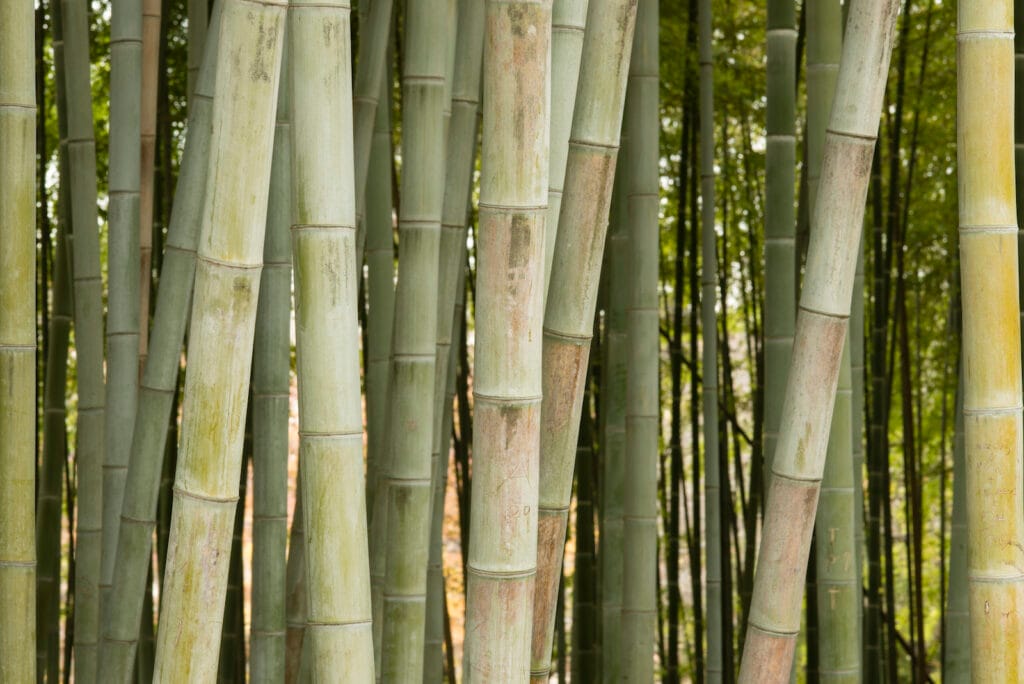
Bamboo’s ability to thrive in difficult conditions also makes it a sustainable material for use in land reclamation projects. The growth and shaping of bamboo can be used to rehabilitate barren land, helping to prevent further environmental degradation while providing a valuable, renewable resource for local communities. This ecological role of bamboo highlights its potential to support green initiatives and sustainable practices in agriculture and construction.
The Environmental Impact Of Bamboo Growth
The growth and shaping of bamboo offer a range of environmental benefits that contribute to its status as one of the most sustainable plants on the planet. One of the most important ecological roles of bamboo is its ability to capture and store carbon dioxide. Bamboo grows at such a rapid rate that it absorbs CO2 from the atmosphere at a rate much higher than that of most other plants. As a result, bamboo forests serve as carbon sinks, helping to mitigate climate change and reduce the impact of human activities on the environment.
In addition to carbon sequestration, bamboo forests provide critical support for biodiversity. The growth and shaping of bamboo create habitats for a variety of species, from insects to larger animals. Bamboo’s dense foliage offers shelter, while its fast-growing nature ensures a constant supply of fresh shoots and leaves, which serve as food for many species, including pandas and other wildlife. By fostering these ecosystems, bamboo plays a crucial role in maintaining the balance of natural habitats.
Bamboo also contributes to environmental conservation by preventing soil erosion and improving water retention in the soil. The dense root network of bamboo stabilizes the soil, preventing runoff and allowing water to be absorbed more effectively. This property makes bamboo an excellent choice for use in reforestation and land restoration projects, as well as for erosion control along riverbanks and coastal areas.
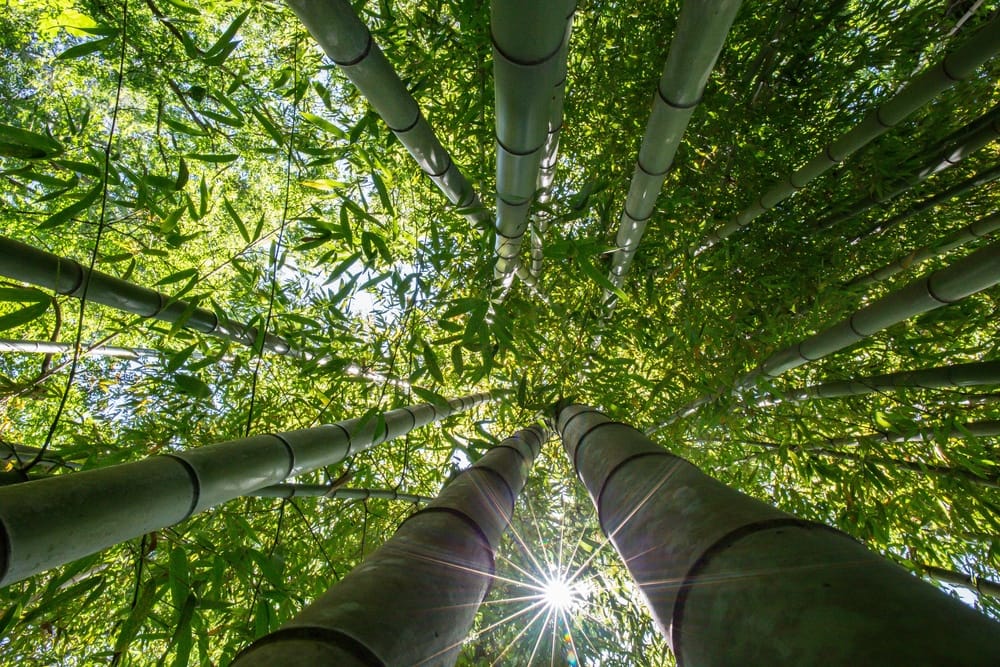
The rapid growth and shaping of bamboo are crucial in making it a viable and sustainable resource for a variety of industries. Its ability to regenerate quickly and its minimal impact on the environment make bamboo a preferred material in the pursuit of more sustainable, eco-friendly practices across sectors such as construction, textiles, and agriculture. Whether used for building homes, creating furniture, or producing sustainable products, the growth and shaping of bamboo continue to redefine how we approach environmental sustainability.
Shaping Bamboo: Natural Forms And Human Innovations
Bamboo, with its natural flexibility and unique growth patterns, has long captivated artisans and architects alike. From its inherent response to environmental conditions to the innovative techniques humans have developed to shape it, the shaping of bamboo is an exciting exploration of both nature’s artistry and human ingenuity. The growth and shaping of bamboo interact in fascinating ways, influencing everything from the natural forms it takes to the intricate designs that have been crafted by humans over centuries.
The Natural Shaping Of Bamboo
The growth and shaping of bamboo are closely tied to environmental factors such as sunlight, humidity, and wind. Bamboo exposed to ample sunlight grows tall and straight, while in windy regions, it bends or twists, forming elegant curves as an adaptive response. This natural process highlights bamboo’s resilience and adaptability, as its structure optimizes to thrive in varying conditions, balancing strength and flexibility to suit its environment. Bamboo’s remarkable ability to adjust to these pressures underscores its unique role in diverse ecosystems.
The growth and shaping of bamboo in nature are also deeply tied to the plant’s developmental cycle. Bamboo tends to grow in clusters, with its culms reaching their full height in a single growing season, while lateral growth continues over time. This rapid growth pattern is a characteristic feature of bamboo, and the natural shaping of its stems allows it to spread efficiently, occupying a variety of terrains, from riverbanks to mountain slopes. This flexibility is a hallmark of bamboo’s growth and shaping, which contributes to its resilience across various climates.
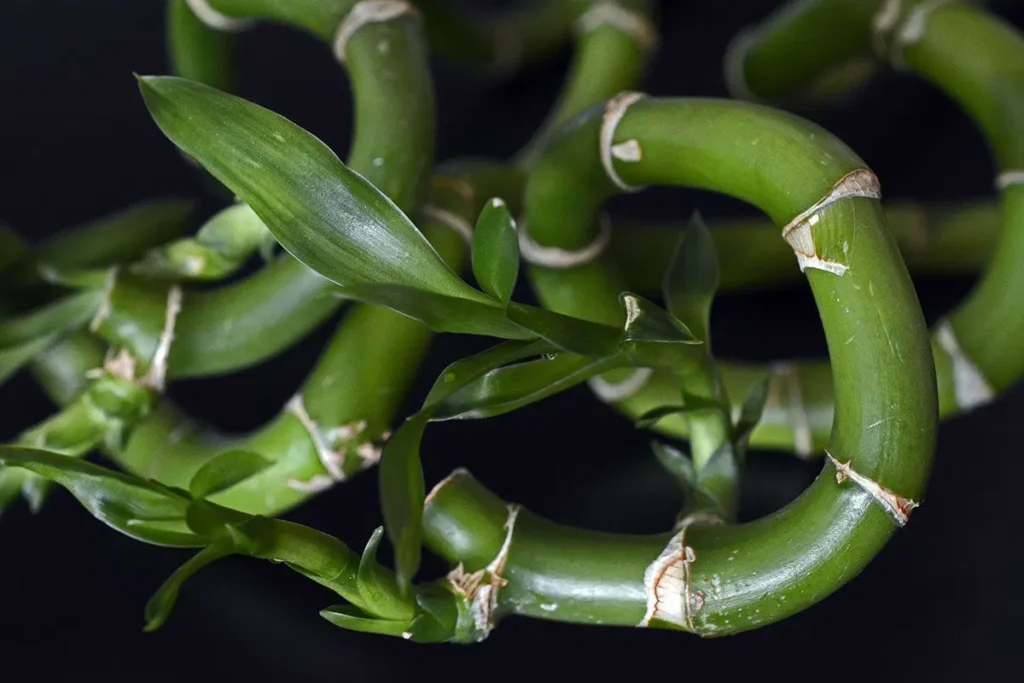
Delve into the fascinating Bamboo System and uncover four essential structural solutions that redefine sustainability and design.
Traditional Shaping Techniques
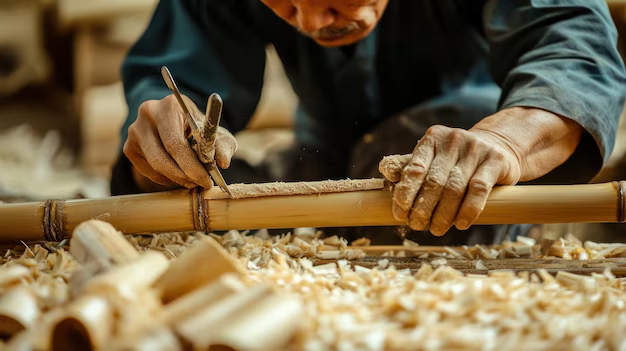
Throughout history, the shaping of bamboo has been an art passed down through generations. Traditional craftsmen have honed their skills in manipulating bamboo to create functional and decorative items. The growth and shaping of bamboo by these artisans are carried out using methods such as steam bending and tying, techniques that utilize the natural flexibility of bamboo to mold it into desired shapes without damaging its integrity. Steam bending, in particular, involves heating bamboo culms to a pliable state, allowing them to be bent into curves and complex forms that are often used in furniture, architecture, and everyday items. These techniques highlight the harmonious relationship between the natural growth of bamboo and the human innovations in shaping it.
Bamboo’s ability to be shaped into various forms has been central to many cultural traditions. For example, in countries like Japan, China, and Vietnam, bamboo has been used for centuries to build structures such as bamboo houses, bridges, and scaffolding. The growth and shaping of bamboo, when combined with human creativity, have led to the development of sustainable, resilient construction practices. The intricate weaving of bamboo into furniture or decorative items also draws on the plant’s natural properties, further enhancing the relationship between the growth of bamboo and its human application.
Modern Innovations In Bamboo Shaping
In contemporary times, the growth and shaping of bamboo have entered a new era with advanced technology. Modern machinery allows bamboo to be processed and shaped with a level of precision that was once unimaginable. This has paved the way for the creation of highly complex products, including bamboo bicycles, furniture, and intricate architectural structures. The growth and shaping of bamboo are no longer limited to traditional methods; the use of machines has allowed for mass production of customized designs while maintaining the material’s natural aesthetic qualities.
One of the most groundbreaking innovations in bamboo shaping is the use of heat treatment processes, such as thermal modification, which makes bamboo even more versatile. By applying heat, bamboo becomes more pliable and can be shaped into smooth, flowing curves without the risk of cracking or splitting. This process, often combined with specialized machinery, allows bamboo to be used in a wide variety of applications, from durable flooring to curved architectural features. The growth and shaping of bamboo through these modern techniques demonstrate how the material can adapt to cutting-edge design needs while still retaining its sustainable, eco-friendly qualities.
Challenges In Shaping Bamboo
Shaping bamboo presents unique challenges, particularly due to its growth patterns and natural fragility. The growth and shaping of bamboo are intricately linked, as bamboo’s inherent flexibility makes it both adaptable and delicate at the same time. One of the main obstacles arises when bamboo dries. As it loses moisture, it becomes more brittle and prone to cracking, which can hinder the shaping process, especially for more intricate or functional designs. The natural fibers of bamboo, though strong, can also splinter if not handled with care during the shaping process.
To address this issue, experts have developed several techniques to protect and enhance the growth and shaping of bamboo. One effective method involves applying moisture-retaining coatings or natural oils that protect the bamboo from drying out and cracking. Additionally, combining bamboo with other sustainable materials, such as biodegradable plastics or even resins, has allowed for a more resilient end product. These methods help preserve the bamboo’s natural properties, ensuring its strength and flexibility are maintained, while also supporting its ability to be shaped into a variety of forms. This blend of natural and engineered materials ensures that bamboo’s growth and shaping are not hindered by its fragility, but rather enhanced, enabling the creation of durable, long-lasting products.
Living Bamboo Sculptures
In the realm of the growth and shaping of bamboo, a groundbreaking trend is the use of “growing architecture.” Unlike traditional methods that shape bamboo after it has matured, this technique involves guiding the plant’s growth from a young age. Molds and frameworks are used to direct the natural growth of bamboo, allowing it to take on functional forms such as chairs, fences, and even bridges. This innovative method represents a perfect fusion of nature’s design and human ingenuity, demonstrating the potential of the growth and shaping of bamboo to create structures that are both sustainable and aesthetically pleasing.
The beauty of living bamboo sculptures lies in their dynamic nature. As bamboo continues to grow, the structures evolve, becoming a seamless part of the natural environment. This form of “living architecture” not only challenges traditional construction methods but also underscores bamboo’s potential to contribute to sustainable design. The growth and shaping of bamboo in this way show that bamboo is not just a material, but an active participant in creating long-lasting, eco-friendly structures that blend harmoniously with nature.
Bio-Engineered Bamboo
The future of the growth and shaping of bamboo is being shaped by exciting advances in bio-engineering. Researchers are working to develop specialized bamboo varieties that exhibit unique growth patterns and characteristics right from the start. These bio-engineered bamboos are being designed to grow in predetermined shapes, such as curved or spiral forms, reducing the need for post-growth shaping and making the process more efficient. This innovation is set to revolutionize the way we view bamboo as a material, particularly in fields like construction and design.
Bio-engineered bamboo opens up a whole new world of possibilities. With these engineered varieties, it’s now possible to create bamboo that is tailored for specific purposes – whether for furniture, architecture, or even new types of sustainable products. The ability to customize the growth and shaping of bamboo not only makes the material more versatile but also contributes to sustainability efforts. By engineering bamboo to grow with the desired structural properties from the outset, we can reduce waste and energy consumption, making bamboo an even more environmentally friendly option. This breakthrough heralds a new era where bamboo’s natural growth and shaping are enhanced through innovation, making it a material with endless potential.
Applications Of Growth And Shaping Techniques
Bamboo is a remarkably versatile material with a vast range of applications, thanks to its ability to grow quickly and be shaped into different forms. The innovative techniques used in growth and shaping of bamboo have led to its widespread adoption in various fields, from architecture to everyday products. In this section, we will explore the diverse ways in which these growth and shaping techniques are applied, showcasing bamboo’s flexibility, sustainability, and cultural significance.
In Sustainable Architecture
The growth and shaping of bamboo are key to its application in sustainable architecture, a field that increasingly demands eco-friendly materials. Bamboo, with its rapid growth and remarkable versatility, has been celebrated for its ability to grow up to 3 feet per day, making it one of the most renewable resources on the planet. The careful manipulation of growth and shaping of bamboo allows architects to create structures that are not only environmentally sustainable but also visually captivating and functional.
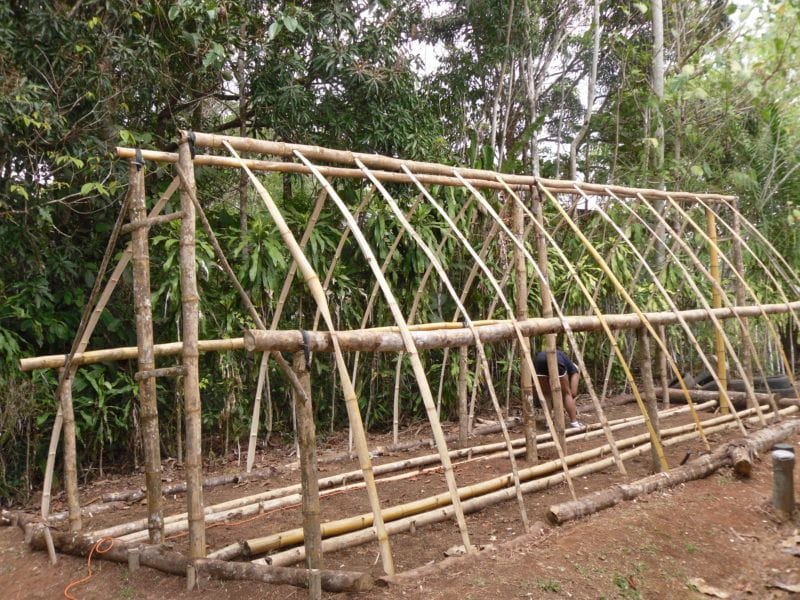
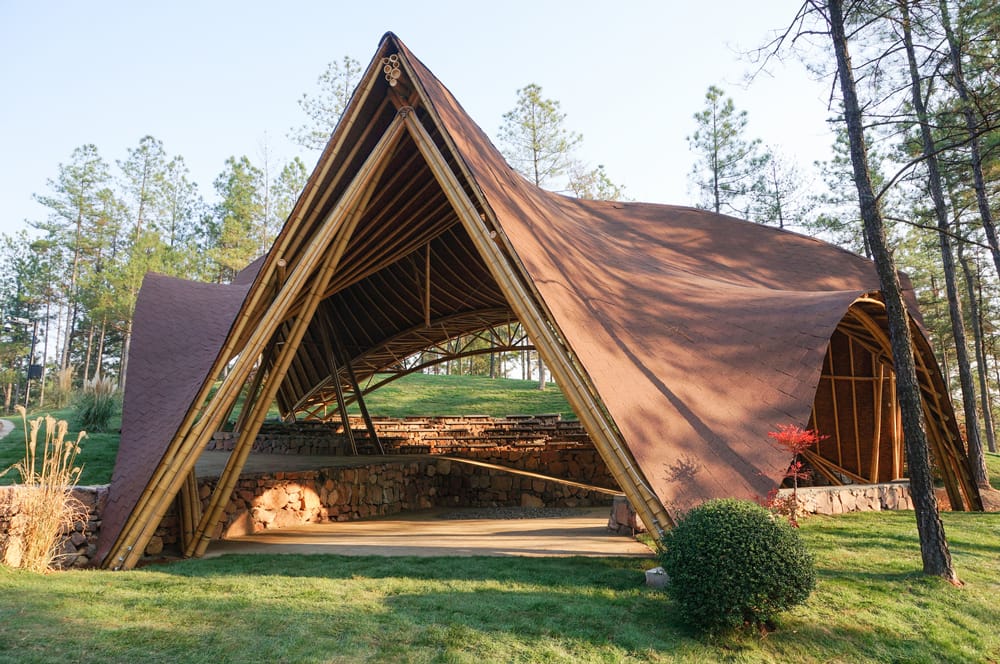
Traditional bamboo construction techniques, where bamboo poles are shaped to fit specific needs, have evolved into more modern designs that incorporate advanced shaping techniques, including steam bending and heat treatments. The growth and shaping of bamboo allows for both intricate and large-scale structures, from residential homes and bridges to cultural pavilions and event spaces. The hollow nature of bamboo provides an excellent strength-to-weight ratio, making it both a durable and lightweight material for building.
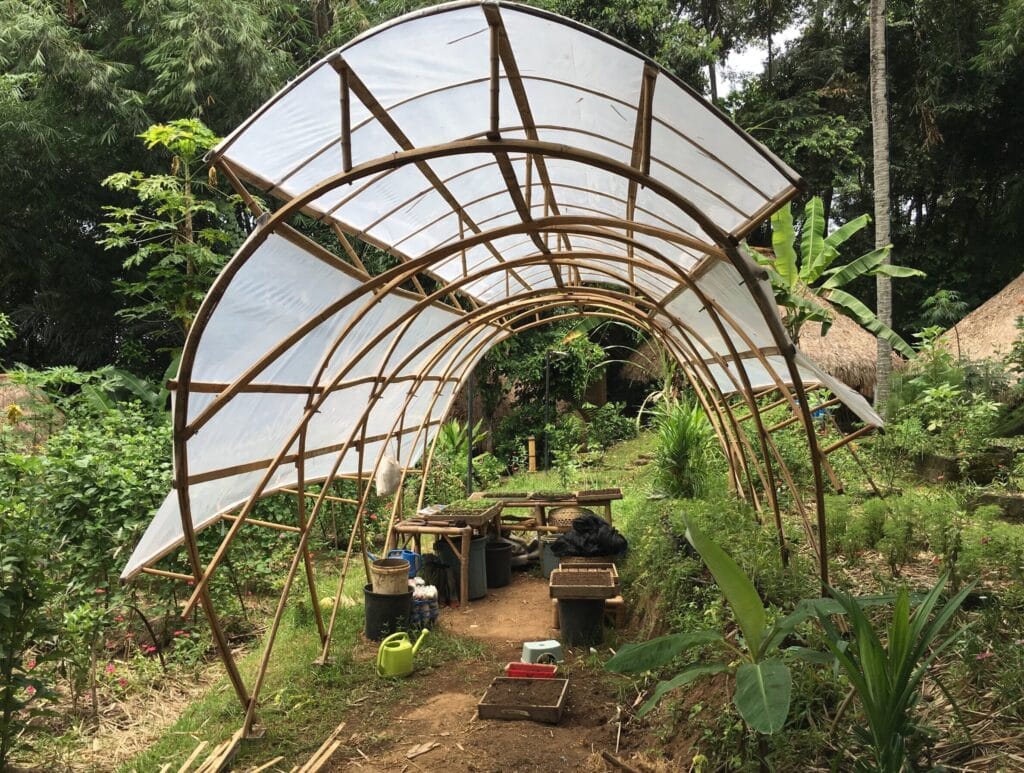
Architects often take advantage of bamboo’s natural flexibility, creating curved forms and arches, which integrate seamlessly into both modern and traditional architectural styles. By manipulating the bamboo’s growth process and using shaping techniques such as forced bending, bamboo becomes adaptable to varied structural needs, resulting in designs that are both aesthetically pleasing and structurally sound.
The integration of growth and shaping of bamboo into architectural design is also reflective of its sustainability. Bamboo construction, when paired with other green practices such as the use of natural ventilation and passive solar heating, leads to buildings that not only minimize environmental impact but also enhance the quality of life for their occupants. Bamboo’s role in this field is pivotal as it aligns perfectly with the need for more sustainable, energy-efficient buildings that minimize resource consumption.

Discover the latest insights in construction and explore why bamboo could be the future of sustainable building.
Everyday Uses Of Bamboo Products
In addition to its use in large-scale architecture, the growth and shaping of bamboo have found their way into everyday life, impacting everything from kitchenware to home decor. Bamboo’s rapid growth and the ease with which it can be shaped make it a favored material in the production of eco-friendly consumer goods. Products such as bamboo kitchen utensils, storage baskets, and furniture have gained popularity due to bamboo’s resilience, aesthetic appeal, and sustainability.
In the kitchen, bamboo cutting boards, serving trays, and utensils benefit from the careful growth and shaping of bamboo, which allows for smooth, durable surfaces that are resistant to scratching and bacteria. These items are crafted with precision, taking advantage of bamboo’s unique ability to be shaped into ergonomic forms. The use of bamboo in furniture design is equally impressive, as the material’s inherent strength allows for lightweight yet durable chairs, tables, and storage units. These furniture pieces often feature curved lines and organic shapes, made possible by the flexibility and malleability of bamboo during the shaping process.

Furthermore, the growth and shaping of bamboo contribute to the eco-friendliness of these products. Bamboo’s natural properties, combined with modern shaping techniques, enable the production of items that are not only aesthetically pleasing but also biodegradable and renewable. Unlike synthetic materials, bamboo products break down naturally at the end of their lifecycle, reducing the environmental footprint significantly.
Musical Instruments Made Of Bamboo
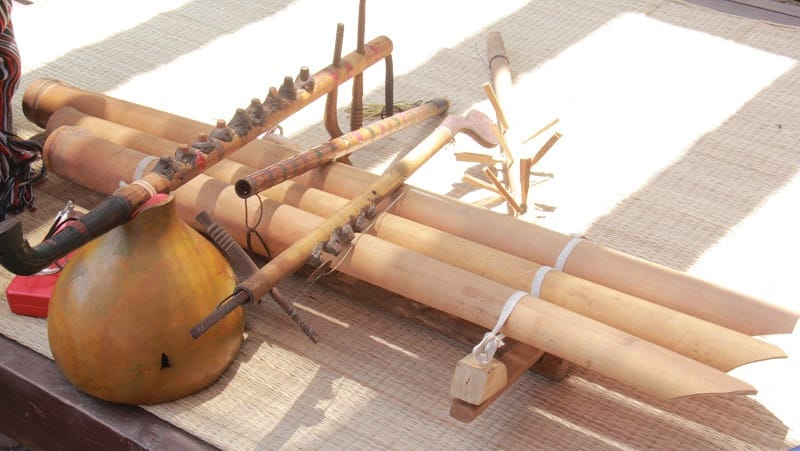
Bamboo’s resonance and hollow structure make it an ideal material for crafting musical instruments, a tradition that dates back thousands of years. The growth and shaping of bamboo is central to creating instruments like flutes, xylophones, and percussion instruments. The hollow cavity of bamboo allows sound to resonate, making it a unique and effective medium for producing rich, full tones.
The craftsmanship involved in shaping bamboo for musical instruments relies on understanding both the material’s natural growth patterns and its acoustic properties. The growth and shaping of bamboo directly influence the tonal qualities of these instruments, with the thickness, length, and internal structure of the bamboo tube determining the pitch and resonance of the sound produced. For example, a bamboo flute’s sound quality is largely determined by how the bamboo is shaped and cut, with small adjustments in shaping affecting the musical output. This deep connection between the material’s growth and its ultimate use in music highlights bamboo’s unique versatility and the intricate craftsmanship required to unlock its full potential.

Beyond traditional uses, bamboo is gaining traction in modern music production, with more contemporary instruments being made from bamboo. These new innovations rely on advanced techniques of growth and shaping of bamboo, often incorporating high-tech processing methods that enhance the material’s durability and precision. As artists and craftsmen explore bamboo’s sound-producing capabilities, they are constantly innovating ways to incorporate this sustainable material into the world of music.
Bamboo As A Symbol Of Resilience And Flexibility
Across many cultures, bamboo is more than just a material; it is a symbol of resilience, adaptability, and flexibility. The growth and shaping of bamboo reflect these values, as bamboo is known for its ability to bend under pressure without breaking, adapting to its environment in ways few other materials can. In many parts of Asia, especially Vietnam, bamboo is revered not only for its practical applications but also as a spiritual symbol of strength, endurance, and flexibility.
The cultural significance of bamboo can be traced back to its natural growth characteristics. In Vietnam, bamboo holds a central place in both tradition and everyday life. It is celebrated in folklore as a symbol of protection and unity, with bamboo groves often encircling villages, offering both shelter and a sense of security. The material is also deeply symbolic in Vietnamese history, representing resilience and strength during periods of hardship. In addition, bamboo is integral to festivals and rituals, embodying harmony between humans and nature.
This cultural symbolism extends to the practical applications of bamboo as well. The growth and shaping of bamboo not only create functional structures but also embody the philosophical principles of bending and adapting to life’s challenges. In Vietnam, bamboo is a cornerstone of craftsmanship and design, featured prominently in items ranging from furniture to traditional musical instruments like bamboo flutes and zithers. Whether in construction, design, or music, bamboo represents the strength to persevere and adapt, making it a material that resonates deeply on both a physical and emotional level.
Bamboo In Future Space Missions
Looking ahead, the growth and shaping of bamboo may soon play a crucial role in the future of space exploration. While it may sound like science fiction, bamboo is being considered as a potential building material for off-world colonies. The fast-growing, renewable nature of bamboo makes it an ideal candidate for construction in space, where materials need to be both lightweight and durable.
The potential of growth and shaping of bamboo in space missions is tied to its ability to thrive in controlled environments. Research into growing bamboo in space habitats has already begun, as its fast growth cycle could help support life support systems. Bamboo’s role in building sustainable habitats on other planets is further emphasized by its ability to grow in a variety of environments, from low-gravity conditions to controlled environments on spacecraft. The growth and shaping of bamboo could contribute to the creation of livable spaces in space, providing oxygen, food, and shelter in a way that few other materials can offer.
As scientists continue to explore the feasibility of using bamboo for space construction, its natural ability to adapt and grow quickly in various environments may revolutionize how we think about off-world habitation. The combination of bamboo’s renewable growth cycle and its malleability through advanced shaping techniques could lead to groundbreaking developments in space architecture and sustainability.
Conclusion
In conclusion, bamboo stands out as an ideal material, celebrated for its rapid growth and remarkable ability to be shaped into a variety of forms. As we have discussed, the growth and shaping of bamboo offer a sustainable, durable, and versatile solution for various industries—from architecture to everyday consumer products, as well as musical instruments. These attributes make bamboo not only an eco-friendly option but also a source of endless creative potential.
At Bamboo Supplier, we pride ourselves on providing high-quality bamboo products that meet the needs of both traditional craftsmanship and modern innovation. We invite you to explore the many possibilities of bamboo in your own projects. Whether you’re seeking materials for sustainable construction, eco-friendly furniture, or unique decor items, the growth and shaping of bamboo can bring your ideas to life in the most natural and effective way.
Let us help you harness the full potential of bamboo. With our range of premium bamboo offerings, we are committed to supporting your creative and production goals. Join us in embracing bamboo’s flexibility, strength, and sustainability to elevate your projects and make a positive impact on the environment. Reach out to Bamboo Supplier today and discover how we can collaborate to bring your visions to life with the power of bamboo.