

As the world shifts toward eco-friendly solutions, bamboo has emerged as an ideal green resource with considerable economic value. With its fast growth rate, versatility, and adaptability, bamboo is making waves in industries as diverse as construction, furniture, food, and renewable energy. This article explores how the economic value of bamboo contributes to sustainable development, with potential benefits for local economies and the global environment.
What is Bamboo, and Why is It Economically Valuable?
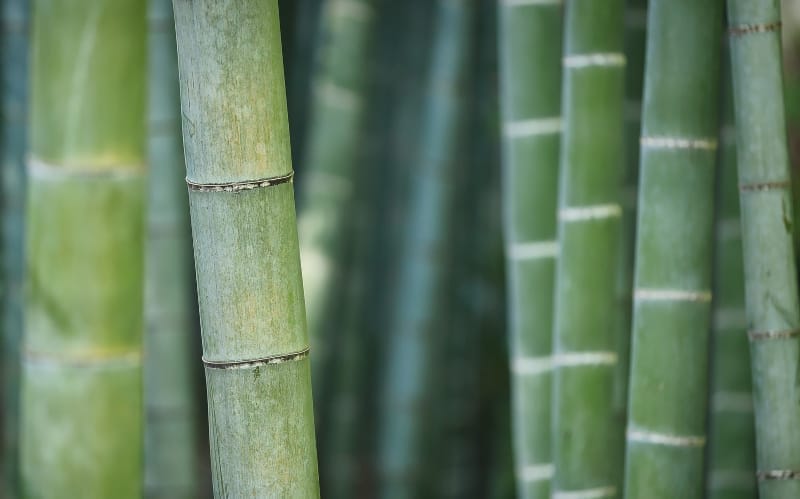
Bamboo, a member of the grass family, is one of the fastest-growing plants in the world. Some species of bamboo can grow up to a meter per day, reaching full maturity in three to five years, far quicker than trees, which can take decades to mature. This rapid growth rate, combined with bamboo’s ability to thrive in various climates and terrains, gives it a unique edge as a renewable resource. Unlike timber, bamboo can be harvested without the need for replanting, as it regenerates from its root system.
Countries such as China, India, Indonesia, and other Southeast Asian nations have long been leaders in bamboo production. For these regions, the economic value of bamboo is clear; it provides a stable income source for rural communities and generates millions in export revenue. As Western markets become more eco-conscious, bamboo has gained popularity as a sustainable alternative in various industries, from construction to consumer goods.
The Economic Value of Bamboo in Construction and Architecture
One of the most prominent applications of bamboo is in the construction and architecture sectors. Bamboo’s strength, flexibility, and resilience make it an excellent material for buildings, flooring, and even furniture. It is also a sustainable alternative to traditional hardwood, which is often linked to deforestation.
Bamboo as a Construction Material
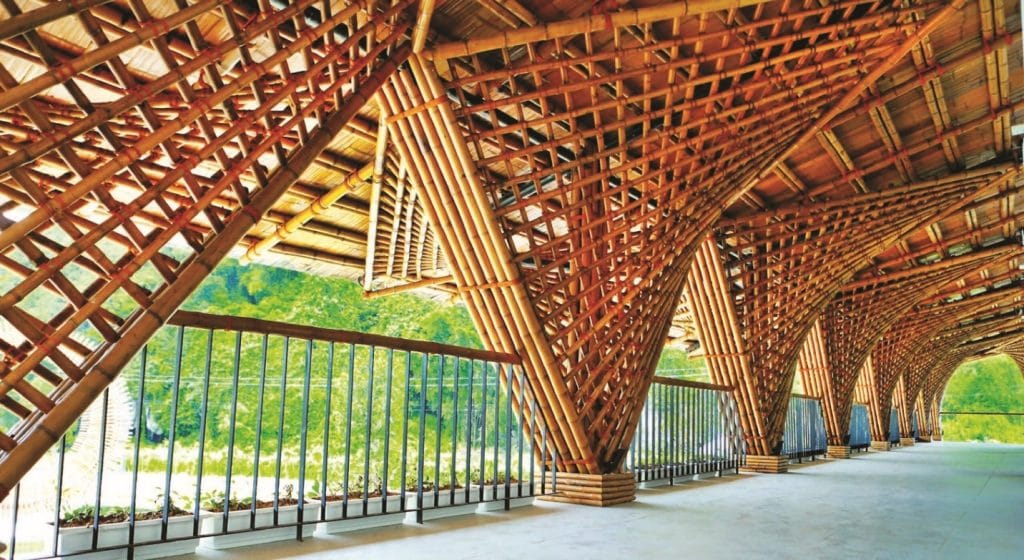
Bamboo has been used in construction for centuries, particularly in Asia, where it is valued for its durability and light weight. Modern architects and engineers are rediscovering bamboo as a material with high tensile strength, making it suitable for earthquake-resistant structures. In countries like Japan and the Philippines, bamboo has been incorporated into buildings designed to withstand seismic activity. The economic value of bamboo in construction is further enhanced by its quick regrowth and low carbon footprint, making it a preferred choice for green building projects.
In addition to traditional construction, bamboo is now used to produce eco-friendly flooring and wall panels. These products offer an attractive alternative to conventional hardwood, which contributes to forest depletion. With the rise in eco-friendly construction materials, bamboo flooring and wall panels have found a growing market among environmentally conscious consumers. In regions like North America and Europe, bamboo flooring is increasingly sought after, boosting the economic value of bamboo in the construction industry.
Bamboo Furniture – A Booming Industry
Beyond construction, bamboo’s appeal in the furniture industry has been on the rise. Bamboo furniture is not only durable and lightweight but also aesthetically pleasing, with a natural look that appeals to a wide range of tastes. From minimalist modern designs to more traditional styles, bamboo furniture has captured the interest of consumers who prioritize sustainability in their purchasing choices.

The global bamboo furniture market has been expanding, driven by demand in both Eastern and Western markets. In countries such as the United States, Canada, and Germany, bamboo furniture has gained popularity, supported by the growing awareness of sustainability issues. This trend underscores the economic value of bamboo, as furniture makers increasingly seek eco-friendly alternatives to wood.
Bamboo’s Role in the Handicraft and Household Goods Sectors
Bamboo’s economic value extends to the handicraft industry, where it is used to make a wide range of products, including baskets, utensils, kitchenware, and decorative items. Bamboo-based handicrafts support traditional artisans and local economies in countries like India, Thailand, and the Philippines, where bamboo crafting has a rich cultural history.
Export Opportunities for Bamboo Handicrafts
In addition to supporting local economies, bamboo handicrafts have significant export potential. Many artisans in bamboo-producing regions export their products to Western markets, where they are valued for their unique craftsmanship and eco-friendly nature. The economic value of bamboo in the handicraft sector is evident, as these products align with consumer preferences for sustainable, handmade items. Bamboo handicrafts are marketed as eco-friendly alternatives to plastic, which is falling out of favor due to environmental concerns.
The economic value of bamboo handicrafts is amplified by growing demand from consumers who value sustainability. In markets such as Europe and North America, bamboo handicrafts have become a symbol of environmentally conscious living, further increasing their value in international trade.
Read more: Unraveling the Mystery of Bamboo Species
Bamboo as a Nutritious Food Source – The Economic Impact of Bamboo Shoots
Beyond its utility as a material, bamboo also has economic value in the food industry, particularly through bamboo shoots, which are a staple in Asian cuisine. Bamboo shoots are not only nutritious but also low in calories, making them an attractive addition to health-conscious diets.
The Health Food Market for Bamboo Shoots
The economic value of bamboo in the food industry is steadily rising as bamboo shoots gain popularity outside of Asia. High in fiber, vitamins, and minerals, bamboo shoots align with the growing consumer demand for plant-based and low-calorie foods. The United States, Japan, and other countries are importing bamboo shoots as demand for healthy and organic foods rises.

Bamboo shoots are exported in canned, fresh, and dried forms, expanding the economic value of bamboo into new markets. This trend demonstrates how bamboo’s economic value is growing beyond its traditional uses, as new applications in the food industry provide further income for bamboo farmers and exporters.
Environmental and Economic Benefits of Bamboo Cultivation
Bamboo’s economic value is closely tied to its environmental benefits, which make it an ideal crop for sustainable agriculture. Its dense root network stabilizes soil, helping to prevent erosion and conserve water. In areas where land degradation is a concern, bamboo offers a sustainable solution for restoring and maintaining soil health.
Bamboo’s Role in Climate Change Mitigation
One of the most remarkable environmental benefits of bamboo is its high rate of carbon absorption. Certain species of bamboo absorb carbon dioxide more efficiently than many trees, making bamboo an excellent choice for carbon sequestration. This ability to capture CO₂ has attracted interest from governments and organizations looking to meet carbon reduction targets.

Bamboo’s carbon sequestration capacity has led to its use in reforestation and afforestation projects, contributing to climate change mitigation efforts. By absorbing significant amounts of CO₂, bamboo helps reduce greenhouse gases, which in turn enhances its economic value as an environmentally beneficial crop. Investments in bamboo plantations as part of carbon offset programs provide additional revenue streams for bamboo farmers.
Overcoming Challenges in the Bamboo Industry
Despite its advantages, the bamboo industry faces challenges that need to be addressed to maximize its economic value. Key obstacles include competition from synthetic materials, lack of modern processing infrastructure, and inconsistent demand in the global market. Processing bamboo requires specialized technology, which is often unavailable in many bamboo-producing regions. This lack of infrastructure limits the quality and variety of bamboo products available for export.
Government Policies and Support for Bamboo Cultivation
To unlock the full economic value of bamboo, many governments are introducing policies and incentives to promote its cultivation and processing. In India, for instance, the government has implemented programs aimed at supporting bamboo farmers by providing subsidies, training, and improved access to processing facilities. Similarly, organizations like the United Nations Environment Programme (UNEP) and the Food and Agriculture Organization (FAO) offer technical and financial support to encourage bamboo cultivation in developing regions. These initiatives are crucial for realizing bamboo’s economic potential by ensuring consistent quality and supply in global markets.
Innovations in Bamboo Technology – Boosting Economic Value
Technological advancements in bamboo processing are expanding its applications and economic value. New developments in bamboo composite materials, where bamboo fibers are mixed with other materials, are creating stronger, more versatile products. These composites have applications in sectors like construction and manufacturing, where they serve as eco-friendly substitutes for plastic and metal.
Bamboo in Green Construction and Nanotechnology
In green construction, bamboo composites are gaining popularity for their durability and sustainability. Lightweight yet strong, bamboo composites are ideal for earthquake-resistant buildings and structures, making them a preferred choice in regions prone to seismic activity. Additionally, advancements in nanotechnology are being applied to bamboo products, enhancing their durability, aesthetic appeal, and marketability. By improving bamboo’s performance and appeal, these innovations significantly boost the economic value of bamboo, allowing it to compete with traditional materials in high-tech applications.
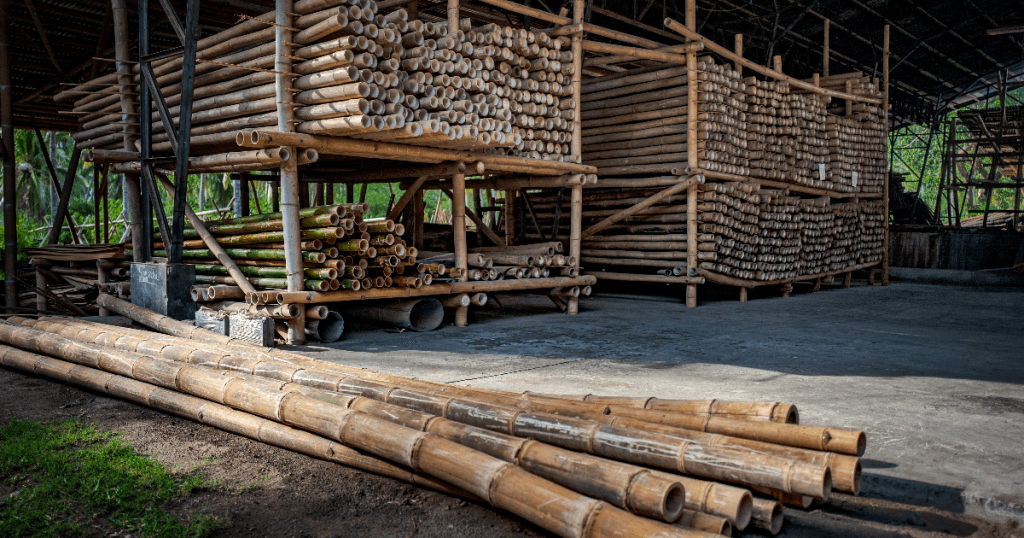
See the best product: Bamboo poles
Conclusion
The economic value of bamboo is vast, spanning multiple industries and offering environmental benefits that contribute to sustainable development. From construction and furniture to food and handicrafts, bamboo represents a resource with the potential to transform global markets and support green economic growth.
As demand for sustainable products grows and governments implement policies to support bamboo cultivation, bamboo’s role in the economy is likely to expand. Beyond immediate economic gains, bamboo offers a path toward a sustainable future, with benefits for local economies, global climate efforts, and responsible consumption.
With ongoing investment, technological development, and policy support, bamboo has the potential to reshape industries and redefine sustainable practices worldwide. Harnessing the economic value of bamboo is not only a profitable endeavor but also a crucial step toward building a greener, more resilient planet.
Tel: +84 338 286 268
Email: [email protected]
Facebook: Bamboo Supplier