
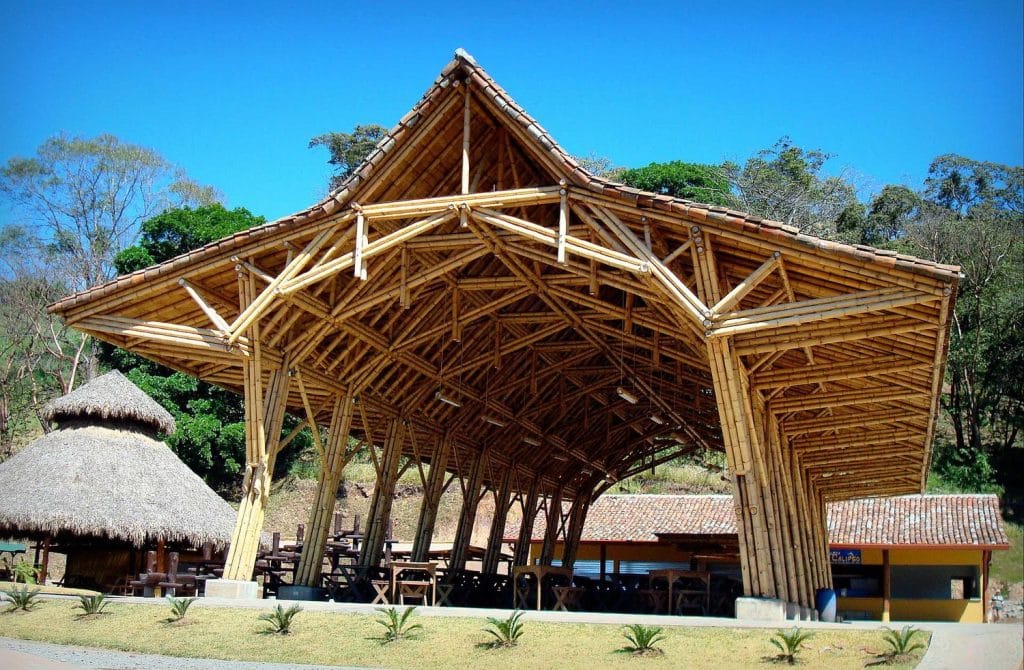
Bamboo is quickly becoming a leading material in theme park construction, thanks to its sustainability, strength, and versatility. As the world shifts toward more eco-conscious solutions, bamboo offers a unique combination of environmental benefits and technical performance. It’s not just a natural building material but a key innovation, providing both creative design possibilities and practical solutions for modern theme parks. With its rapid growth and minimal environmental impact, bamboo is poised to revolutionize the way we approach sustainable construction in the entertainment industry.
Rethinking Structure: Bamboo as a High-Performance Material
In theme park construction, bamboo is becoming an increasingly popular choice thanks to its remarkable strength and sustainability. One of bamboo’s most impressive features is its tensile strength, which can actually match or even exceed that of steel in certain cases. This makes bamboo an ideal material for large, high-stress structures commonly found in theme park construction, such as suspension bridges or large roof trusses. Bamboo’s ability to withstand these forces without breaking or deforming ensures that it can handle the heavy loads typical in theme park structures.
Another important property is bamboo’s compressive strength, or its ability to bear weight under pressure. Bamboo’s compressive strength makes it an excellent choice for supporting heavy loads without warping or losing integrity, which is essential for major structural elements like columns and large beams in theme park construction. Whether used for supporting a large arch or a towering structure, bamboo offers reliable support for the substantial forces these elements face.
To maximize bamboo’s potential in theme park construction, modern treatment technologies have been developed to enhance its durability and versatility. One key process is carbonization, which involves heating bamboo in low-oxygen conditions. This technique not only helps to reduce bamboo’s moisture content but also improves its resistance to pests, mold, and decay. As a result, bamboo becomes much more durable and well-suited for the harsh outdoor environments typical in theme park settings.

In addition to carbonization, lamination is another advanced technique that boosts bamboo’s strength. By bonding individual bamboo strips together, laminated bamboo forms large, robust panels that are stronger and more stable. These laminated panels are highly effective in theme park construction, as they can be used for large structural elements, like beams or decorative features, ensuring that the material remains reliable and safe for years to come.
Moreover, the use of CNC (computer numerical control) technology is revolutionizing how bamboo is used in theme park construction. CNC machines allow for precise cutting and shaping, which means bamboo can be molded into intricate, customized designs with high accuracy. This is particularly useful for creating complex, detailed features in theme parks, such as decorative arches, sculptural elements, or curved beams. By using CNC, bamboo can be crafted to meet the exact needs of the project while reducing waste and optimizing efficiency.
With its exceptional strength, modern treatment techniques, and precise manufacturing capabilities, bamboo is proving itself to be a high-performance material in theme park construction. From large-scale structural components to detailed design features, bamboo offers both the durability and creativity that today’s theme parks require, making it an ideal choice for both sustainable and aesthetically unique park designs.
Cost Efficiency and Scalability of Bamboo in Theme Parks
When it comes to theme park construction, one of the most exciting advantages of using bamboo is its cost efficiency. Bamboo is significantly more affordable compared to traditional materials like steel or concrete, making it a fantastic choice for large-scale projects. Whether it’s for constructing large pavilions, intricate bridges, or decorative elements, bamboo offers a budget-friendly alternative without compromising on strength or aesthetics. This lower cost can make a huge difference in the overall budget of theme park construction, allowing designers to allocate resources to other creative and essential parts of the park.
Not only is bamboo cheaper, but it also has a higher efficiency in terms of performance. Thanks to its rapid growth and natural properties, bamboo reduces the need for excessive material processing. This helps minimize waste during construction and ensures that fewer resources are used, making it a sustainable choice for theme park construction. Plus, with bamboo’s high strength-to-weight ratio, fewer materials are required to achieve the same results as heavier, more costly materials like steel or concrete. This efficiency can lead to significant savings over the long term, which is especially important for large-scale theme park projects.
Another great advantage of bamboo is its scalability. Bamboo is one of the most renewable and abundant materials on the planet. It grows incredibly fast, meaning that it can be harvested quickly and replenished easily. This makes bamboo an ideal material for large-scale theme park construction, where a consistent and reliable supply of materials is essential. The ability to produce bamboo in bulk ensures that construction projects can stay on schedule without worrying about material shortages or delays.
Additionally, bamboo’s flexibility in production means that it can be easily adapted for various design needs. Whether it’s for creating large structural beams or decorative elements, bamboo can be scaled up or down to suit any part of the park’s design. This makes it a highly versatile material, able to meet the diverse demands of theme park construction while keeping costs low.
With its affordability, efficiency, and scalability, bamboo is quickly becoming a game-changer in the world of theme park construction, offering an eco-friendly solution that fits both small and large projects.
Unlocking Bamboo’s Untapped Potential in Theme Parks
Bamboo is no longer just a sustainable alternative in theme park construction—it’s a material with extraordinary potential to redefine the way we think about design and visitor engagement. Let’s take a closer look at how bamboo can unlock new possibilities in theme park construction, creating a more dynamic and immersive experience for everyone.
Dynamic Design: Shaping the Future of Theme Park Structures
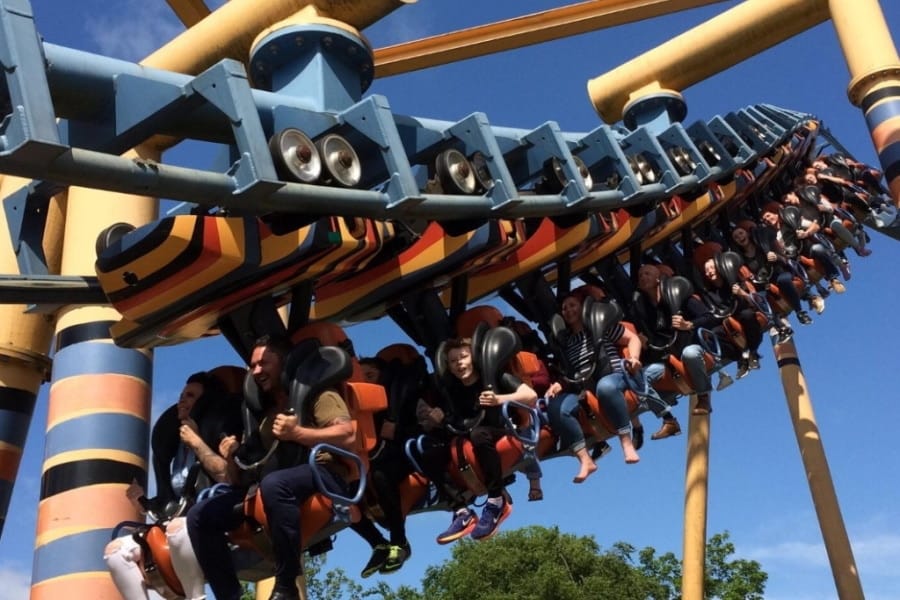
One of the most exciting aspects of bamboo in theme park construction is its ability to create dynamic structures that can adapt to changing environments or needs. Imagine a rotating bamboo archway that shifts its position as visitors walk through, or a retractable bamboo canopy that opens up during the day to provide shade, and closes at night to create a different ambiance. Bamboo’s natural flexibility and lightweight properties make it an ideal material for these kinds of transforming designs, where the structures themselves evolve, offering visitors a fresh experience every time they return to the park.
These dynamic designs not only add an element of surprise and innovation but also enhance the theme park’s overall theme. For example, a bamboo forest that shifts its shape as different events take place, or bamboo walls that move to reveal new spaces, gives the park a sense of living architecture, where the environment feels as though it’s interacting with the visitors in real time. Such features make theme park construction more than just the creation of static spaces—they become part of the story, part of the magic of the experience.
Interactive Experiences: Play Areas and Thrills in Bamboo
Bamboo isn’t just for structural elements—it’s also perfect for creating interactive play zones that allow visitors to engage with the environment. Picture a bamboo maze where visitors must navigate winding paths, or a bamboo suspension bridge that sways as they walk across, heightening the thrill of exploration. The tactile nature of bamboo makes it an inviting material for these kinds of experiences, providing a connection to nature while also offering the excitement and adventure that theme park guests crave.
For younger visitors, bamboo can be used to create children’s play areas that combine fun and safety. Imagine a bamboo jungle gym, or a bamboo climbing wall that offers a challenging yet safe environment for kids. Bamboo’s natural strength and lightweight properties mean it can be shaped into intricate designs, adding playful textures and forms to these interactive zones. Moreover, bamboo’s ability to be molded and customized using advanced technologies allows for the creation of unique, exciting features that give each park a distinctive identity.
Blending Technology and Bamboo: A New Realm of Immersive Experiences
One of the most exciting ways bamboo can elevate the theme park construction experience is by merging the physical and digital worlds. Bamboo structures can be enhanced through interactive lighting or integrated with virtual reality (VR), creating an entirely new dimension of experience for visitors. Imagine a bamboo installation that reacts to the movement of guests, lighting up in different colors as they approach, or a bamboo tunnel where visitors wear VR headsets and enter a digital world that transforms the physical space into a fantastical environment. These kinds of technological integrations not only heighten the park’s appeal but also make it more immersive and memorable for visitors.
Bamboo’s unique properties make it the perfect material to combine with digital technology in theme park construction. The flexibility and lightness of bamboo make it easy to adapt for interactive light shows, projection mapping, or even sound-triggered installations. This fusion of natural and digital elements can completely transform how visitors interact with the space, ensuring that the experience is not only visually captivating but also deeply engaging on an emotional level.
As we explore the untapped potential of bamboo, it’s clear that its role in theme park construction goes far beyond simple building materials. With its dynamic, adaptable properties, bamboo offers endless possibilities for creating unique, engaging experiences that are both environmentally friendly and cutting-edge. Whether used for innovative designs, interactive experiences, or high-tech enhancements, bamboo is paving the way for a new generation of theme parks that are more sustainable, exciting, and connected to nature than ever before.
Innovating Theme Park Design with Bamboo
Bamboo is rapidly becoming one of the most innovative materials in theme park construction, thanks to its unique properties and aesthetic appeal. From its ability to create multidimensional spaces to its seamless integration with nature, bamboo offers designers the flexibility to push the boundaries of creative, sustainable, and functional designs that are perfect for modern theme parks.
Creating Unique, Multi-Dimensional Spaces
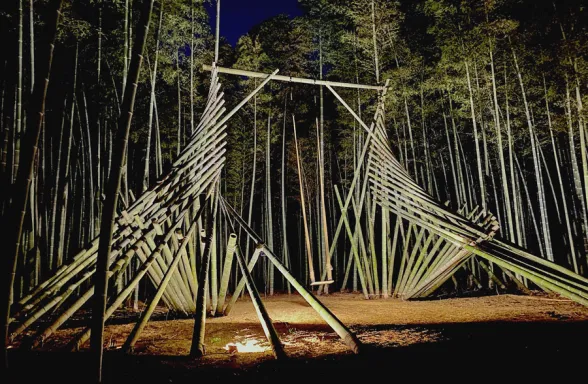
One of the most exciting possibilities bamboo offers for theme park construction is its ability to form bold, organic shapes that defy traditional architecture. Imagine stepping into a park where bamboo arches soar overhead, creating a grand, dynamic entryway that feels both natural and awe-inspiring. These large, curved bamboo structures are not just visually stunning—they also create a sense of openness and flow, inviting visitors to explore and enjoy the park in a way that feels different from traditional, rigid structures.
For instance, a bamboo spiral tower or a bamboo canopy walkway can transform an ordinary attraction into something extraordinary. These twisting, upward-reaching designs allow visitors to move through spaces in new and exciting ways, offering immersive experiences as they walk through open bamboo tunnels or beneath intricate bamboo canopies. The flexibility of bamboo as a building material allows for architectural experimentation, enabling designers to create structures that seem to evolve with the environment. This quality is especially useful for theme park construction that aims to provide a dynamic, ever-changing experience to visitors, with spaces that feel alive and engaging.
Bamboo also offers endless design possibilities. Whether building structures with flowing curves, sharp geometric angles, or nature-inspired forms, bamboo can adapt to any thematic style. This adaptability means that theme park construction can seamlessly transition between themes—from a lush tropical jungle to a sleek, futuristic cityscape—while keeping the materials consistent and sustainable throughout the entire park.
Connecting Ecosystems with Bamboo
Another way bamboo enhances theme park construction is by providing a natural, fluid connection between different areas of the park. Rather than using traditional barriers, bamboo walkways or bamboo bridges can weave through the park, connecting distinct zones like the rest areas, play zones, and visitor attractions. These bamboo paths create a natural flow, guiding visitors through the park while maintaining a sense of harmony with the surrounding environment.
Using bamboo to define the borders between different zones within the park also encourages a more immersive experience. For example, visitors can walk through bamboo pathways that take them from the recreation area to quieter relaxation zones, or from outdoor attractions to covered pavilions that offer shade and respite. Bamboo helps to soften the transition between spaces, allowing for a more cohesive theme park experience where visitors can feel connected to both nature and the different areas of the park.
Additionally, bamboo can be strategically used to create shaded areas that offer relief from the sun, or provide natural partitions that create intimate settings without disrupting the flow of the park. This ability to integrate bamboo into a theme park’s ecosystem allows for both visual and functional harmony, ensuring that the park is not only beautiful but also comfortable and efficient.
Reducing Energy Consumption with Bamboo’s Natural Insulation
One of bamboo’s most overlooked advantages in theme park construction is its ability to naturally regulate temperature, which can result in energy savings. Bamboo has exceptional insulating properties, meaning it helps keep the park cool in the hot summer months and warmer in the cooler months, without the need for additional air conditioning or heating. By incorporating bamboo into structures like open pavilions, bamboo domes, and walkways, theme parks can reduce their reliance on energy-intensive systems, lowering their carbon footprint and promoting sustainability.
Bamboo’s insulation qualities can be particularly beneficial in outdoor rest areas or performance spaces, where temperature control is essential for guest comfort. Not only does this reduce operational costs, but it also aligns with eco-conscious design principles, ensuring that the park operates in a way that benefits both visitors and the environment.
The combination of sustainability, energy efficiency, and aesthetic appeal makes bamboo a perfect choice for theme park construction. Its natural properties contribute to both the park’s environmental goals and its overall guest experience, allowing for spaces that are not only innovative but also energy-efficient.
Bamboo’s Role in Achieving Net-Zero Theme Parks
As the world continues to prioritize sustainability, theme park construction has taken a significant turn towards more eco-friendly practices. Bamboo plays a crucial role in helping theme parks reach the ambitious goal of being Net-Zero, where the energy consumed and carbon emissions are fully balanced by the energy generated or stored. Here’s how bamboo contributes to this shift:
Carbon Sequestration: Storing Carbon for a Greener Future
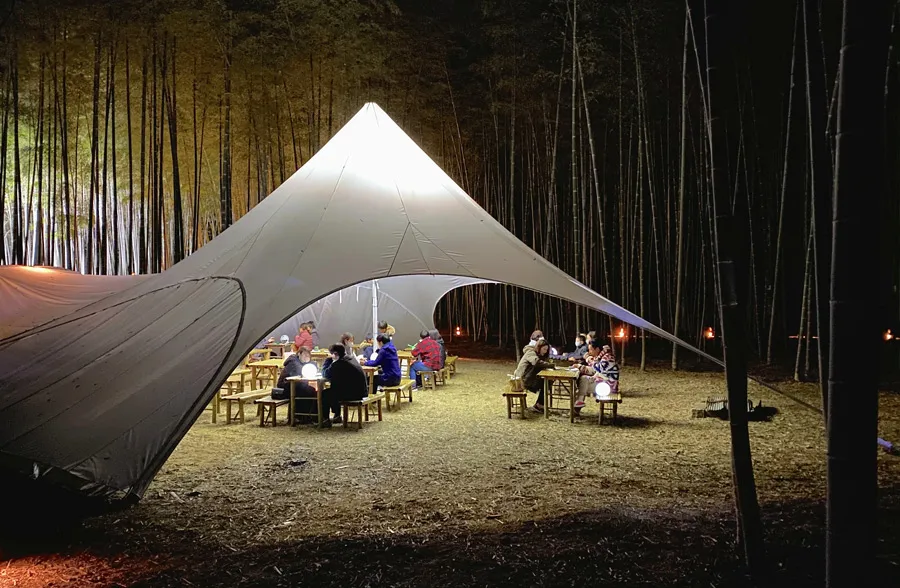
One of bamboo’s most impressive features is its ability to absorb and store carbon at a much higher rate than most other plants. In fact, bamboo can capture up to four times more carbon than trees, making it an excellent ally in the fight against climate change. By integrating bamboo into theme park construction, parks can actively reduce their carbon footprint while also offsetting emissions throughout their entire lifecycle.
Bamboo not only absorbs carbon during its growth but also sequesters it in the material when used in construction. This means that by building with bamboo, theme parks are investing in a carbon sink that will continue to store carbon for decades, even centuries, after the materials are installed. This process plays a key role in reducing the overall carbon emissions of a park and helps move it closer to Net-Zero.
Closed-Loop Building System: From Construction to Recycling
Bamboo’s role in sustainable theme park construction doesn’t stop with its carbon-absorbing abilities. The material also fits seamlessly into closed-loop systems, where materials are reused, recycled, and repurposed to reduce waste. When bamboo structures are no longer in use, they can be recycled or even composted, returning to the earth without leaving behind harmful waste. This circular approach makes bamboo a prime candidate for net-zero construction projects.
In a Net-Zero theme park, bamboo can be utilized in designs that prioritize reusability and recyclability, ensuring that once its initial function is fulfilled, the material can be repurposed for future uses. This creates a continuous cycle that minimizes the need for new raw materials, thereby reducing the park’s environmental impact and improving sustainability over time.
Integrating Renewable Energy: Bamboo and Green Systems
Bamboo’s versatility extends beyond construction, as it can also be integrated with renewable energy systems to further reduce the park’s reliance on non-renewable resources. When combined with solar panels or wind turbines, bamboo structures can help support the park’s Net-Zero goals by generating clean energy to power attractions and other facilities.
For example, solar panels can be mounted on bamboo canopies or structures to harness sunlight, while wind turbines can be positioned near bamboo pavilions or walkways to capture wind energy. The marriage of bamboo with these renewable energy sources creates a harmonious balance between sustainable architecture and energy generation, ensuring that the park becomes as self-sufficient as possible.
By focusing on carbon sequestration, implementing a closed-loop building system, and integrating renewable energy, bamboo proves to be an invaluable asset in the pursuit of Net-Zero theme parks. This approach not only meets environmental goals but also sets an example for the future of theme park construction—one that is deeply rooted in sustainability, energy efficiency, and environmental responsibility.
The Future of Bamboo in Next-Generation Theme Parks
As sustainability becomes an increasingly important focus in design, bamboo in theme park construction is emerging as a key player in the creation of eco-friendly, innovative attractions. The future of bamboo in theme park construction holds enormous potential, transforming not only how parks are built but also how visitors experience them. With its unique qualities and vast applications, bamboo is poised to be at the forefront of next-generation theme parks.
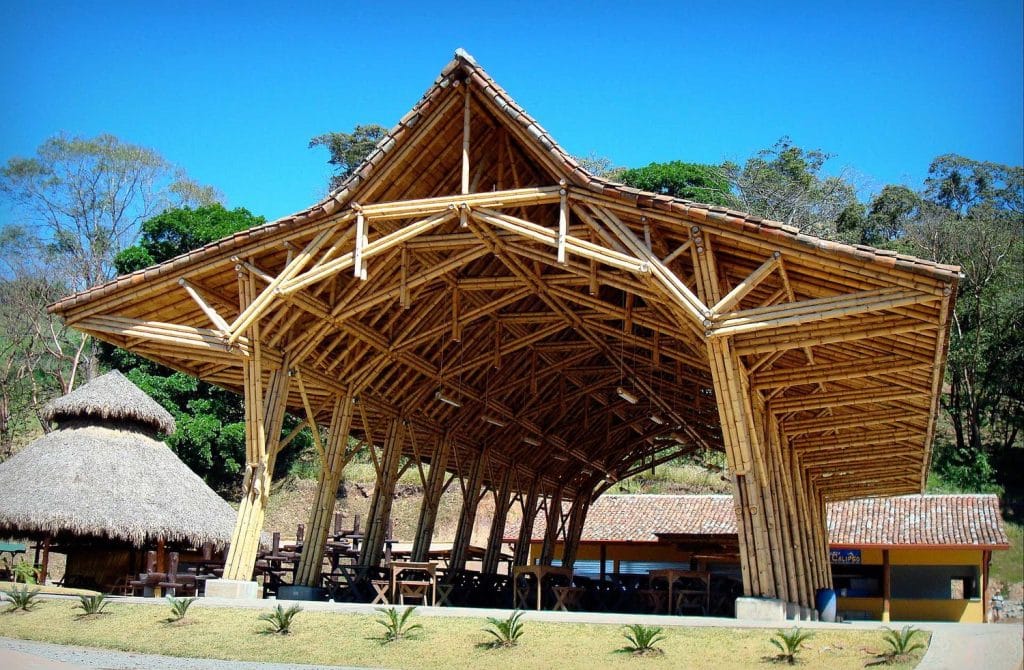
Global Trends: Bamboo’s Growing Role in Modern Design
In recent years, bamboo in theme park construction has become more than just a trend; it’s fast becoming a mainstay in sustainable design worldwide. As more and more theme parks look to reduce their environmental impact, bamboo offers an ideal solution due to its natural abundance, low carbon footprint, and impressive structural properties. Unlike traditional materials like steel or concrete, bamboo grows rapidly and is incredibly renewable, making it a fantastic choice for green building initiatives in theme parks.
But bamboo is not only practical; it’s also highly aesthetic. Its smooth texture and natural warmth create visually stunning structures that feel welcoming and harmonize beautifully with nature. Imagine bamboo bridges that span over lush landscapes, graceful bamboo pavilions where visitors can relax, and even towering bamboo sculptures that serve as landmarks within the park. As bamboo becomes more recognized for its versatility, we can expect it to be a central material in the design of eco-conscious theme parks all over the world.
Breakthroughs in Entertainment Architecture: Bamboo’s Role in Iconic Designs
The future of bamboo in theme park construction is not just about creating sustainable buildings, but also about designing truly iconic and groundbreaking attractions. Bamboo’s incredible flexibility and strength make it a perfect material for some of the most innovative architectural features in theme parks. From bamboo roller coasters that wind gracefully through the landscape to dynamic, bamboo-framed rides that offer both style and substance, the possibilities are endless.
One exciting development is bamboo’s role in creating interactive play spaces within parks. For example, imagine a bamboo maze where visitors can explore and find surprises at every corner. Or a bamboo climbing wall that challenges both children and adults alike. These structures not only encourage physical activity but also provide a connection to nature, allowing visitors to experience the tactile beauty of bamboo in a hands-on way.
But bamboo’s application in theme park construction goes far beyond physical structures. As digital technologies continue to advance, we may see bamboo being integrated into interactive experiences that blend the physical with the digital. For example, imagine a bamboo-themed area where augmented reality (AR) or virtual reality (VR) elements bring the space to life, creating a fully immersive environment. This seamless blend of the organic and the digital would not only enhance the theme park experience but also highlight the versatility of bamboo as a building material.
The Impact of Bamboo on Sustainable Theme Park Development
The integration of bamboo in theme park construction aligns perfectly with the growing trend of designing net-zero and carbon-neutral parks. Bamboo is naturally carbon-negative, meaning it absorbs more carbon dioxide than it releases throughout its life cycle. This makes it an invaluable material in reducing the overall carbon footprint of a theme park.
Furthermore, bamboo’s role in sustainability extends beyond just being a building material. Parks that use bamboo as a primary construction material can implement a closed-loop system, where bamboo structures are not only built but also recycled at the end of their life cycle. This creates a truly circular economy within the park, where materials are reused, repurposed, and kept out of landfills.
As the push for sustainable, green architecture intensifies, bamboo in theme park construction will play an even larger role in achieving a net-zero carbon future for the amusement industry. Parks that embrace this eco-friendly material will not only be seen as pioneers in sustainable design but also as leaders in creating memorable, planet-friendly experiences for future generations.
Also read: News in Construction: Is Bamboo the Future?
Conclusion
As we look to the future of theme park construction, it’s clear that bamboo is no longer just an alternative material – it is a game-changer. Offering both sustainability and innovation, bamboo has proven to be a high-performance material that is uniquely suited to creating both eco-friendly and awe-inspiring theme parks. From its natural ability to absorb carbon and promote energy efficiency to its impressive structural properties, bamboo represents the next step in building a greener, more sustainable future for the amusement industry.
Bamboo is more than just a building material; it’s a pioneering architectural solution that allows us to rethink the possibilities of design. Whether used for majestic bamboo structures, interactive play areas, or eco-conscious landscaping, bamboo provides a limitless canvas for creativity while remaining deeply rooted in environmental responsibility. For theme parks, embracing bamboo means embracing a material that is not only functional but also reflects a commitment to preserving our planet for future generations.
At Bamboo Supplier, we are proud to be at the forefront of providing high-quality bamboo products tailored to theme park construction. Our bamboo is sustainably sourced and expertly crafted, ensuring it meets the highest standards of both performance and eco-friendliness. We believe in the power of bamboo to transform spaces, inspire innovation, and make a lasting impact on the world of entertainment and architecture.
Let’s see our product here.
We encourage investors and architects to take the leap and consider bamboo for their next theme park project. By choosing bamboo, you’re not only choosing a material with immense potential for sustainable design, but also contributing to the future of entertainment in a way that is both responsible and visionary. Let’s work together to build a greener, more sustainable world, one bamboo structure at a time.
Tel: +84 338 286 268
Email: [email protected]
Facebook: Bamboo Supplier